Germany’s economy is undergoing significant changes as it grapples with the ongoing effects of the war in Ukraine. Four years after Russia’s invasion of Ukraine in February 2022, the economic landscape has shifted dramatically, prompting policymakers to implement strategies aimed at recovery and resilience.
The war has disrupted key supply chains and energy markets, leading to increased inflation and economic strain across Europe. According to the German Federal Statistical Office, the country experienced a contraction of approximately 0.3% in GDP in 2023, primarily attributed to reduced industrial output and rising energy costs. This downturn marks a stark contrast to the pre-war economic stability Germany enjoyed, highlighting the war’s far-reaching impacts.
Shifts in Energy and Supply Chains
In response to the energy crisis exacerbated by the conflict, Germany has accelerated its transition towards renewable energy sources. The government aims to reduce its dependence on Russian gas, which once accounted for 55% of its energy imports. By investing in wind, solar, and hydrogen technologies, as well as diversifying energy suppliers, Germany is striving for greater energy security.
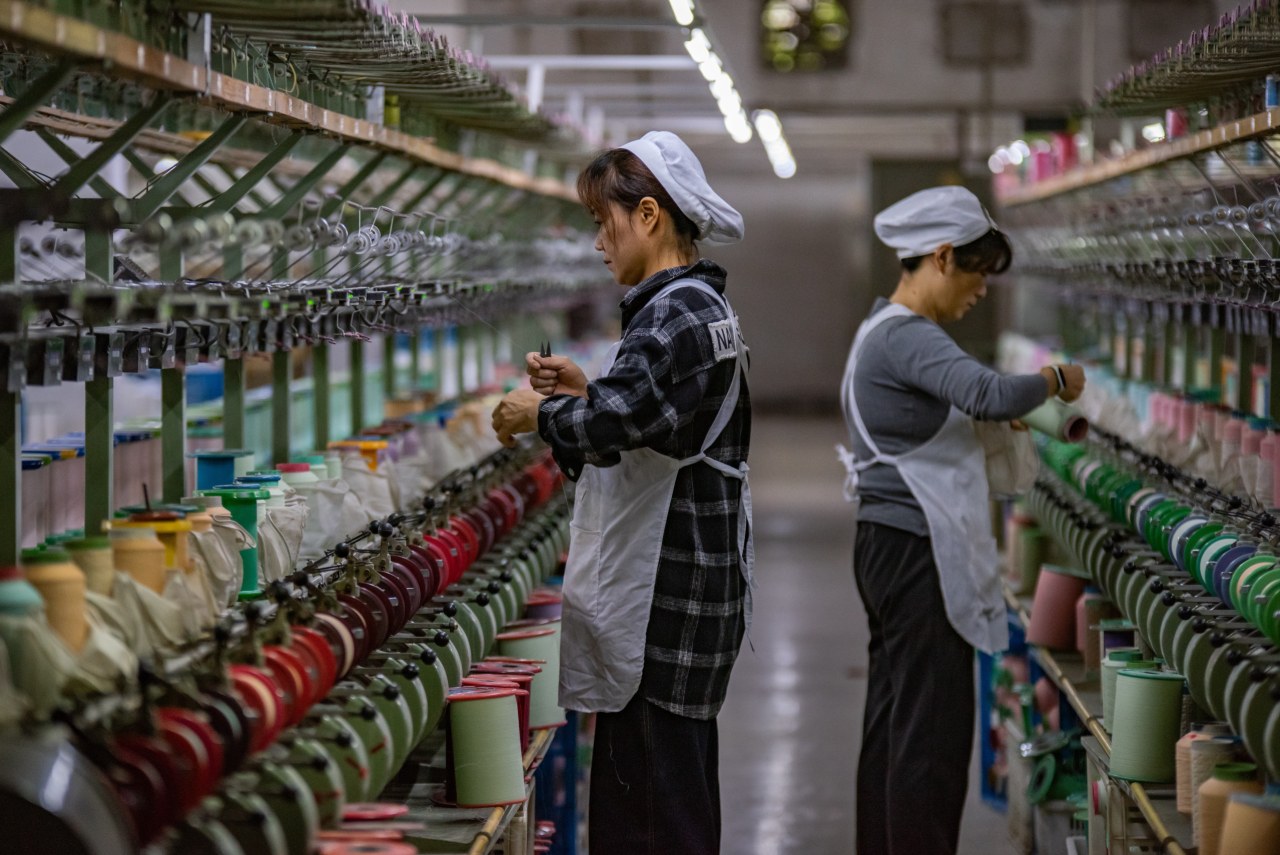
Furthermore, the war has prompted a reassessment of supply chains, particularly in the manufacturing sector. German companies are increasingly sourcing materials and components from within the European Union (EU) to mitigate the risks associated with geopolitical tensions. This pivot not only aims to enhance resilience but also supports the EU’s broader economic goals.
The International Monetary Fund (IMF) has noted that Germany’s economic recovery is closely tied to the stability of the EU. The organization projects a modest growth rate of 1.2% for Germany in 2024, contingent on the resolution of the conflict and the overall economic climate in Europe.
Government Initiatives and Support
To aid recovery, the German government has unveiled several assistance packages aimed at stabilizing affected industries and supporting households facing rising living costs. These initiatives include direct financial support for vulnerable families and incentives for businesses to invest in green technologies and energy efficiency.
In a recent statement, German Chancellor Olaf Scholz emphasized the importance of solidarity and resilience in facing these challenges. He remarked, “We will not allow external crises to undermine our progress. Our commitment to sustainable and inclusive growth remains unwavering.”
As Germany continues to navigate the complexities of its economic landscape, the effects of the Ukraine war remain a central concern. The long-term success of recovery efforts will depend not only on domestic policies but also on the geopolitical landscape and the resilience of the European economy as a whole.
In conclusion, Germany’s journey towards economic recovery is marked by a proactive approach to energy independence and supply chain resilience. By adapting to the realities of a changed world, the nation seeks to emerge stronger from the challenges posed by the ongoing conflict in Ukraine.