Hamas has experienced a notable increase in popularity among Palestinians in the Gaza Strip during the ongoing cease-fire with Israel, even as the group maintains a controversial approach to law enforcement. According to a recent poll conducted by the West Bank-based Palestinian Center for Policy and Survey Research, approximately 51% of Gazans now approve of Hamas’ efforts to restore order and facilitate humanitarian aid distributions, a significant rise from the 39% approval rating recorded just a year ago.
This shift in public sentiment follows a period marked by chaos and rising crime, which many Gazans attribute to a lack of security. A resident of Gaza City, Hazem Srour, expressed the prevailing sentiment: “Even those who oppose Hamas, the idea of security is something people want. It’s because we had a security breakdown with thefts, thuggery, and lawlessness. No one could stop it except Hamas, and that’s why people support them.”
The context of this approval stems from the humanitarian crisis exacerbated by the conflict. Prior to the cease-fire deal brokered in October 2023, over 80% of humanitarian aid entering Gaza was reportedly intercepted by armed groups, according to the UN Office for the Coordination of Humanitarian Affairs (UNOCHA). However, with the re-establishment of Hamas’ armed police to oversee aid deliveries, incidents of theft have plummeted to around 5%.
Public Sentiment and Security Measures
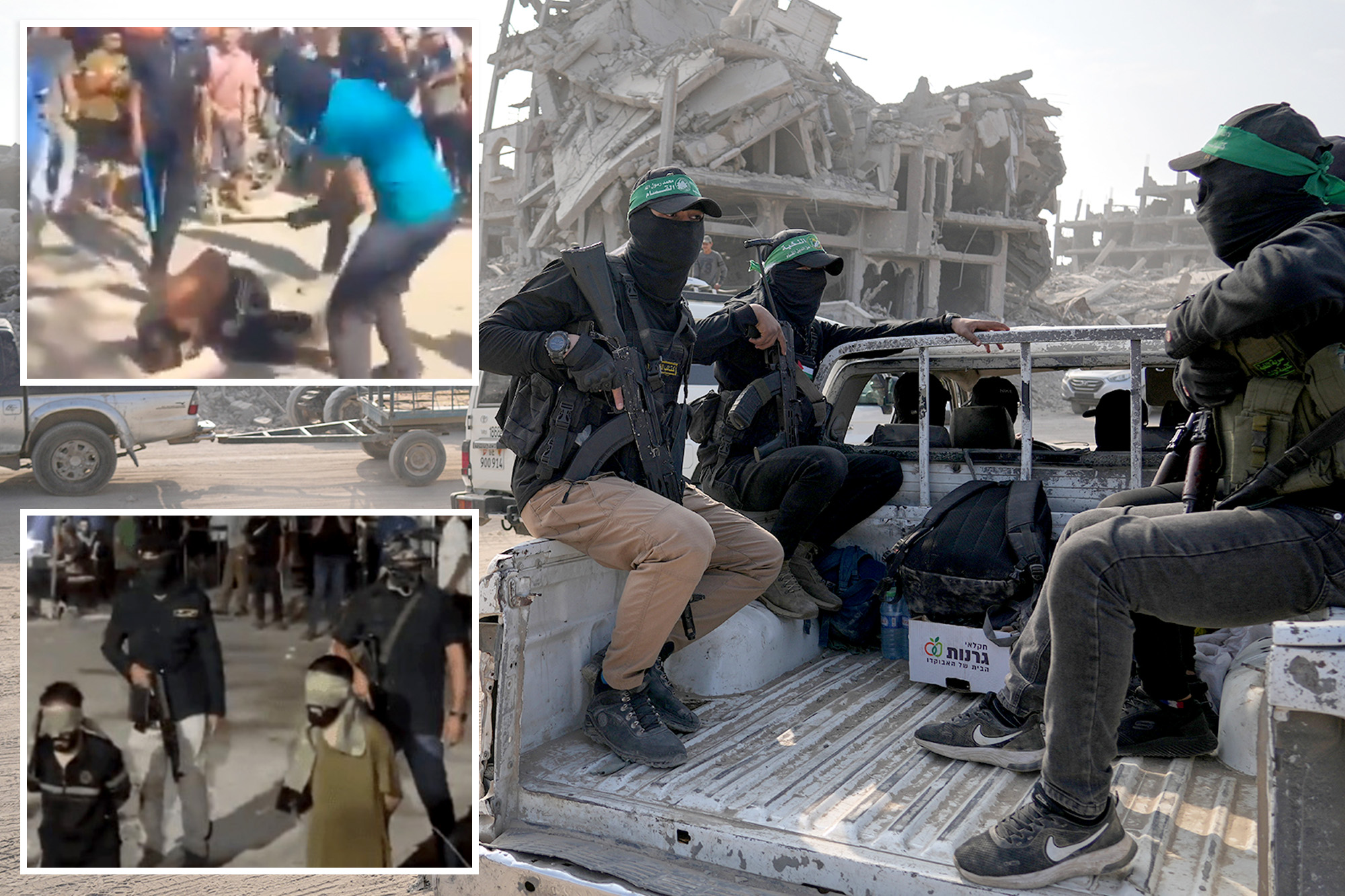
In addition to managing the flow of humanitarian aid, Hamas has deployed its fighters to combat gangs that have exploited the ongoing conflict to intimidate citizens and steal supplies. While the group’s methods have drawn criticism—marked by reports of public beatings and executions of alleged criminals—many Gazans appreciate the newfound security.
Despite ongoing dissatisfaction regarding Hamas’ role in the war that has devastated the region, the majority seem willing to overlook these issues in favor of stability. Khalil Shikaki, the director of the polling center, described the survey results as surprising, especially given the downward trend in Hamas’ popularity prior to this period. He noted, “This war has proven to Gazans and others that Israel has failed to defeat Hamas. Hamas isn’t going to disappear tomorrow. We have to live with that.”
The poll also revealed that 52% of Gazans oppose the introduction of international troops to disarm Hamas. This opposition could pose challenges for US and Israeli efforts aimed at demilitarizing the Gaza Strip, particularly as Hamas insists it will not relinquish its weapons until a clear path toward Palestinian statehood is established.
As the situation in Gaza continues to evolve, the dynamics of public support for Hamas reflect a complex interplay between the desire for security and the ongoing humanitarian crisis. The cease-fire may have provided a temporary reprieve, but it remains to be seen how these shifting sentiments will influence the region’s future.