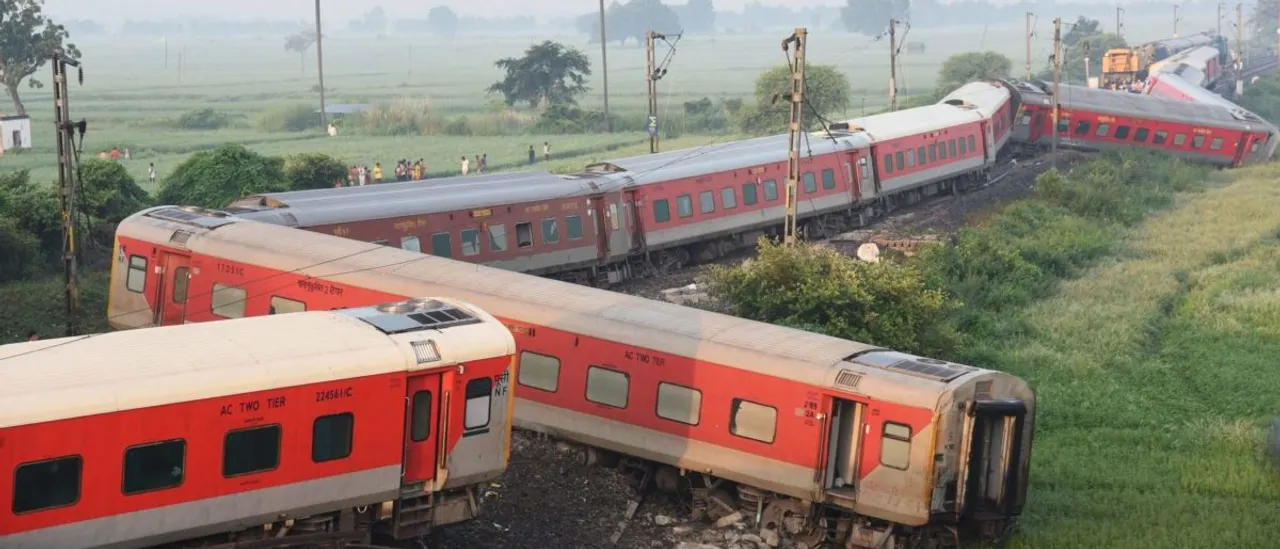
A devastating train collision in Spain on January 19, 2026, has resulted in at least 39 fatalities and left over 122 injured. The incident occurred near Adamuz at approximately 19:45 local time, when the rear end of a high-speed train traveling from Malaga to Madrid derailed and collided with an incoming train from Madrid to Huelva, according to reports from The Associated Press (AP).
The Spanish rail operator, Administrador de Infraestructuras Ferroviarias (ADIF), confirmed that the impact primarily affected the head of the second train, which was carrying about 200 passengers. The force of the collision caused several carriages of the second train to fall from the tracks, tumbling down a 4-meter slope. Recovery efforts revealed that some bodies were located hundreds of meters from the crash site.
In addition to the fatalities, emergency services reported that as of Monday, 48 individuals remain hospitalized, with 12 in the intensive care unit. The Spanish Transport Minister, Óscar Puente, acknowledged the challenges faced by rescue teams in the aftermath of the crash, stating that the number of casualties is “not final.” He expressed his gratitude for the rescuers’ efforts and extended condolences to the victims and their families.
A survivor, identified only as Ana, recounted the harrowing experience of the collision. “Everything went dark,” she said. “The train tipped to one side… then everything went dark, and all I heard were screams.” Ana, who was traveling with her sister, described the chaos as passengers helped each other escape the wreckage. Firefighters later rescued her sister, and both were transported to a local hospital.
This collision marks the highest death toll from a train accident in Spain since a catastrophic derailment in Santiago de Compostela in 2013 that resulted in 80 deaths. Following the incident, Prime Minister Pedro Sánchez announced three days of national mourning to honor the victims.
Concerns regarding the safety of Spain’s high-speed rail system have been raised in light of previous warnings about “severe wear and tear” on tracks, as reported by The Independent. As investigations continue, authorities will likely face scrutiny regarding maintenance protocols and safety measures in place across the rail network.
The tragedy has shocked the nation, with many expressing their sorrow and support for those affected. As recovery operations progress, the focus will shift to understanding the factors that contributed to this tragic event and ensuring the safety of rail travel in the future.