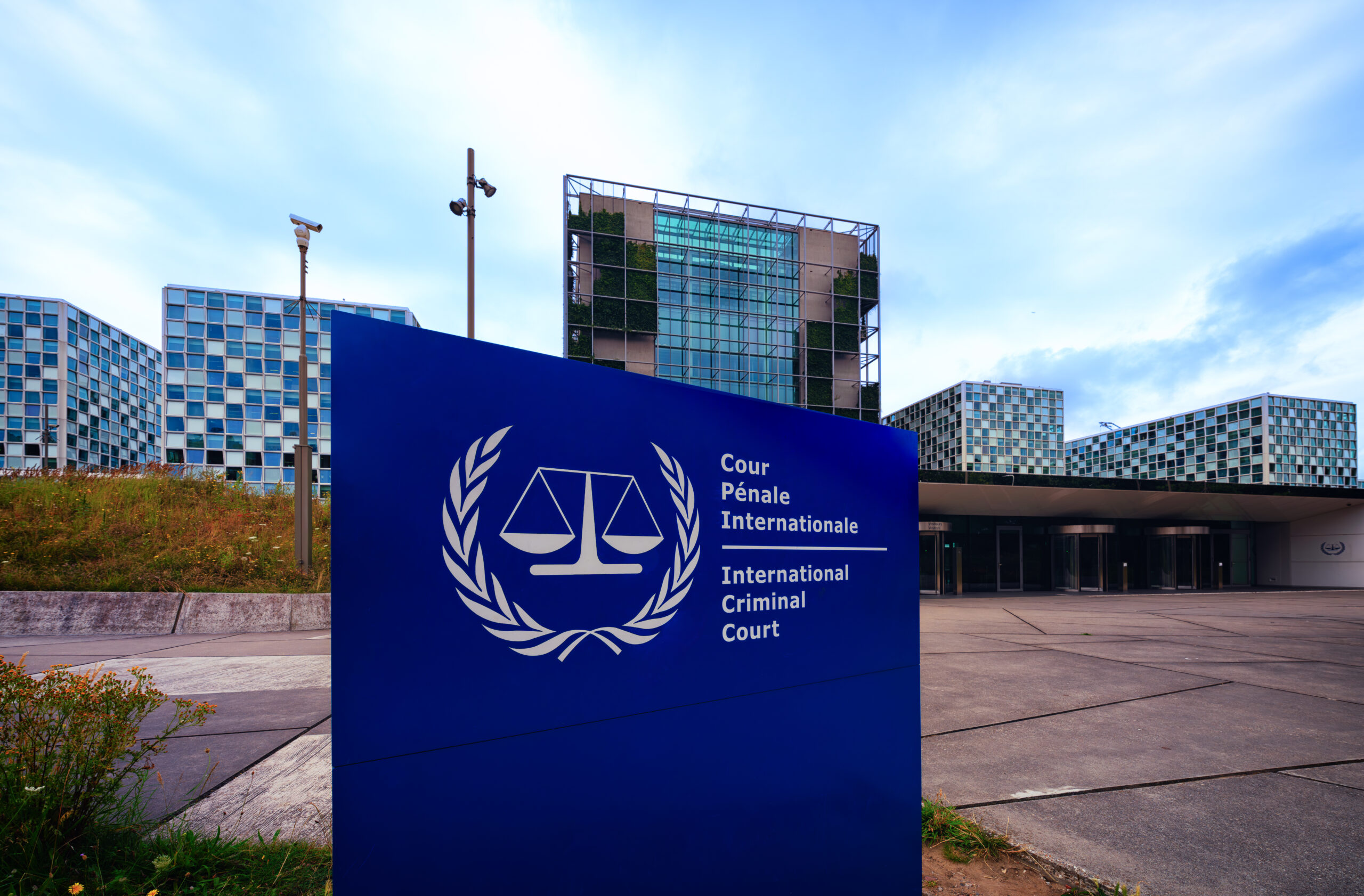
Human Rights Watch (HRW) has urged member states of the International Criminal Court (ICC) to take decisive action to protect the court and combat impunity for international crimes. This call came during the Assembly of States Parties (ASP) meeting, where concerns were raised about escalating threats, sanctions, and attacks aimed at undermining the ICC’s mandate.
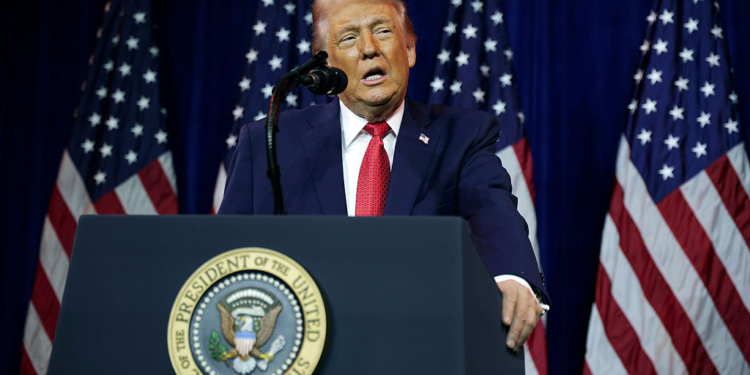
In a press release, HRW emphasized that several States Parties have actively sought to weaken the ICC’s role as a court of last resort. A notable example came when former President Donald Trump issued an executive order in February 2025, which authorized asset freezes, entry bans, and sanctions against ICC officials and individuals supporting the court’s work. This executive order has led to sanctions being imposed on various ICC officials, a United Nations expert, and Palestinian human rights organizations.
Challenges to the ICC’s Functionality
According to HRW, the sanctions imposed by the United States could significantly hinder the ICC’s objectives, as financial institutions often comply with U.S. sanctions. This compliance risks depriving the court of necessary funding and access to essential banking services. In response to these challenges, HRW has suggested that the European Union utilize its blocking statute to counteract the impact of U.S. sanctions. This statute is designed to prevent the extra-territorial application of laws that are seen as contrary to international law.
Another pressing issue raised by HRW is the failure of States Parties to arrest and surrender individuals against whom the ICC has issued arrest warrants. For instance, Hungary did not apprehend Israeli Prime Minister Benjamin Netanyahu during his visit to Budapest in April 2025. Following this incident, Hungary formally withdrew from the ICC on June 2, 2025, with the withdrawal set to take effect on June 2, 2026. Additionally, three other States Parties—Burkina Faso, Niger, and Mali—announced their intentions to withdraw in September 2025.
Furthermore, the Russian government, under the leadership of Vladimir Putin, issued arrest warrants in 2023 and 2024 against ICC officials in retaliation for warrants issued against Putin and Russian Foreign Minister Sergey Lavrov. The ICC also experienced a second significant cyber attack in June, underscoring the vulnerabilities it faces.
Achievements Amidst Adversity
Despite these challenges, HRW noted that the ICC has continued to achieve meaningful outcomes in international justice. In March 2025, the Philippines arrested and surrendered former President Rodrigo Duterte, who is facing charges of crimes against humanity related to his administration’s controversial “war on drugs.” Moreover, the ICC has delivered landmark judgments concerning the situations in the Central African Republic and Darfur. On July 24, 2025, the court convicted two senior leaders of the Anti-Balaka movement for multiple war crimes and crimes against humanity committed in Bangui and surrounding areas. On October 6, 2025, the ICC also found Ali Muhammad Ali Abd-Al-Rahman, a former leader of the “Janjaweed” militia, guilty of 27 counts of crimes against humanity and war crimes in Darfur.
The upcoming ASP, scheduled from December 1 to 6, 2025, in The Hague, Netherlands, will primarily address the issue of non-compliance among ICC States Parties. Liz Evenson, HRW’s International Justice Director, emphasized that the ICC remains a vital institution for thousands of victims seeking justice, stating, “The ICC remains the court of last resort for thousands of victims and their families who have nowhere else to turn.”
Established in 2002, the ICC has jurisdiction over individuals suspected of committing international crimes as defined by the Rome Statute, which includes war crimes, crimes against humanity, and genocide. As the ICC navigates these complex challenges, the commitment of its member states will be crucial in ensuring its ongoing functionality and effectiveness in the pursuit of justice.