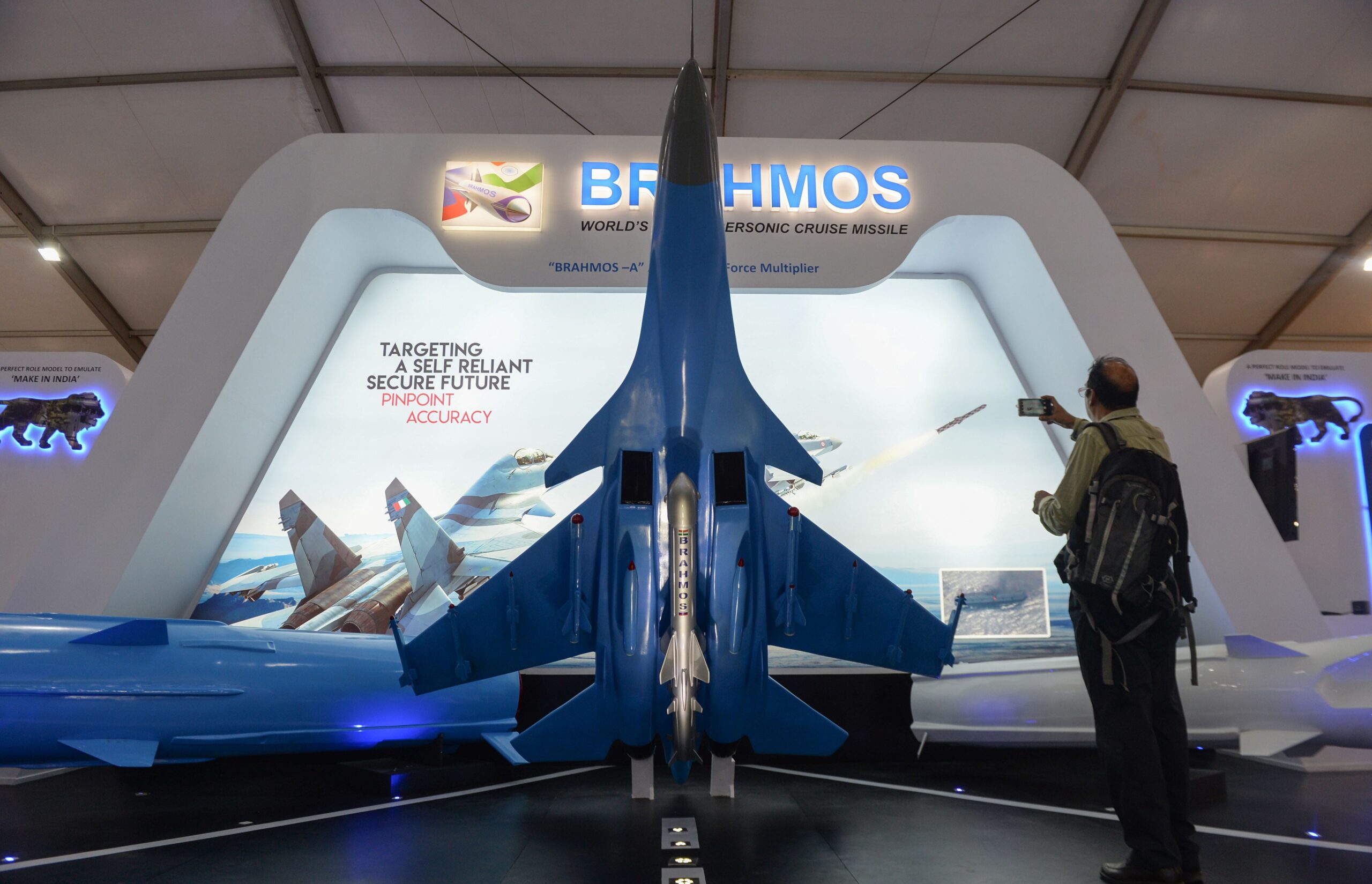
India is enhancing its military relationships with Southeast Asian nations, marking a significant shift in the regional security landscape. The country is engaging in defense agreements to supply advanced weapons systems, including the BrahMos supersonic cruise missiles, to nations like Indonesia, the Philippines, and Vietnam. This move comes as several Southeast Asian countries navigate maritime disputes with China in the South China Sea.
Analysts suggest that India’s proactive approach is indicative of its growing strategic role in the Indo-Pacific. The cooperation aligns with broader efforts by the United States and its allies to counterbalance China’s influence in the region. Chintamani Mahapatra, founder of the Kalinga Institute of Indo-Pacific Studies, noted that while China remains an important economic partner for many Southeast Asian nations, it also presents a significant security challenge.
In October 2023, Indian Defense Minister Rajnath Singh met with his Indonesian counterpart, Sjafrie Sjamsoeddin, to discuss the potential sale of BrahMos missiles to Jakarta. If finalized, this agreement would position Indonesia as the second country to acquire these missiles, which are developed through a joint venture with Russia. Analysts believe this deal will not enhance Russia’s status as an arms supplier in the region, particularly given the ongoing sanctions against it following the conflict in Ukraine.
India has been delivering shore-based anti-ship BrahMos missile systems to the Philippines under a $375 million agreement, with ongoing deliveries aimed at bolstering the Philippines’ maritime defense capabilities amid escalating tensions with China. The Philippines has sought to enhance its defensive measures due to frequent confrontations with Chinese vessels in disputed waters.
New Delhi’s partnerships with Southeast Asian countries have evolved into comprehensive strategic partnerships, encompassing defense, economic cooperation, and technological collaboration. India has also been involved in training military personnel from nations such as Vietnam, Singapore, Malaysia, and Thailand, alongside conducting joint military exercises.
The strengthening of military ties is further supported by India’s increasing defense cooperation with the United States. During the ASEAN defense ministers meeting in Malaysia in October 2023, India and the U.S. signed a ten-year defense pact aimed at enhancing collaboration. U.S. Defense Secretary Pete Hegseth emphasized that this partnership is crucial for regional stability and deterrence against potential threats.
This evolving security architecture has integrated India more deeply into the Southeast Asian defense framework. Ivan Lidarev, a visiting research fellow at the National University of Singapore, highlighted that this integration is part of a broader U.S. strategy to strengthen political and security ties among allies in the region, thereby reducing the burden of balancing China.
While the U.S. plays a significant role in fostering these connections, it is crucial to note that India and its Southeast Asian partners are also pursuing their strategic interests independently. The need for these countries to enhance their own deterrent capabilities is underscored by the current geopolitical uncertainties, particularly regarding U.S. strategies in the Indo-Pacific.
As Southeast Asian nations seek to diversify their defense partnerships, India’s military offerings present an appealing alternative. Countries in the region are increasingly reluctant to depend solely on the U.S. for security, especially given the complexities involved in arms transactions with major powers like Russia and China.
General Romeo Brawner Jr., Chief of Staff of the Armed Forces of the Philippines, stated in August that Manila intends to acquire more military equipment from India, emphasizing factors such as affordability and quality. The Philippine News Agency reported that Indian arms sales are often free from the strings that typically accompany transactions with U.S. or Chinese suppliers, making it easier for Southeast Asian nations to engage with India.
Mahapatra noted that India’s ambition to emerge as a defense exporter aligns well with the needs of Southeast Asian countries, creating a mutually beneficial scenario. As tensions continue to rise in the Indo-Pacific, India’s role in enhancing regional security through military partnerships is likely to expand, reflecting a broader shift towards a multipolar defense landscape.