Iranian authorities project a sense of calm in the capital, Tehran, as the country experiences a significant digital blackout amid ongoing protests. As of January 16, 2024, the blackout has reached its 10th day, restricting access to information for most citizens. According to internet monitoring organization NetBlocks, there was a notable return of some online services, including Google, suggesting limited access has been restored.
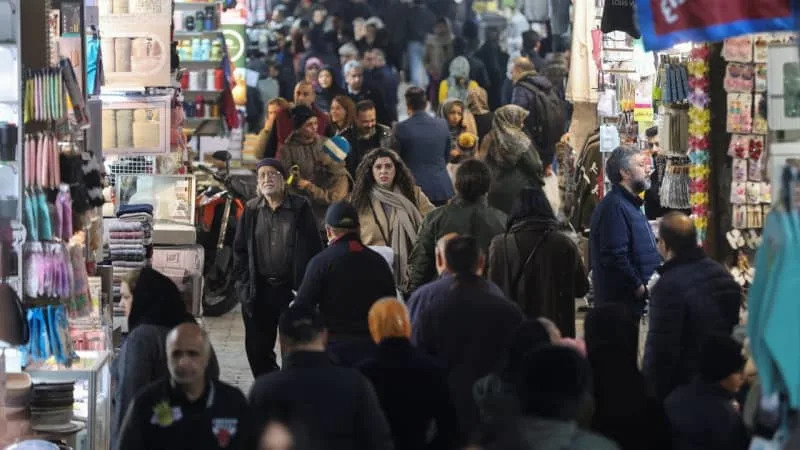
State-affiliated media outlets, including the Islamic Republic of Iran Broadcasting (IRIB) and the Russian-linked Viory, broadcasted reports claiming that Tehran has “calmed down” following weeks of unrest. These reports featured footage of families skiing, with a narrator stating, “People are enjoying the beautiful snowfall.” However, independent verification of these broadcasts by the Jerusalem Post has not been achieved.
Despite these portrayals of normalcy, reports indicate that the majority of Iranians remain largely disconnected from the outside world. For over 200 hours, citizens have been deprived of internet access, with only select state-aligned users able to connect using so-called “white SIM cards.” The situation reflects a broader strategy of digital isolation that the Iranian regime has employed in recent years.
Controlled Narratives and Internet Restrictions
In its efforts to depict a calm environment, IRIB announced the reopening of schools and universities on January 16. The broadcaster also stated that the Iranian Judiciary is working to differentiate between individuals misled by the protests and the actual leaders of the unrest, emphasizing that no innocent person should be punished.
While the government asserts that internet access is gradually returning, the information provided by Filterwatch suggests a more concerning trend. The organization, which specializes in monitoring internet censorship in Iran, indicates that the regime’s approach to restrict information may signal a permanent shift towards “absolute digital isolation.” This means that unrestricted access to the internet may not be possible in the near future.
Reports from IRIB claim that new footage is surfacing, portraying protesters as “armed aggressors” during the recent demonstrations. The videos, however, are dated from January 8 and 9, coinciding with the onset of the media blackout and allegations of violence against protesters, potentially resulting in thousands of casualties.
International Reactions and Human Impact
The portrayal of calm in Tehran contrasts sharply with the realities faced by many Iranians. The digital blackout, which has stifled communication and access to information, raises concerns about human rights and freedom of expression in the country. The ongoing protests are a response to various socio-economic issues, including rising inflation and government repression.
International observers continue to monitor the situation closely, acknowledging the implications for civil liberties within Iran. The tension between state media narratives and the experiences of ordinary citizens underscores the challenges faced by those seeking to express dissent in a heavily controlled environment. As the regime works to maintain its image, the true impact of the protests and the resulting crackdown remains difficult to ascertain for both the Iranian public and the international community.