Tensions escalated in the Middle East as Iran’s foreign minister, Abbas Araghchi, warned that the nation is ready to respond decisively to any military aggression from the United States. This statement comes amid heightened threats from the U.S. to potentially launch an attack “with speed and violence” against the Islamic Republic. Araghchi emphasized that Iranian armed forces are on alert, prepared to deliver a powerful countermeasure if necessary.
The backdrop to this situation includes the ongoing unrest within Iran, where anti-regime protests have led to a violent government crackdown. According to the International Crisis Group, the regime is in a precarious position, which could drive it to act more recklessly. Ali Vaez, the group’s Iran project director, stated, “The threat of a massive Iranian retaliation should be taken seriously. It’s coming at a time that the regime is basically fighting for its life.”
U.S. President Donald Trump has hinted at the possibility of imminent military strikes unless Iran agrees to abandon its nuclear ambitions. Earlier in March 2024, Trump had expressed his desire to support civilians amid the unrest but later indicated he might refrain from direct intervention. Human rights organizations have reported a rising death toll, suggesting it could be in the thousands due to the violent repression of protests.
As diplomatic efforts falter, key Gulf allies are actively seeking ways to de-escalate tensions. In a recent statement, Saudi Crown Prince Mohammed bin Salman asserted that Riyadh would not permit the U.S. to utilize its airspace or territory for military operations against Iran.
U.S. officials have outlined three principal demands for Iran: a permanent halt to uranium enrichment, limitations on its ballistic missile arsenal, and an end to support for militant groups in the region. However, there are no indications that Tehran is willing to comply with these conditions.
During a congressional hearing, U.S. Secretary of State Marco Rubio underscored the necessity of military presence in the region to safeguard American troops. “We have 30,000 to 40,000 American troops stationed across eight or nine facilities in that region,” he stated, highlighting the threats posed by Iranian UAVs and short-range missiles.
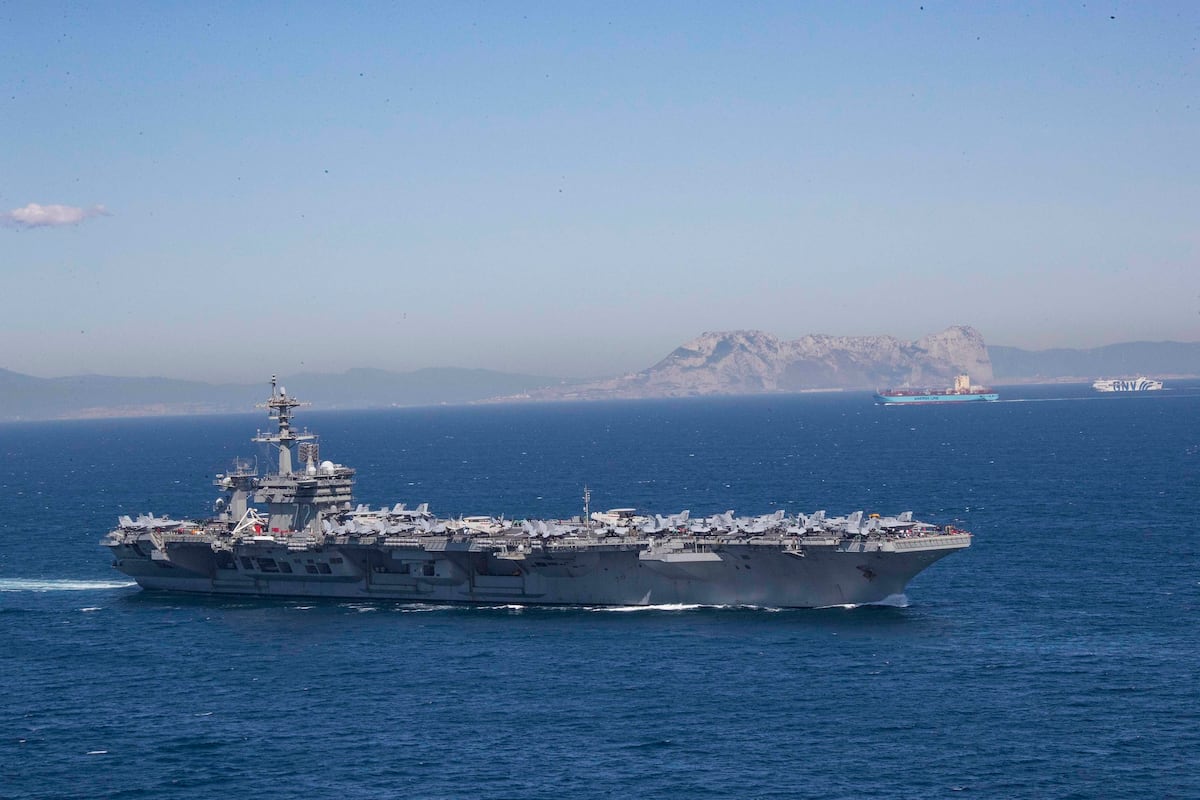
The focal point of the U.S. military buildup is the USS Abraham Lincoln, an aircraft carrier that recently entered the U.S. Central Command’s area of responsibility. Additional military assets, including warships and F-15E Strike Eagle fighter jets, have also been deployed to the region.
While the U.S. enhances its military posture, Iran is reportedly augmenting its naval and missile capabilities aimed at targeting U.S. vessels. Vaez noted, “All of these in the south [of Iran] have been developed precisely to target U.S. warships,” suggesting that Iran’s military readiness could significantly escalate any potential conflict.
As both nations stand firm in their positions, the international community watches closely, concerned about the potential for a military confrontation that could have far-reaching consequences for regional stability and global security.