The Iranian Foreign Minister, Hossein Amir-Abdollahian, recently asserted that armed groups infiltrated protests in Iran, targeting demonstrators indiscriminately. This statement, made during a press briefing on October 12, 2023, has raised significant concerns about the ongoing political climate in the country.
In his remarks, Amir-Abdollahian described these groups as “terrorists” who appeared suddenly, attacked protesters, and then mysteriously disappeared. This claim adds a complex layer to Iran’s already tumultuous political landscape, where protests against the government have been rampant in recent months. The Iranian government has faced widespread allegations of human rights abuses and heavy-handed tactics in response to dissent.
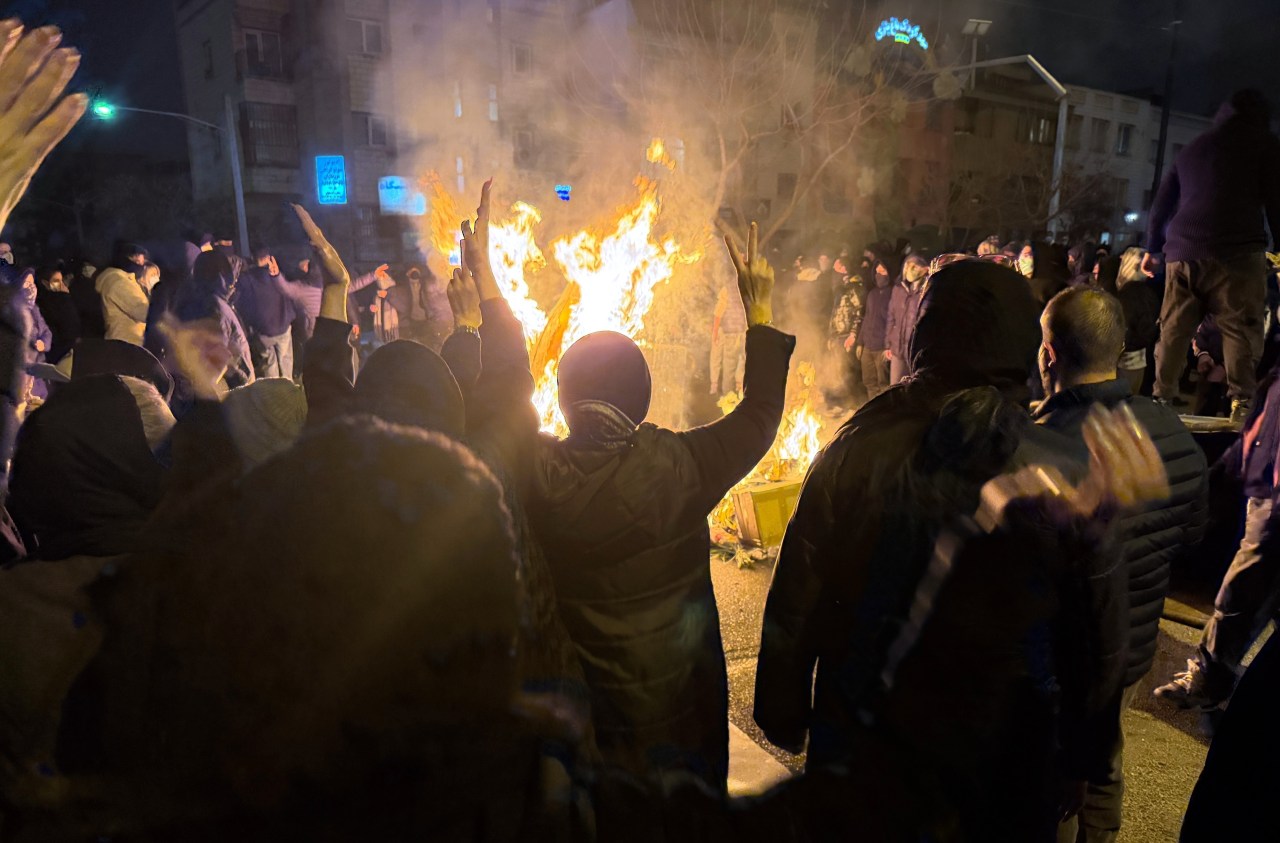
Critics argue that the minister’s narrative lacks substantiation, suggesting that it serves to deflect attention from the government’s responsibility for the violence. Observers note that there have been numerous reports of security forces using lethal force against protesters, leading to a significant number of casualties. In fact, human rights organizations have documented hundreds of deaths in recent protests, many of which occurred during clashes with law enforcement.
While Amir-Abdollahian’s allegations could imply a broader conspiracy against the Iranian state, independent verification of his claims remains elusive. The assertion that armed groups can act with such impunity raises questions about the government’s control over security in the country.
In the absence of concrete evidence, many are left to ponder the implications of these statements on both domestic and international fronts. The international community has been closely monitoring the situation in Iran, with calls for accountability growing louder.
As protests continue across various cities, the focus remains on the Iranian government’s response and the potential for further escalations. The situation underscores the delicate balance between state security and the rights of citizens to peacefully assemble and express dissent.
For now, the narrative surrounding the protests and the government’s actions continues to evolve, with Amir-Abdollahian’s claims adding another layer of complexity to an already fraught situation. The coming weeks may prove critical in determining the future of dissent in Iran and the government’s approach to handling protesters.