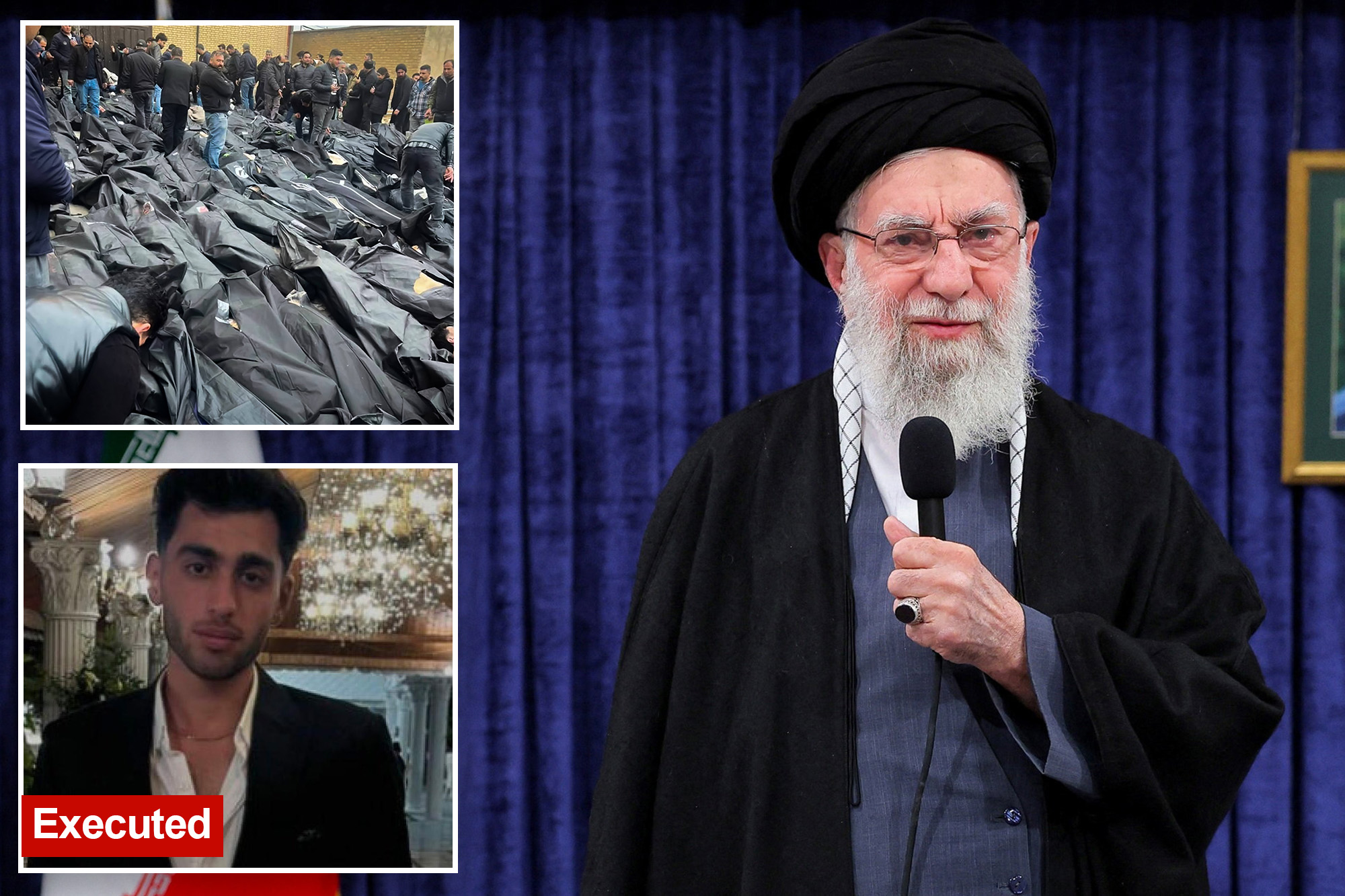
Reports have emerged indicating that the Iranian regime is executing anti-government protesters, including those who are severely injured and receiving treatment in hospitals. Security forces are allegedly conducting raids on medical facilities to locate wounded demonstrators, as the crackdown on dissent intensifies across the country.
Sources have shared disturbing accounts of individuals being murdered while connected to life support systems. “They were in hospitals, with IV lines or breathing tubes attached to them,” one source revealed. “When you look closely, you realize they were shot in the head.” Another source confirmed that such executions occur “every day,” underscoring the brutal reality faced by those opposing the regime.
The situation has escalated dramatically, with more than 207 people executed in the last three weeks, according to the No to Execution Tuesdays campaign. This coalition of political prisoners is highlighting the urgent crisis within Iran’s prison system, where inmates are held under dire conditions. Recent reports indicate that Ali Heydari, a 20-year-old protester detained during the violent crackdown on January 8, is among the latest victims executed by the state.
Human rights advocates warn that hundreds of detainees are at imminent risk of death, with many held without due process or notification to their families. The National Union for Democracy in Iran has also reported that legal and medical professionals assisting protesters are facing retaliation from the regime. “In line with increasing the atmosphere of repression and public intimidation, the executioner regime has proceeded to arrest a number of lawyers, physicians, and medical staff,” the organization stated.
Despite previous assertions from former President Donald Trump that Iran had ceased executing protesters, evidence suggests that the killings continue as part of the regime’s strategy to quash dissent. Trump has warned that these actions, combined with Iran’s reluctance to engage in negotiations over a new nuclear deal, could provoke military responses from the United States. Iranian officials have responded by cautioning that such military actions would lead to widespread conflict.
The aftermath of the government’s violent crackdown has left many feeling disillusioned. One witness described a moment of fleeting hope upon hearing fireworks from pro-regime demonstrators celebrating the anniversary of the Islamic Revolution. “For a brief moment, I actually felt hopeful. I thought maybe the US had finally started striking government headquarters,” the source recounted. “And then reality hit again.”
As the situation in Iran continues to unfold, the international community remains vigilant, monitoring the regime’s violent actions against its own citizens. The scale of the repression, including the execution of wounded protesters, raises pressing questions about the future of human rights and democracy in the country.