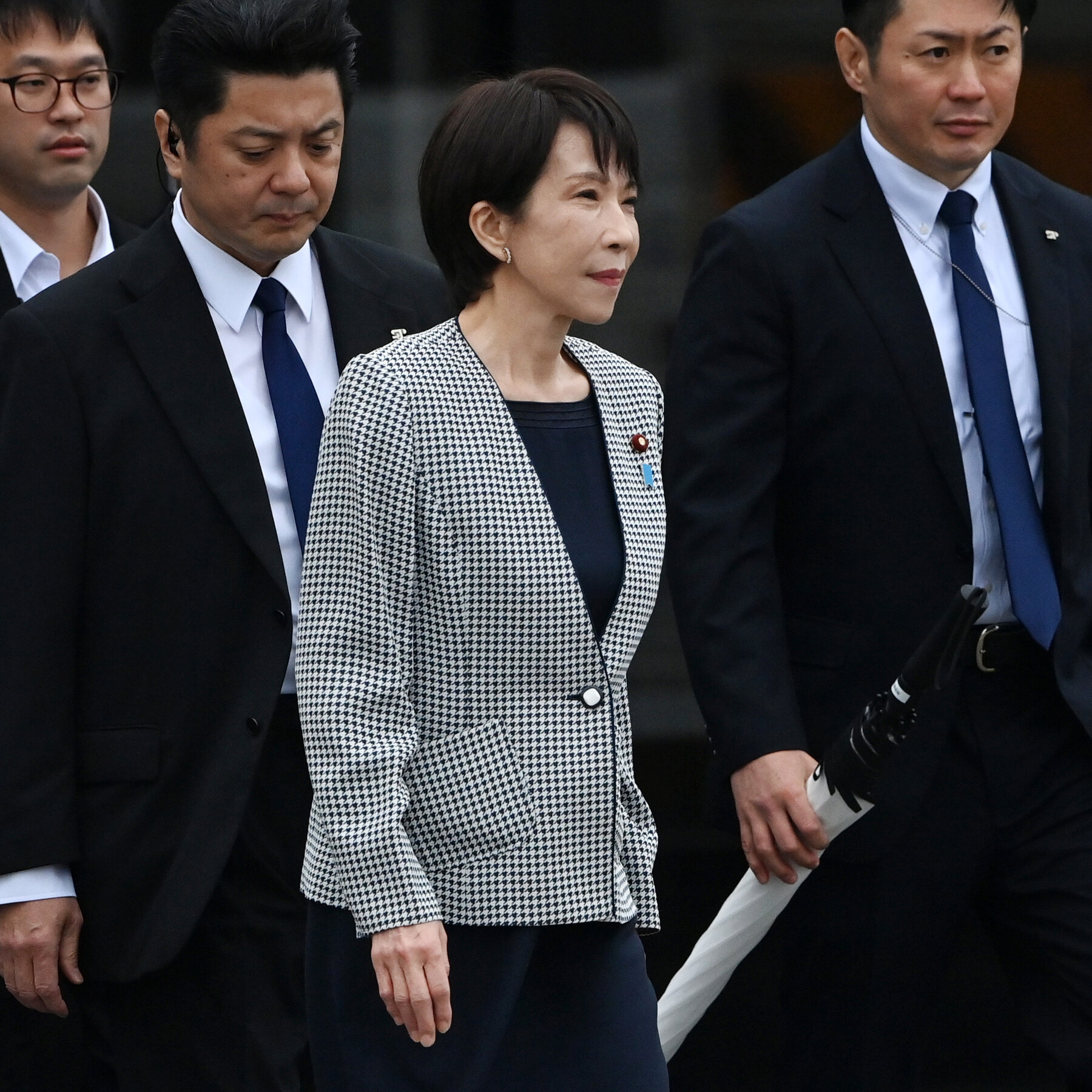
Japan’s new Prime Minister, Sanae Takaichi, is navigating a pivotal moment in her early tenure as she seeks to solidify trade and security assurances from U.S. President Donald Trump. As the first female leader of Japan’s ruling Liberal Democratic Party, Takaichi is keen on establishing a strong bilateral relationship with the United States, crucial for Japan’s economic and security landscape.
The meeting between Takaichi and Trump, scheduled for later this month, is expected to focus heavily on trade relations. Japan has been concerned about the impact of American tariffs and trade policies on its economy. Takaichi aims to reassure both domestic and international audiences that Japan remains a vital trading partner for the United States.
Strengthening Ties with a Familiar Face
To bolster her position, Takaichi is likely to emphasize her connections to the former Prime Minister Shinzo Abe, who had a notably friendly rapport with Trump. This relationship could serve as a diplomatic bridge as Takaichi seeks to maintain Japan’s influence in the Asia-Pacific region.
Abe’s legacy includes a commitment to strengthening Japan-U.S. relations, particularly in areas of trade and security. Takaichi’s strategy will likely involve reinforcing this continuity, demonstrating that her administration will uphold and build upon the foundations laid by her predecessor.
The context of this meeting is particularly important given the shifting geopolitical landscape. Takaichi is stepping into her role at a time when global trade dynamics are under strain, with increased protectionism and evolving alliances. Japan’s position as the third-largest economy in the world makes its relationship with the United States critical not only for bilateral trade but also for broader regional stability.
Domestic Challenges and International Ambitions
While focusing on international relationships, Takaichi must also address domestic challenges. Japan faces significant economic hurdles, including an aging population and a need for innovation in various sectors. As she endeavors to gain Trump’s support on trade, she will also need to assure her constituents that her government is taking meaningful steps to revitalize the economy.
Moreover, Takaichi’s administration has indicated a commitment to enhancing Japan’s defense capabilities, a move that aligns with U.S. interests in the region. Strengthening military ties with the United States could provide a counterbalance to growing influence from China and North Korea.
In summary, Takaichi’s forthcoming discussions with Trump are not merely about trade and security; they represent a crucial test of her leadership early in her administration. The outcomes of these negotiations could significantly shape Japan’s economic landscape and its role in international affairs moving forward. As she prepares for this important diplomatic engagement, the world will be watching closely to see how Takaichi navigates these complex challenges.