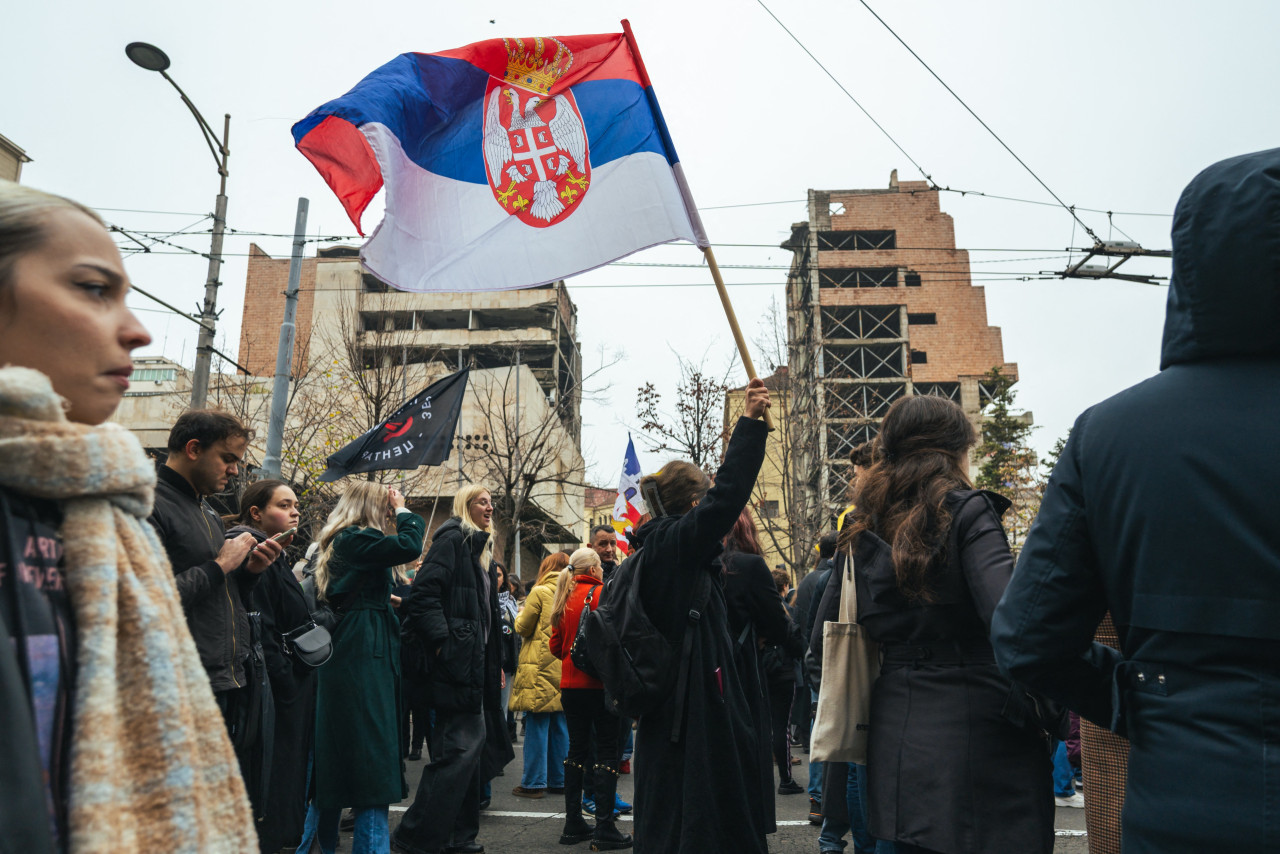
Efforts by Jared Kushner to establish a luxury hotel complex in Serbia are encountering substantial resistance. Over the last two years, the son-in-law of former U.S. President Donald Trump has pursued plans for a set of towers on a site in central Belgrade that was previously bombed during the NATO intervention in the late 1990s.
The proposed project, backed by the Trump Organization, aims to develop a high-profile property in a city known for its rich history and vibrant culture. The location, which holds significant historical context, has sparked debate among local officials and residents who express concerns over its implications.
Local authorities have voiced their apprehensions regarding the environmental and social impact of the development. Critics argue that the project could lead to gentrification and displacement of long-time residents. Additionally, there are worries about the architectural harmony of the new towers with the existing urban landscape.
As the project moves through various stages of planning and approval, it has drawn the attention of activists and community groups. Many are mobilizing to advocate for greater transparency and to ensure that local interests are prioritized in the decision-making process.
In response to the backlash, Kushner’s team has emphasized the potential economic benefits the hotel could bring to the area, including job creation and increased tourism. They argue that the development will enhance Belgrade’s status as a destination for international travelers, thus contributing to the local economy.
Despite these claims, opposition groups remain steadfast in their resistance. They have called for public forums to discuss the implications of the project and to explore alternative proposals that could better serve the community’s needs.
The situation reflects broader tensions surrounding foreign investments in sensitive areas and the balancing act between economic development and community preservation. As discussions continue, the fate of the proposed hotel complex remains uncertain, with both supporters and opponents eager to see how local authorities will respond.
As of now, no final decision has been made regarding the project. The local community, along with stakeholders from various sectors, continues to engage in dialogue about the potential impacts of this ambitious development. The outcome could set a precedent for future projects in Serbia and beyond, highlighting the need for careful consideration of local perspectives in urban development initiatives.