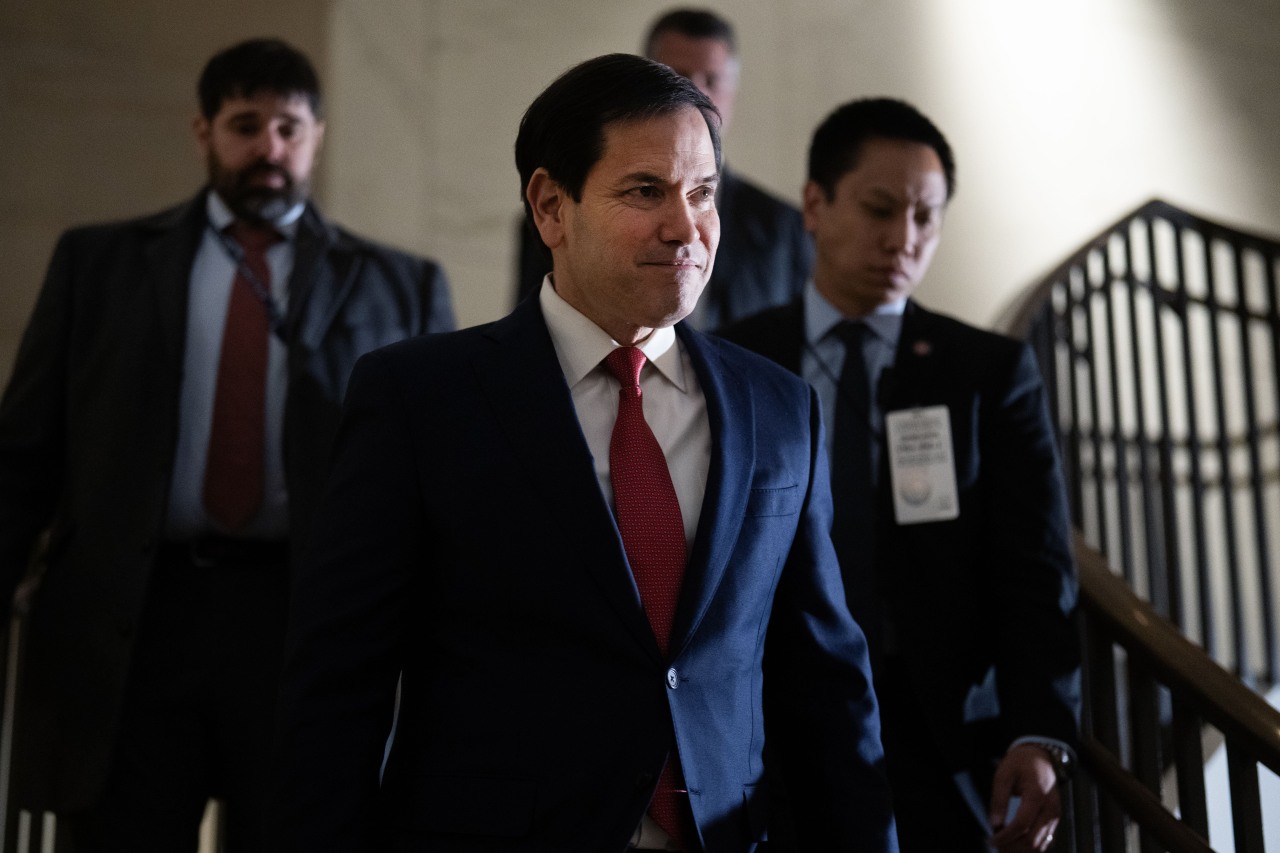
Marco Rubio, once a prominent critic of Donald Trump, has evolved into one of the president’s most trusted advisers since taking on the role of Secretary of State. This transformation reflects not only Rubio’s changing political landscape but also the broader dynamics within the Republican Party.
The shift began after Rubio’s initial campaign for the presidency in 2016, where he positioned himself as a moderate voice in a field dominated by more extreme views. His criticisms of Trump during the primaries were sharp, branding the then-candidate as unfit for office. However, as Trump solidified his position, Rubio recalibrated his approach, aligning himself with the administration’s policies and priorities.
Embracing the MAGA Agenda
Rubio’s embrace of the “Make America Great Again” (MAGA) agenda has opened doors for him within the administration. By supporting Trump’s policies, particularly in foreign affairs concerning Latin America, Rubio aims to influence a region he has long sought to change. His vision includes fostering democracy and economic partnerships that promote stability and growth across Latin America.
The Secretary of State’s initiatives focus on countering the influence of countries like China and Russia in the region. According to reports from the U.S. State Department, Rubio has played a pivotal role in reshaping diplomatic relations, emphasizing the need for support from American allies. His commitment to this cause highlights a broader strategy to extend U.S. influence while addressing the concerns of Latin American nations.
Rubio’s efforts have not gone unnoticed. In his meetings with Latin American leaders, he has stressed the importance of collaboration on issues such as trade and security. By leveraging his position, he aims to strengthen ties that have been strained in recent years.
A New Chapter in His Political Career
Despite his earlier criticisms, Rubio’s current alignment with Trump showcases a significant shift in his political narrative. As Secretary of State, he now has the platform to enact policies that reflect both his long-standing interests and the current administration’s objectives.
The transformation is evident in his communication style and public appearances, where he often champions the administration’s successes. This new role has allowed Rubio to take the lead on various international initiatives, including those aimed at combating corruption and promoting human rights in Latin America.
Critics argue that his shift may compromise his earlier values, suggesting that attaining influence within the party required a departure from his original principles. Nevertheless, Rubio remains steadfast in his mission to effect change in Latin America, arguing that aligning with Trump provides a unique opportunity to advance his goals.
As the political landscape continues to evolve, Marco Rubio’s journey from critic to adviser serves as a compelling example of the complexities within party dynamics and the challenges of maintaining one’s principles in the pursuit of political power. His commitment to reshaping U.S. relations in Latin America illustrates the depth of his ambitions and the potential repercussions for the region.