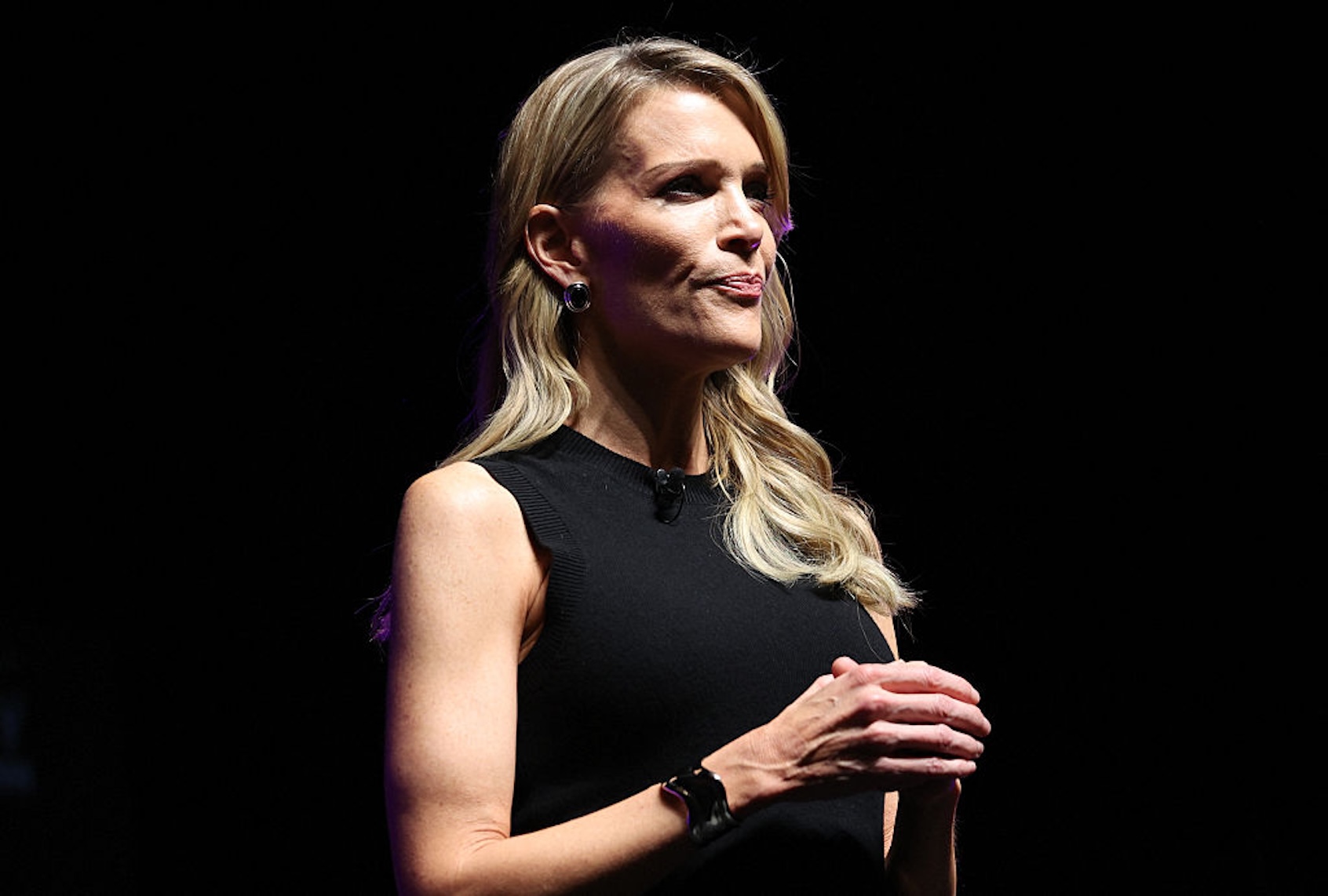
The political landscape within the American right is experiencing significant turmoil, with prominent figures engaging in public disputes that could have lasting implications. Following Donald Trump‘s remarks about Megyn Kelly at a campaign event last year, the popular podcaster has found herself at the center of a fierce feud that is unsettling the conservative movement. This conflict has intensified particularly since the tragic death of Charlie Kirk, founder of Turning Point USA, which has exposed deep fractures within the group.
At the recent AmericaFest held at the Phoenix Convention Center, tensions flared as right-wing pundits clashed over various contentious issues. The event, intended to honor Kirk’s legacy three months after his assassination, devolved into chaos as leading figures like Kelly, Candace Owens, and Ben Shapiro exchanged barbs over accusations of antisemitism and conspiracy theories. This spectacle has raised questions about the unifying narrative of the MAGA movement, which has long claimed to stand united against what it perceives as leftist ideologies.
The underlying conflicts suggest that the right-wing coalition is not merely ideological but also economically motivated. Figures like Kelly and Owens appear to be capitalizing on a wave of populism, despite their stated opposition to the principles of diversity, equity, and inclusion. The MAGA movement has paradoxically attracted a more diverse voter base, which complicates its traditional narratives. The internal strife witnessed at AmericaFest reflects a deeper struggle for the direction of the conservative coalition, which seems increasingly defined by anger rather than cohesive policy.
Owens has recently promoted a controversial conspiracy theory linking Kirk’s death to a supposed covert meeting involving security personnel and Nevada GOP Rep. Mark Amodei. At AmericaFest, Kelly openly supported Owens’ inquiries about potential Israeli involvement in Kirk’s murder, a stance that drew sharp criticism from Shapiro. Shapiro, who previously helped launch Owens’ podcast, publicly challenged Kelly on stage, leading to further discord among prominent right-wing commentators.
In a follow-up interview with *Vanity Fair*, Kelly escalated her rhetoric, labeling Shapiro and journalist Bari Weiss as “cowards” for their positions. She accused them of fostering antisemitism through their pro-Israel stance, asserting that their actions were more harmful than those of other commentators. Kelly expressed frustration over perceived divisions within the conservative movement, questioning why issues surrounding Israel had become a point of contention.
The situation escalated to the extent that the Anti-Defamation League felt compelled to respond, stating that Kelly’s comments “cross a dangerous line.” This intervention underscores the serious implications of the rhetoric being used among influential figures, especially as antisemitism reemerges in political discourse.
Polling data from conservative analyst Frank Luntz highlighted the irony of Kelly’s recent critiques, as she had previously praised Weiss when the latter was appointed to a prominent position at CBS News. In response to Luntz, Kelly indicated that her criticisms of allies would continue, marking a potential shift in her public persona as she seeks to align with a younger, more radical faction of Republican voters.
Kelly’s podcast continues to gain traction, indicating her ability to tap into a growing base of listeners who resonate with her controversial views. Her position mirrors that of other right-wing figures who have navigated similar ideological paths, suggesting a trend towards increasing radicalization to maintain relevance.
The ongoing feud among these conservative commentators may not merely be a matter of personal rivalry; it reflects a broader struggle for the ideological future of the Republican Party. As factions within the party grapple with traditional alliances, particularly concerning foreign policy and relationships with countries like Israel, the stakes are high for those vying for influence.
In conclusion, the events at AmericaFest and the subsequent fallout highlight a significant realignment within American conservatism. As figures like Kelly navigate this turbulent landscape, the question remains whether they can maintain their audience while addressing the fundamental issues that divide them. The implications of these conflicts may reshape the Republican Party in a manner that will resonate far beyond the current political cycle, leaving observers to consider what may come next.