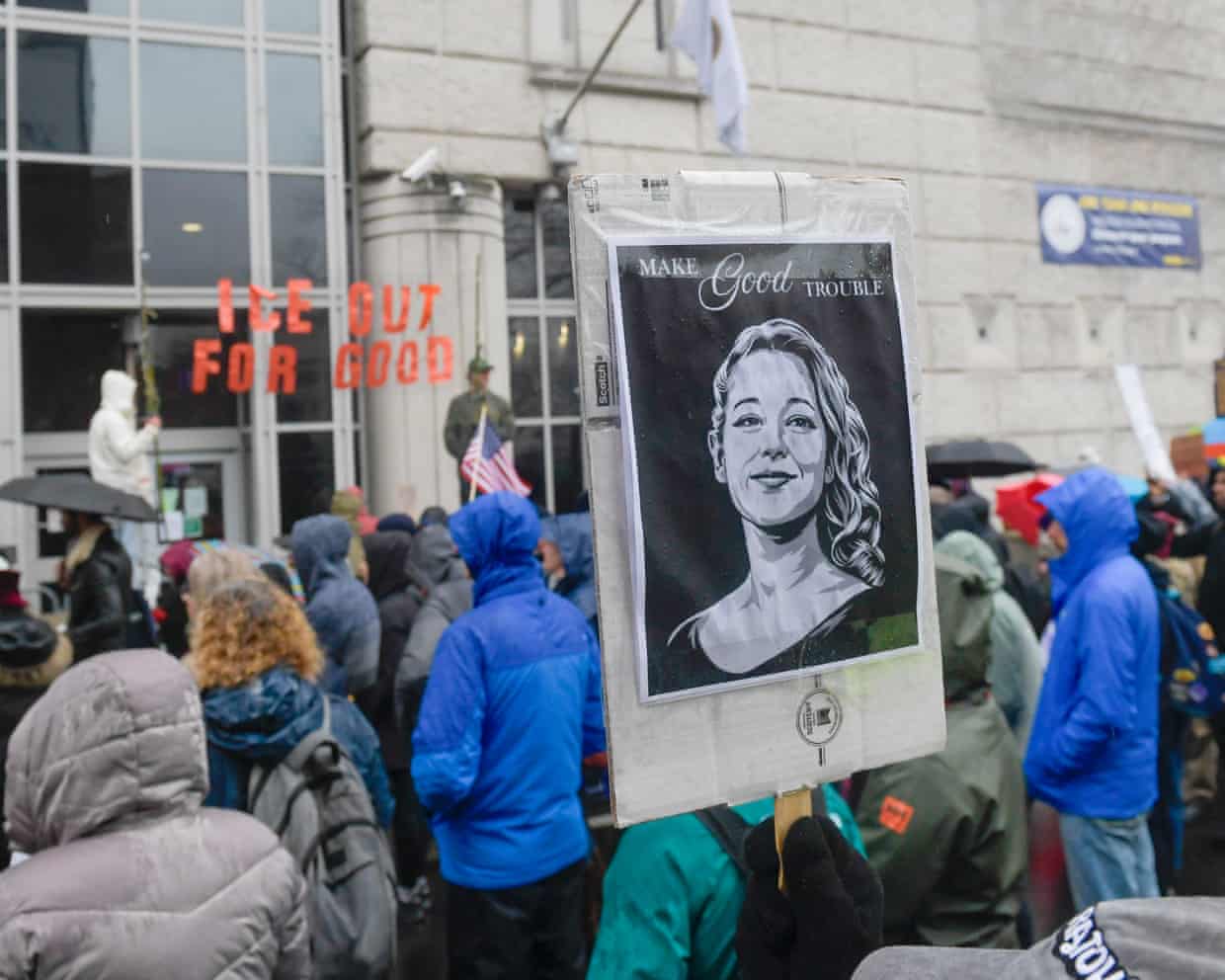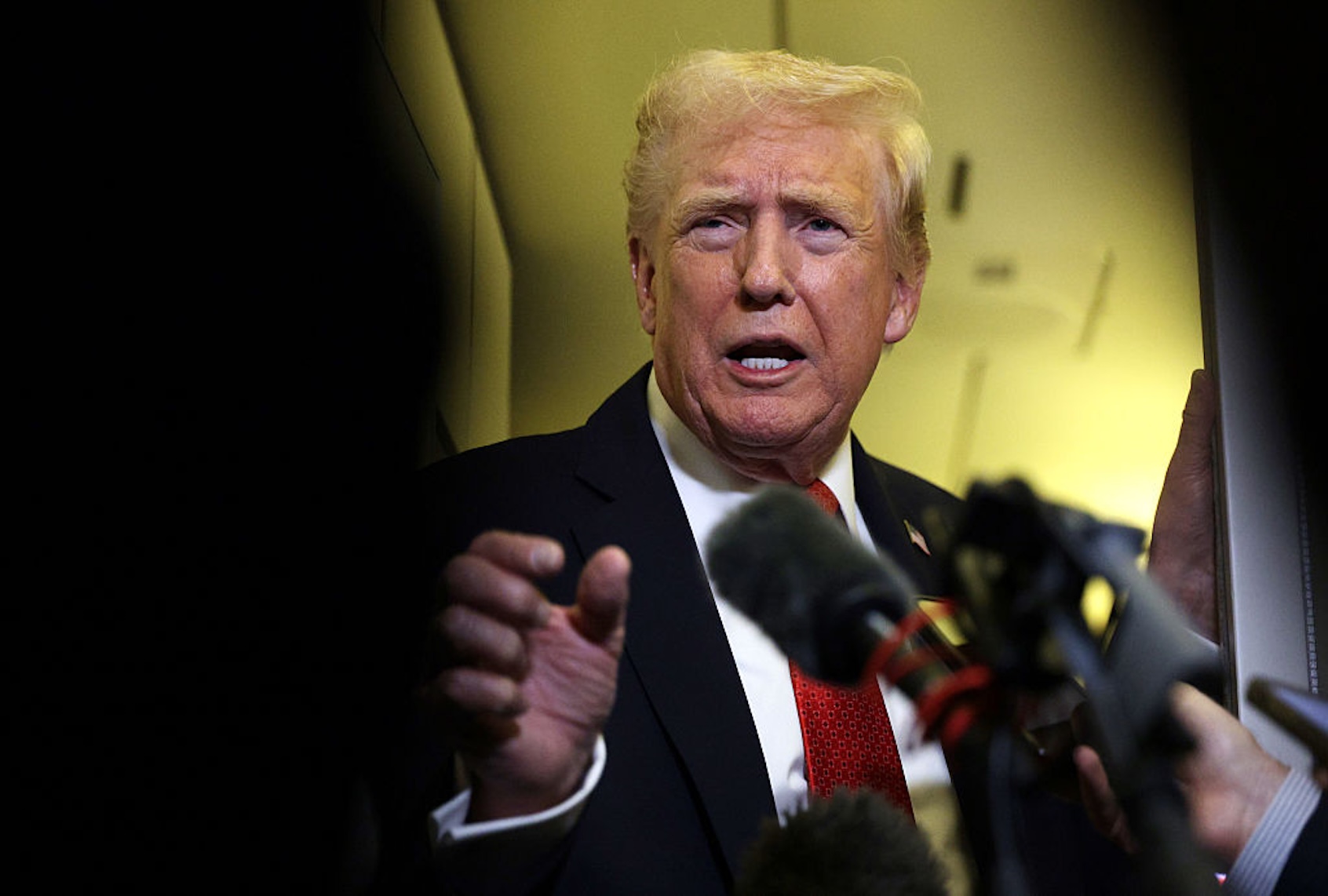
On March 2, 2024, an estimated 7 million people participated in the “No Kings” protests across more than 2,600 locations in the United States. This unprecedented mobilization marked the largest single day of protests in American history, surpassing earlier demonstrations against President Donald Trump’s increasingly authoritarian actions. Instead of engaging with the concerns raised by demonstrators, Trump responded by mocking them with a controversial AI-generated video that drew inspiration from the classic film “Top Gun.”
The video features a caricature of Trump, dubbed “King Trump,” piloting a plane and releasing what appears to be human waste onto the protesters below. This mockery was compounded by the use of “Danger Zone,” the iconic song by Kenny Loggins, which the artist requested to be removed from the video. Despite the tone of the video, which many deemed immature and distasteful, it resonated with some of Trump’s supporters.
In the lead-up to the protests, Trump and other members of the Republican Party, including Speaker of the House Mike Johnson, described the demonstrations as “anti-American” and attempted to delegitimize them by alleging that they were poorly attended and filled with paid participants. In stark contrast, the sheer number of attendees illustrated a significant exercise of constitutional rights.
Responses from Authorities and Political Analysts
Republican governors, including Glenn Youngkin of Virginia and Greg Abbott of Texas, prepared their states’ National Guard in anticipation of potential violence during the protests. Fortunately, their deployment was unnecessary, as the protests remained peaceful. Political scientists, such as Susan Stokes from the Chicago Center on Democracy, noted that while democratic leaders may not appreciate protests against their policies, they typically do not resort to violent repression.
Stokes drew parallels between Trump’s behavior and that of authoritarian leaders like Turkish President Recep Tayyip Erdoğan, who have historically responded to dissent with attempts to discredit and delegitimize protests. She emphasized that public demonstrations in a functioning democracy should signal to leaders the need for recalibration of their positions to maintain support.
Trump’s video, while effective in rallying his base, raised concerns among critics regarding the administration’s use of spectacle to reinforce authoritarianism. Media scholar David Altheide described the president’s approach as “mediated destruction,” highlighting a contempt for millions of Americans who oppose his policies. Altheide argued that the crude humor in Trump’s video served to dehumanize and dismiss dissenting voices, reinforcing a narrative that positions opponents as insignificant.
The Broader Context of American Democracy
In a climate where public protests are met with ridicule rather than dialogue, the implications for American democracy are profound. While many observers hope for a resurgence of civic engagement to challenge Trumpism, the reality remains complex. Stokes articulated the tension between autocratic governance and civil society’s perception of democracy, suggesting that continued exercise of rights is crucial for their preservation.
Despite the large turnout for the No Kings protests, Trump’s popularity has begun to wane, with polls indicating that more Americans are concerned about the future of democracy under his leadership. However, the Democratic Party faces its own challenges, struggling with low approval ratings.
As history has shown, significant public demonstrations can serve as catalysts for change. Yet, without sustained action following the protests, the potential for real impact may remain limited. Sir Winston Churchill’s observation about Americans doing the right thing after exploring all other options resonates today, as frustration with Trumpism and its implications continues to grow.
The No Kings protests reflect a growing resistance to perceived authoritarianism in the United States. As citizens mobilize to assert their rights, the future of American democracy hangs in the balance, prompting a critical examination of governance and public engagement.