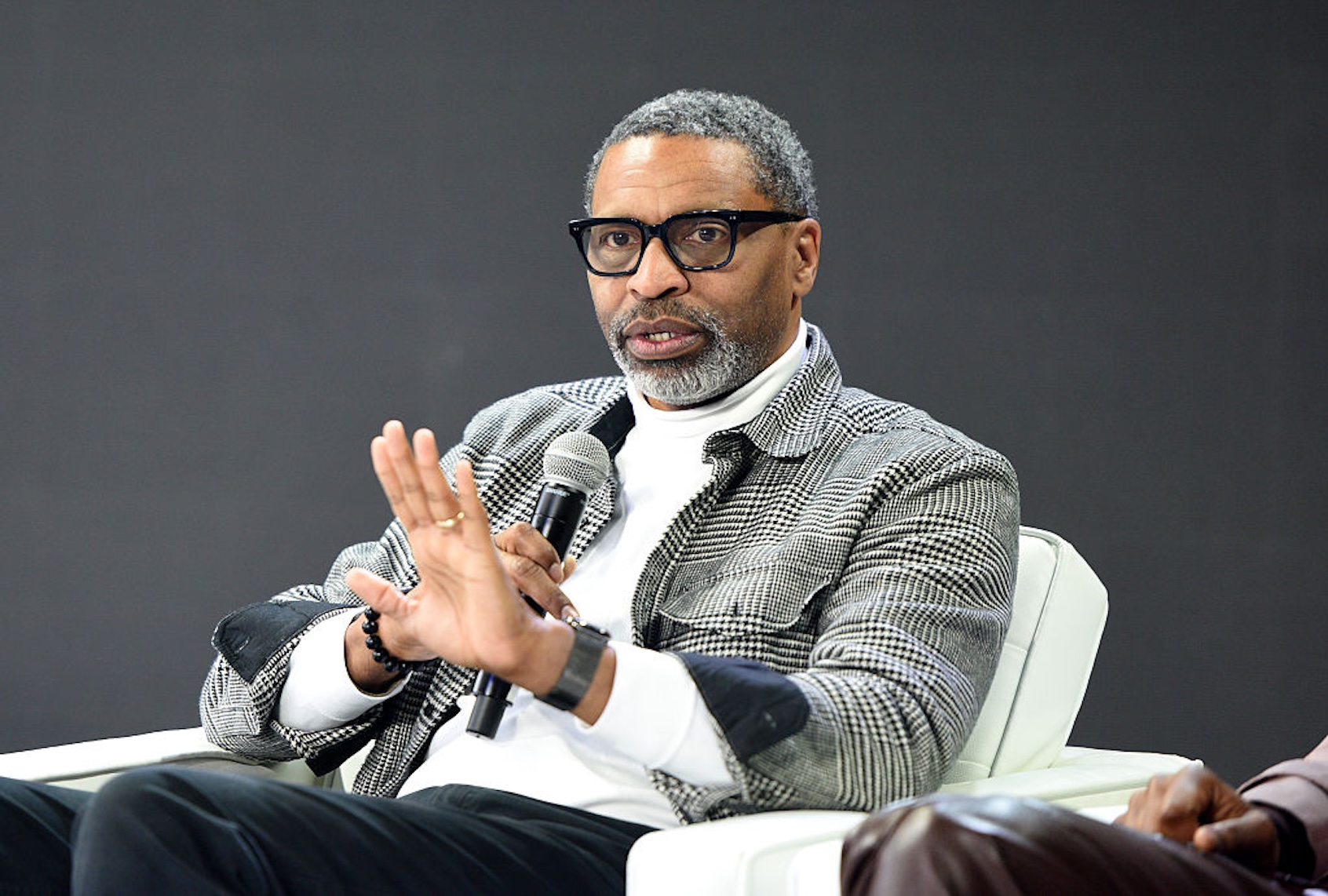
This year’s Black History Month is marked by a profound sense of loss, according to Derrick Johnson, president and CEO of the NAACP. He argues that the Trump administration is actively undermining the legacy of the Civil Rights Movement and the broader struggle for Black freedom in the United States. Johnson contends that the phrase “Make America Great Again” essentially translates to “Make America White Again,” reflecting a return to earlier, more oppressive societal structures.
In an interview with me, Johnson discussed how America is at a critical juncture where the fight for democracy is ongoing and complex. He believes that the Civil Rights Movement serves as a blueprint for overcoming the challenges posed by what he describes as Trumpism.
Reflections on Race and Class
Johnson emphasized the importance of clarifying the intersections of race and class in today’s political landscape. “Race is a tool that is used to maintain domination and control in this society,” he explained. He pointed out that class often acts as a buffer. By perpetuating narratives that blame marginalized groups for the struggles faced by working-class white Americans, the political elite distract from the systemic issues affecting everyone.
He elaborated, “The policymakers who harm working-class people—both white and Black—exploit racism to divert attention from the real culprits of their struggles.” This manipulation of public perception complicates efforts to address the underlying economic and social inequalities affecting many communities.
The Current State of American Identity
When asked about what it means to be American in this climate, Johnson described a precarious situation. He cited instances in Minneapolis where federal law enforcement has carried out warrantless searches and targeted individuals for deportation, raising serious concerns about civil liberties. “The Constitution should apply to everyone,” he stressed, indicating that current practices threaten the rights of many, regardless of their immigration status.
Johnson also addressed the role of the NAACP and similar organizations in challenging rising authoritarianism. He noted that the NAACP is focused on mobilizing voters for the upcoming elections. Although African Americans represent approximately 13% of the population, they accounted for only 11% of all ballots cast in the 2024 elections. Johnson emphasized the urgency of increasing voter turnout to ensure that Black voices are heard in shaping the nation’s future.
To bolster this effort, the NAACP is actively engaging in legal battles to protect voting rights and uphold the constitutional protections for all citizens, particularly in areas like Minneapolis.
In recent developments, Johnson pointed out that the Trump administration has made moves to consolidate control over elections, including an order for the Department of Justice to raid election offices in Fulton County, Georgia. This action is viewed as a strategy to manipulate voter registration and sway upcoming elections.
“We live in a democracy. Our vote is our currency,” Johnson remarked, asserting that the administration’s actions threaten the fundamental principles of American democracy.
The Fight for Accountability
Johnson criticized the Trump administration’s approach to governance, which he claims focuses on destruction rather than constructive policy-making. He stated, “The easiest thing to do is to destroy and blame the lack of governing on something else.” By undermining government institutions, he argues, the administration is not only eroding democratic norms but also paving the way for increased wealth concentration among the powerful.
As Minneapolis continues to grapple with issues of police violence and federal intervention, Johnson noted a growing awareness among white Americans regarding the struggles faced by Black communities. “Minneapolis has become Ground Zero,” he said, referencing the killing of George Floyd and the subsequent global protests that highlighted systemic racism.
He urged those participating in protests to remain steadfast, emphasizing that today’s struggle could easily affect others in the future. “The tools of domination and control will not stop at one’s legal status or racial identity,” he warned, highlighting the need for solidarity across communities.
In response to concerns about burnout among activists, Johnson likened the fight for democracy to a marathon. “You may have to pause and catch your breath, but you keep running,” he advised, reinforcing the notion that sustained effort is essential for meaningful change.
As Black History Month unfolds, Johnson encourages reflection on the resilience of Black Americans. Despite the challenges, he believes in the potential for a better future, driven by the lessons learned from past struggles. “We cannot go into a fight preparing to lose,” he affirmed, underscoring that the fight for democracy is far from over.
Ultimately, Johnson’s insights serve as a call to action for Americans to engage in the democratic process and advocate for a more equitable society. The lessons of the Civil Rights Movement, he argues, remain relevant as the nation navigates its current political landscape.