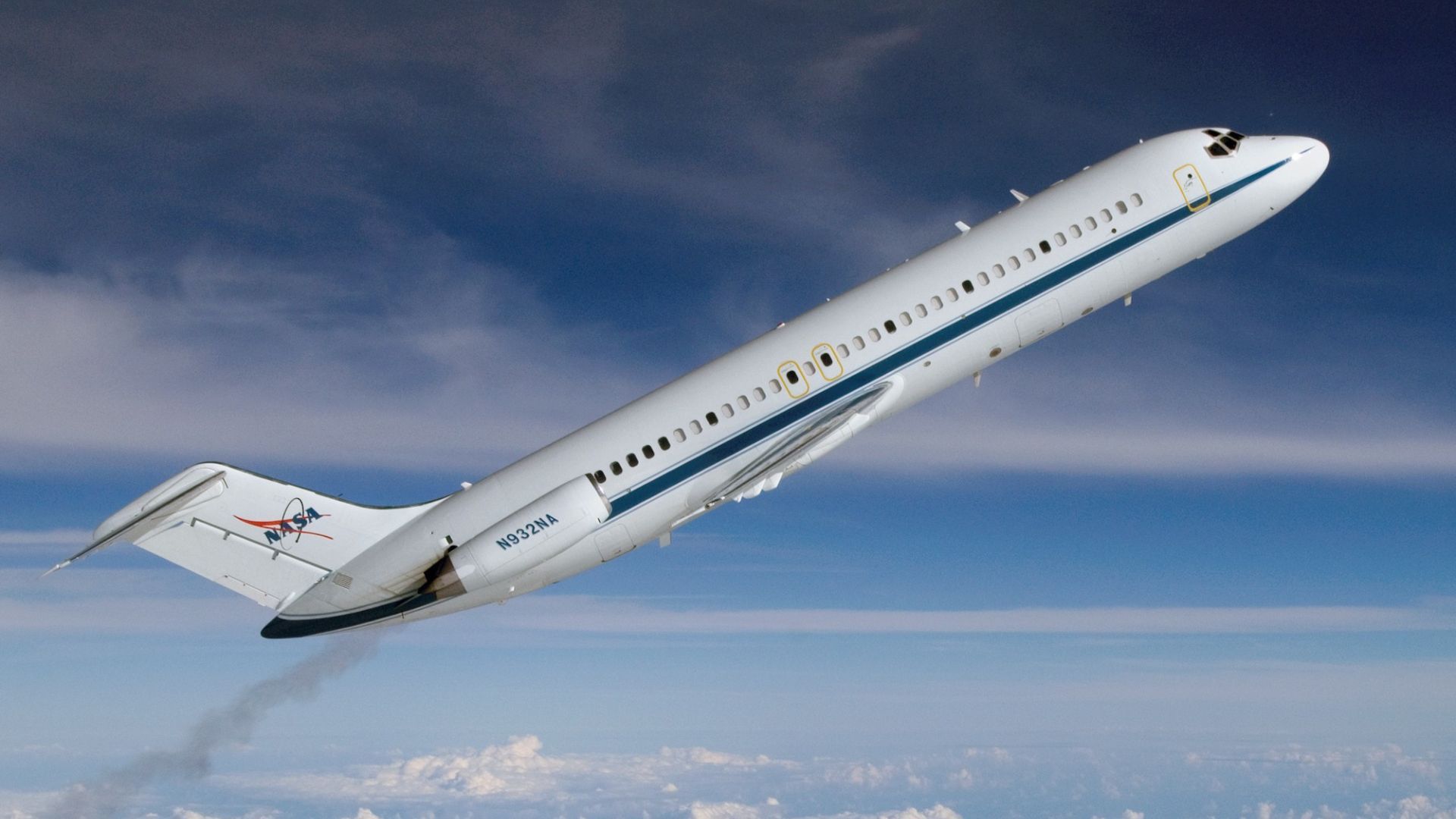
NASA has initiated the search for a new aircraft to sustain its parabolic flight program, commonly referred to as the “Vomit Comet.” This program is vital for simulating microgravity conditions, which are essential for astronaut training, scientific research, and technology testing. Historically based at Ellington Field in Houston, Texas, these flights occur several times a year at various locations across the United States. The agency highlights that replacing the current aircraft is crucial to ensure the program’s viability for future decades.
The parabolic flight program has played a significant role in bridging the gap between ground-based testing and actual space missions. Each flight allows researchers to experience repeated intervals of reduced gravity without the extensive costs and complexities associated with orbital launches. NASA’s existing aircraft have facilitated thousands of experiments, but as these aircraft age, operational limitations are becoming increasingly apparent. A new aircraft would help maintain one of the most accessible microgravity platforms globally.
NASA currently collaborates with providers such as the Florida-based Zero Gravity Corporation, which operates a modified Boeing 727-200, known as “G-Force One.” Although reliable, maintaining these older commercial jets is increasingly challenging due to the scarcity of parts. Data from NASA indicates that each parabolic flight typically involves performing between 15 and 40 parabolas, generating approximately 20 seconds of microgravity for each maneuver. In total, this sums to over 10 minutes of cumulative weightlessness during a single flight.
The agency is looking for an aircraft that can safely execute these demanding flight profiles while accommodating research teams and experimental payloads. Key requirements include structural endurance, adequate cabin space, and system redundancy. Minimizing downtime is also a priority, as the aircraft supports both internal research and external users, such as universities, private companies, and international partners.
The announcement for new Parabolic Flight Services, issued by the NASA Armstrong Flight Research Center, outlines the agency’s intent to solicit information from potential sources to ensure the continuation of this essential program.
Importance of Parabolic Flight for Research and Industry
Parabolic flight campaigns are regarded as one of the most cost-effective methods for conducting microgravity research. A single flight can support numerous experiments, covering areas from fluid dynamics to human physiology. NASA estimates that hundreds of researchers engage with the program annually. For student-led and early-stage projects, these flights often serve as a final validation before actual spaceflight.
From an aviation perspective, parabolic flights present unique challenges. Aircraft regularly transition from approximately 1.8g during pull-up to near-zero gravity at the peak of each parabola. This repeated stress imposes distinctive loads on the airframe and onboard systems, limiting the number of aircraft types suitable for sustained parabolic operations.
As commercial space activity expands, the relevance of parabolic flight grows. Private companies utilize these flights to test hardware intended for orbit, thereby reducing risks before launch. Demand for microgravity access has steadily increased over the past decade, particularly in sectors like biotechnology and materials science.
Future of Microgravity Access with a New Aircraft
NASA’s parabolic flight history dates back to the late 1950s, with early astronauts training on modified military jets. Over the decades, aircraft such as the KC-135 and the C-9 have become synonymous with microgravity research. The informal nickname “Vomit Comet” reflects the physical challenges associated with repeated gravity changes that can affect even seasoned flyers. Despite these challenges, interest in participating remains strong.
A replacement aircraft could offer significant upgrades, including modern flight decks, enhanced fuel efficiency, and reconfigurable interiors. These improvements may lead to longer missions or increased experimental capacity. Some experts suggest that a new aircraft could also strengthen collaborations with commercial microgravity providers.
Ultimately, the selection of a new aircraft will significantly influence the future accessibility of microgravity research. Beyond research, these flights support astronaut familiarization and public engagement efforts, ensuring that NASA continues to prepare crews effectively while advancing scientific knowledge at a lower cost compared to orbital missions.