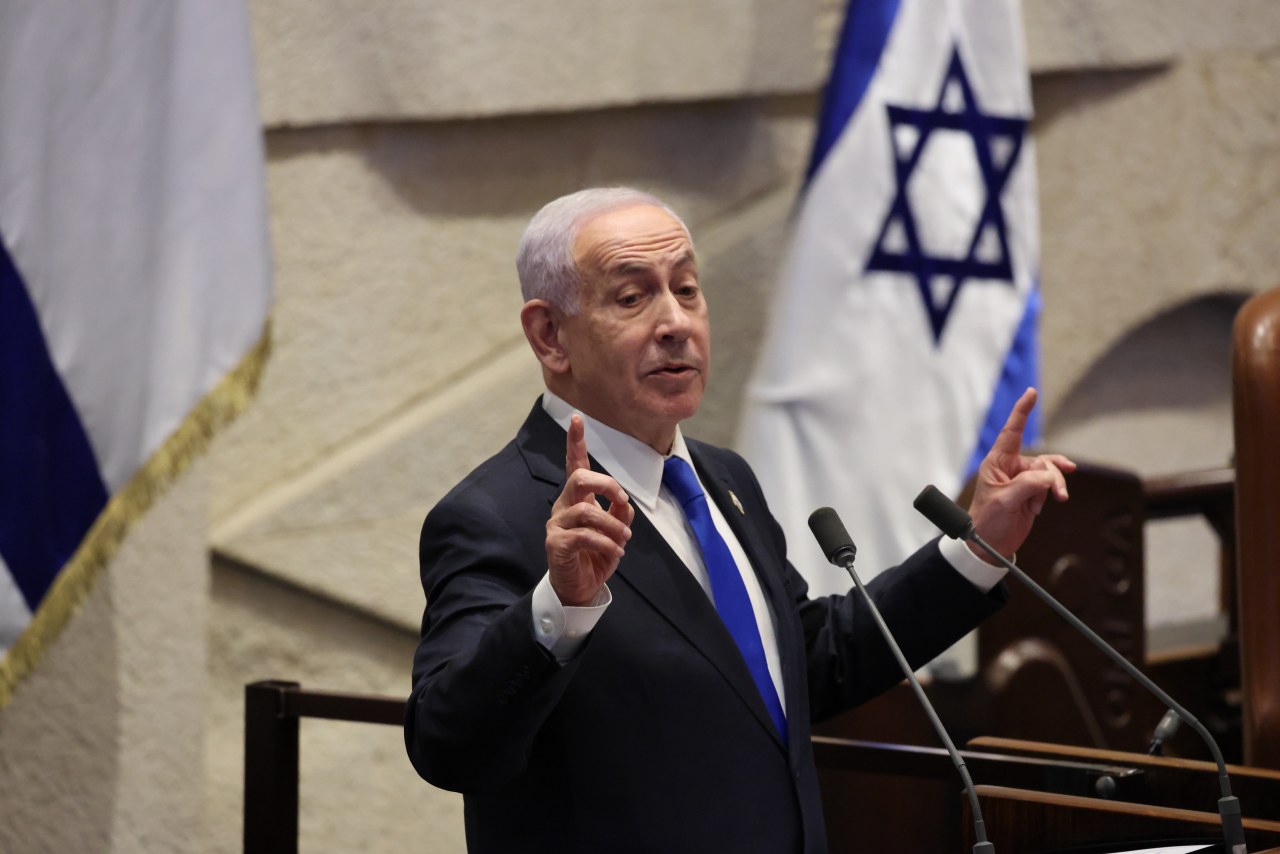
Prime Minister Benjamin Netanyahu has proposed overseeing a commission tasked with investigating the failures that preceded the October 7, 2023, attacks on Israel. This initiative comes as the nation grapples with the aftermath of the assaults, which resulted in significant loss of life and raised critical questions about security protocols.
The October 7 attacks marked a pivotal moment in Israeli history, leading to the deaths of over 1,400 individuals, mostly civilians. The urgency for a thorough examination of the circumstances surrounding the attacks has intensified, with many citizens demanding accountability from their leaders.
Public Reaction and Political Implications
The proposal for an inquiry has sparked a divided response among the Israeli populace and political factions. Some view Netanyahu’s oversight as a necessary step towards ensuring justice and enhancing national security. Others, however, express concern that his involvement could compromise the inquiry’s impartiality.
Critics argue that a commission led by the Prime Minister may lack the independence required to conduct a thorough investigation. This sentiment is echoed by opposition leaders who emphasize the importance of a transparent and unbiased review. Yair Lapid, leader of the opposition and former Prime Minister, has called for a completely independent commission, free from governmental influence.
In the Knesset, discussions surrounding the structure and leadership of the inquiry are ongoing. Some lawmakers advocate for a diverse panel that includes representatives from various sectors, including military experts and civil society, to ensure a comprehensive approach.
Scope and Objectives of the Inquiry
The proposed inquiry aims to assess the effectiveness of the Israeli security establishment in preventing the attacks and to evaluate the response to the crisis. Key areas of focus will likely include intelligence failures, military preparedness, and communication among security agencies.
As part of his proposal, Netanyahu indicated that the commission would also explore the broader context of regional security threats. The Prime Minister’s office has stated that the goal is not only to understand what went wrong but also to implement changes to prevent similar incidents in the future.
The commission will seek to gather testimonies and evidence from various sources, including military personnel, intelligence officials, and affected civilians. This comprehensive approach aims to provide a clearer picture of the events leading up to October 7 and to identify necessary reforms in Israel’s defense strategies.
As the inquiry unfolds, it will be crucial for the commission to maintain transparency and build public trust. The outcome will significantly influence Israel’s political landscape and shape the strategies of its security establishment moving forward.
In conclusion, the proposed investigation into the October 7 attacks represents a critical juncture for Israel. With strong public interest and political implications, the inquiry will test the government’s commitment to accountability and reform in the face of national tragedy.