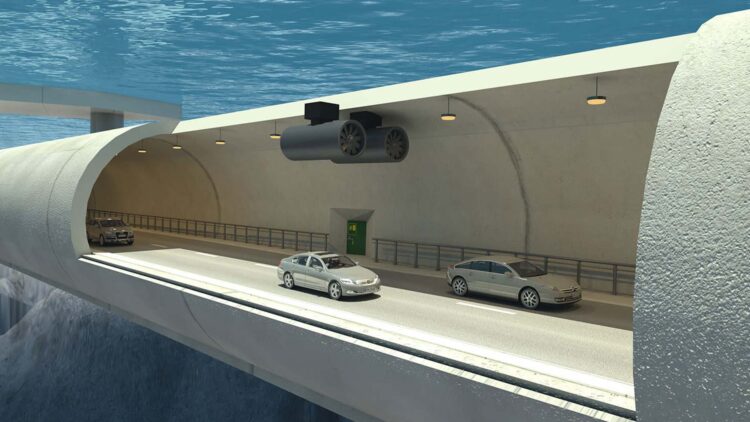
Norway has embarked on an ambitious project to construct the world’s longest and deepest undersea road tunnel, known as Rogfast. This monumental engineering feat will stretch over 26 kilometers and descend to a depth of approximately 390 meters below sea level. Once completed, the tunnel will provide a direct connection between the cities of Stavanger and Haugesund, substantially reducing travel times for vehicles crossing the fjords of Rogaland.
Currently, ferry services are the sole mode of transport across the waterway, which can be slow and subject to weather conditions. The Rogfast tunnel is expected to save drivers more than 40 minutes on their journeys, transforming the way communities interact across the fjords. The construction is part of the E39 coastal highway project, which aims to enhance connectivity along Norway’s breathtaking coastline.
Engineering Challenges and Solutions
The construction of Rogfast presents significant engineering challenges. The extreme depth and length require advanced techniques to ensure the safety and efficiency of the tunnel. Engineers must develop systems for ventilation, emergency evacuations, drainage, and structural integrity that can withstand the immense water pressure found at such depths.
According to a report by Euronews, the tunnel’s design must account for both regular traffic patterns and rare emergencies, such as accidents or fires occurring far below the surface. As a result, Rogfast will set new standards for subsea tunnel construction, pushing the boundaries of existing technology.
Economic and Environmental Impact
The implications of Rogfast extend beyond mere transportation convenience. The tunnel aims to bolster economic activity in the region by facilitating more efficient goods transport and improving access for workers and families. Increased connectivity is expected to attract tourists and enhance business operations across the area.
In addition to economic benefits, Rogfast is designed with environmental considerations in mind. By providing a direct road link, the project aims to reduce carbon dioxide emissions associated with ferry transport, which often relies on fuel-intensive services. By closing some ferry routes, Norway hopes to promote a more sustainable model of mobility.
The Norwegian government has estimated the overall cost of the Rogfast project to exceed €2 billion. Funding will come from a combination of government sources and user fees once the tunnel opens, which is anticipated to occur in 2033. Construction is projected to continue for much of the decade, with various geological assessments ongoing to mitigate potential challenges.
Norway has a history of successfully building subsea tunnels, yet Rogfast’s scale is unprecedented. The successful completion of this tunnel could serve as a benchmark for other countries facing geographical challenges in their infrastructure development. The project not only promises to enhance transportation in Norway but also to inspire future engineering endeavors globally.
As construction progresses, Rogfast stands as a testament to human ingenuity and determination, transforming Norway’s stunning fjord landscape into a network of connections, both practical and visionary.