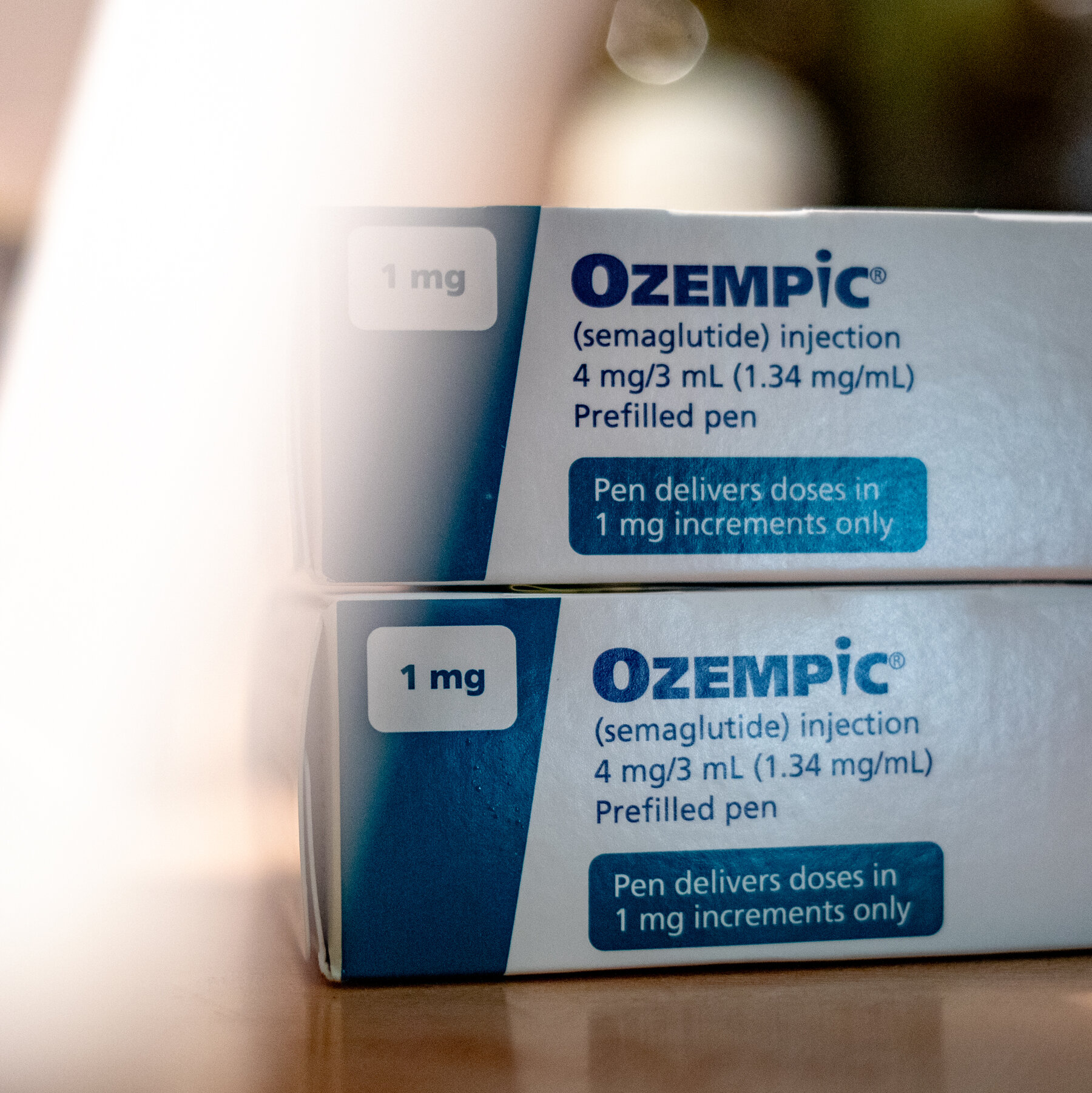
Recent breakthroughs in weight-loss medications, particularly drugs like Ozempic and Wegovy, have ignited a wave of excitement among healthcare professionals and patients alike. These medications, originally developed to treat diabetes, have gained attention for their ability to promote significant weight loss. However, experts caution that the long-term effects of these treatments remain largely unknown.
Ozempic, which is administered via injection, works by mimicking a hormone that regulates appetite. Clinical trials have shown that individuals using this medication can lose around 15% to 20% of their body weight over a period of several months. This impressive figure has led to a surge in prescriptions, with some reports indicating that more than 1.4 million patients in the United States have been prescribed these medications as of October 2023.
Long-Term Effects Still Unclear
Despite the promising results, researchers emphasize the need for caution. Samuel Klein, a prominent figure in obesity research at the University of Washington, highlights that the long-term implications of using such medications are not yet fully understood. While initial findings are encouraging, Klein urges patients to consider potential risks associated with prolonged use.
The American Journal of Clinical Nutrition recently published findings that suggest significant weight loss can lead to improvements in health markers such as blood pressure and cholesterol levels. Yet, the journal also notes that these benefits must be weighed against possible side effects, including nausea, gastrointestinal issues, and the risk of developing pancreatitis.
Health professionals are particularly concerned about the lack of comprehensive studies on the long-term effects of these drugs. Many patients may find themselves relying on medications like Ozempic or Wegovy for extended periods, raising questions about their overall safety and efficacy over time.
Accessibility and Affordability Challenges
The rise in popularity of these medications has also brought challenges related to accessibility and affordability. Insurers in various countries are grappling with whether to cover these treatments, as they can cost upwards of $1,500 per month without insurance. This price tag poses significant barriers for many individuals seeking weight-loss solutions.
As demand for these drugs continues to grow, some healthcare providers are advocating for broader insurance coverage and affordability measures. They argue that the potential health benefits, including reduced risks of obesity-related diseases, could ultimately save the healthcare system money in the long run.
The discourse surrounding Ozempic and similar medications highlights the complex nature of modern weight management. The excitement over their effectiveness must be tempered with a cautious approach to their long-term use. Continued research and open dialogue among healthcare professionals, patients, and insurers will be crucial in navigating this evolving landscape.
As the conversation around weight-loss medications progresses, it is essential for individuals to remain informed and consult healthcare providers when considering treatment options. The balance between achieving desired health outcomes and ensuring safety will shape the future of obesity management in the coming years.