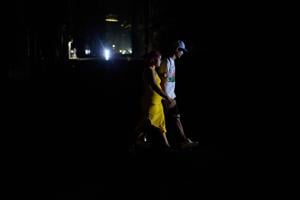
Cuba is in the process of restoring power following a substantial blackout that affected western parts of the island on January 3, 2024. The outage, attributed to a vulnerable electric grid and insufficient fuel supplies, left millions without electricity. Crews have been working diligently to repair a broken boiler at one of Cuba’s largest thermoelectric plants, although officials estimate that full restoration may take three to four days.
As of Thursday, reports indicate that approximately 660,000 customers in Havana, which represents 77% of the city’s population, have had their electricity restored. Key facilities such as 43 hospitals and 10 water supply stations are operational. Despite these efforts, authorities cautioned that low power generation continues to hinder progress, and some circuits that were reconnected experienced outages again.
Residents are coping with the hardships caused by the blackout. Miguel Leyva, a 65-year-old man living with his ill mother and brother, expressed his frustration, stating, “I have no words to describe what I’m going through: the heat, the mosquitoes and no electricity. The food could spoil.” His situation reflects the broader impact of the outage on daily life in the area.
Cuba’s Ministry of Energy and Mines communicated via social media platform X that the electrical system is currently operating at a limited capacity, with a focus on essential services, especially in healthcare and water supply. State media reported that two power plants have also gone offline due to a lack of petroleum, compounding the crisis.
Crews identified a crack in the boiler drum that caused the outage and reported that it would take about 12 hours to cool down enough for repairs to commence. Work is already underway to address an additional damaged pipe.
Despite the challenges, some residents are finding ways to adapt. Sonia Vázquez, a 61-year-old coffee vendor, continued her business by preparing coffee with gas early in the morning using a rechargeable lamp, stating, “I didn’t sleep last night. Too many mosquitoes.” Meanwhile, José Ignacio Dorta, a 57-year-old café owner, noted that some of his frozen food has spoiled, but he is actively seeking solutions to prevent further losses.
Cuba has faced ongoing issues with its aging electric grid and intermittent fuel supplies. The situation has worsened in recent months, particularly following a suspension of crucial oil shipments from Venezuela due to U.S. sanctions. In January, U.S. President Donald Trump warned that tariffs would be imposed on any country supplying oil to Cuba, further straining the island’s energy resources.
On Thursday, Trump hinted at a potential deal with Cuba, mentioning connections to Inter Miami and indicating that discussions are ongoing. He emphasized a cautious approach, particularly in light of the current geopolitical climate involving Iran. While he did not provide specific details, he suggested that negotiations with Cuba could be forthcoming.
The blackout on January 3 is the second significant outage in western Cuba within three months, following a nearly 12-hour outage in December 2023. The aging thermoelectric plants, some operational for over three decades, face challenges in maintenance due to financial constraints and U.S. sanctions that limit access to new equipment and specialized parts.
The situation underscores the critical need for improvements in Cuba’s electrical infrastructure to prevent future disruptions and ensure reliable service for its citizens.