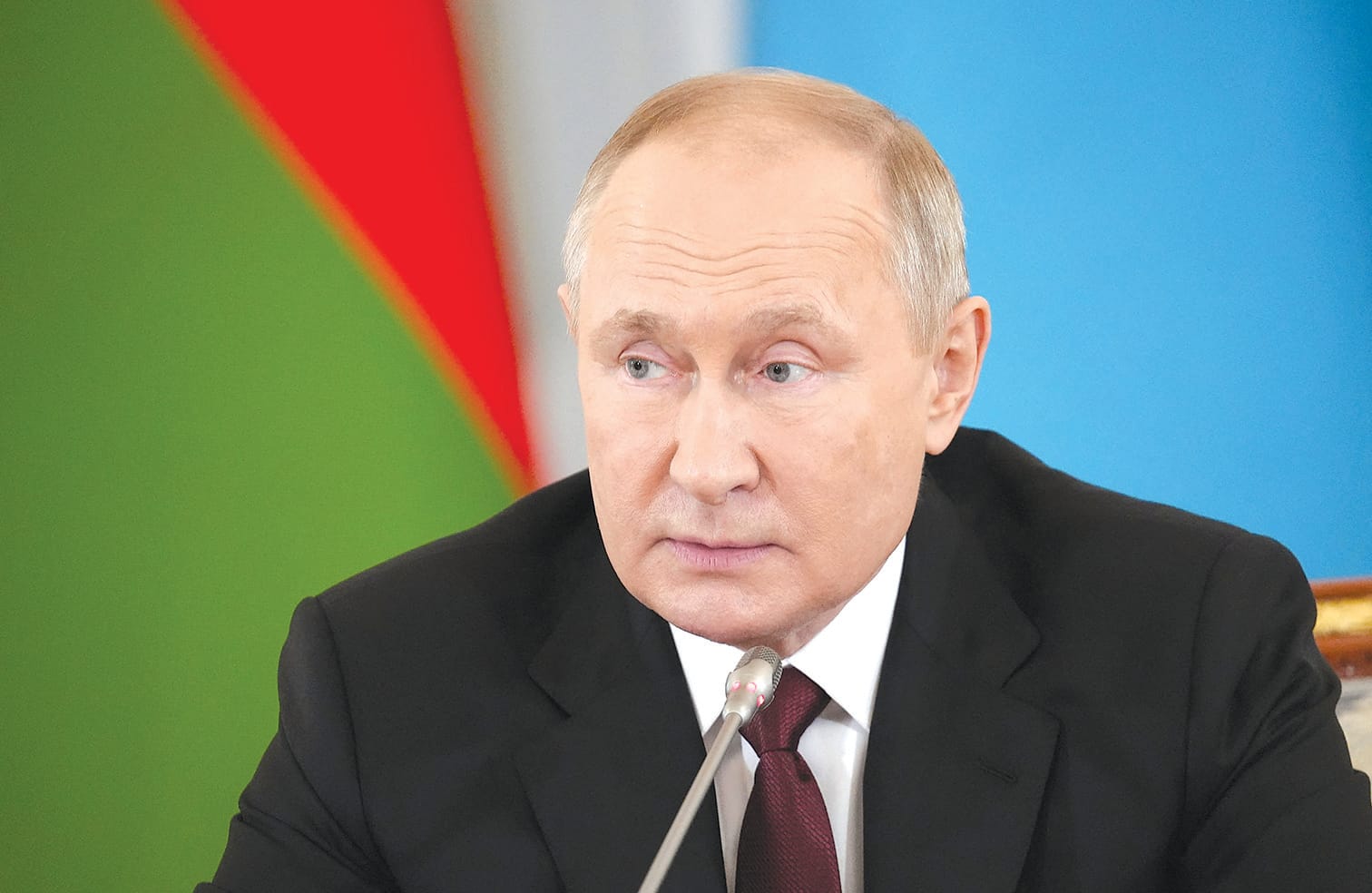
Russian President Vladimir Putin has ordered government officials to develop proposals for the potential resumption of nuclear tests. This directive follows comments made by U.S. President Donald Trump, which suggested that the United States may restart its own nuclear testing program.
During a meeting with his Security Council on October 30, 2023, Putin reiterated that Russia would only consider resuming nuclear tests if the U.S. does the same. He instructed defense and foreign ministries, along with other relevant agencies, to analyze Washington’s intentions and prepare proposals for possible nuclear tests. The move underscores a significant escalation in nuclear rhetoric amid ongoing geopolitical tensions.
Trump’s remarks indicated a willingness to resume nuclear tests for the first time in three decades, stating that any such actions would be on an “equal basis” with Russia and China. However, U.S. Energy Secretary Chris Wright clarified that the new tests ordered by Trump would not involve actual nuclear explosions. The comments were made during Trump’s visit to South Korea, shortly after Putin highlighted the successful testing of advanced Russian nuclear-capable weapons.
The U.S. has not conducted any nuclear detonations since 1992, adhering to the Comprehensive Nuclear Test Ban Treaty, which it signed but did not ratify. This treaty has been respected by all recognized nuclear powers, with the exception of North Korea. In a decisive move, Putin signed a bill in 2023 that revoked Russia’s ratification of the treaty, asserting that it was necessary for maintaining parity with the U.S.
During the Security Council meeting, Andrei Belousov, Russia’s Defense Minister, informed Putin about U.S. efforts to modernize its nuclear arsenal. He stated that these developments, combined with the possibility of renewed nuclear tests by the U.S., significantly heighten military threats to Russia. Belousov proposed that preparations for nuclear tests should begin on the Arctic Novaya Zemlya archipelago, the site of the last Soviet nuclear test in 1990.
General Valery Gerasimov, the head of the military’s General Staff, supported Belousov’s recommendation. He cautioned that failing to act promptly could result in missed opportunities to respond effectively to U.S. actions, as preparations for nuclear tests can take from several months to years depending on the specific type of test.
In the aftermath of the discussions, Putin instructed governmental bodies to gather comprehensive data on the situation, evaluate it within the context of the Security Council, and submit coordinated proposals regarding the potential initiation of nuclear weapons test preparations. Kremlin spokesperson Dmitry Peskov emphasized that Putin did not order the immediate commencement of preparations but rather sought to assess the necessity of such actions.
The implications of Trump’s statements have prompted significant concern within the Russian leadership. Dmitry Medvedev, the deputy head of the Security Council, articulated that the comments must be taken seriously, regardless of Trump’s own understanding of their impact. He noted that Russia would have to re-evaluate the necessity of conducting full-scale nuclear tests in light of the U.S. position.
This developing situation highlights the increasingly strained relations between the U.S. and Russia, particularly in the realm of nuclear policy. As both nations navigate a complex landscape of military readiness and diplomatic posturing, the potential for renewed nuclear testing remains a critical issue on the international stage.