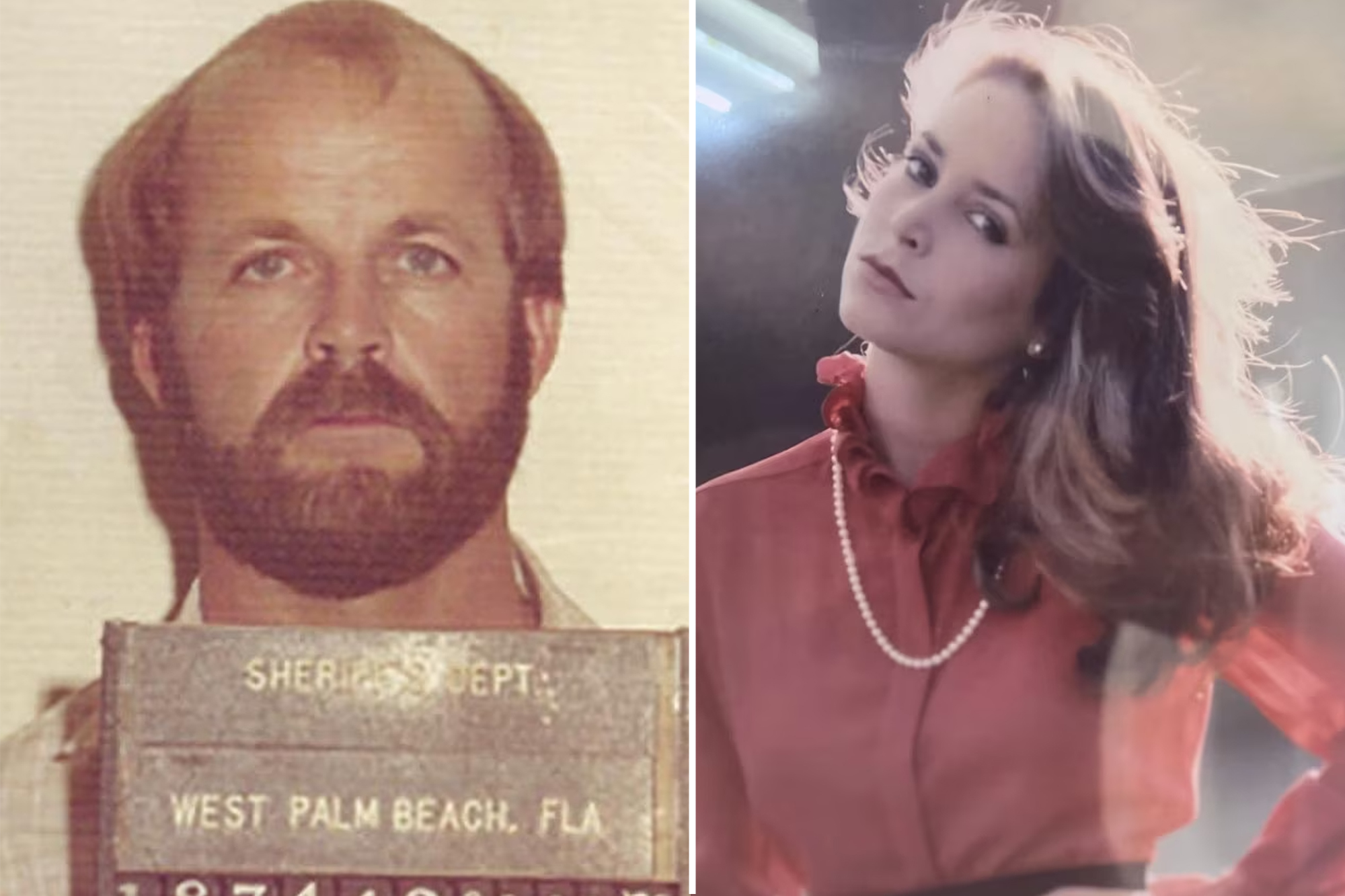
In a chilling series of events, a marriage proposal rejection by Elizabeth Kenyon has drawn renewed attention to the long-unsolved case of serial killer Christopher Wilder, who is believed to have claimed multiple victims across the United States and Australia. Kenyon, a 23-year-old special needs teacher from New York, briefly dated Wilder before rejecting his early marriage proposal. This decision set off a tragic chain of events that would lead to her disappearance, as well as the suspected involvement of Wilder in other high-profile cases.
Eight days after 21-year-old Rosario Gonzalez vanished from the Miami Grand Prix, Kenyon disappeared. Her family immediately sensed something was wrong and quickly began investigating her connection to Wilder, a wealthy businessman linked to the infamous Wanda Beach murders in Sydney in 1965. A new lead has emerged following the launch of the true crime podcast Catching Evil, which has reignited interest in these cases.
According to investigator Andy Byrne, a woman recently contacted the podcast’s tip line to share her mother’s troubling experiences with Wilder during the time of the Wanda Beach killings. The woman revealed that her mother, then a 15-year-old girl, was approached repeatedly by Wilder at the Top Ryde shopping centre, located just a five-minute drive from his family home in East Ryde. “He was constantly trying to get her to come with him to Wanda Beach,” the woman’s daughter disclosed.
In the United States, Kenyon’s parents sought the assistance of Miami private detective Ken Whittaker. After only two days of investigation, Whittaker became convinced that Kenyon was Wilder’s latest victim. Their connection began at the Miss Florida USA pageant, where Kenyon placed fourth. Whittaker urged Miami police to question Wilder, but his pleas were dismissed. Police accused him of contaminating the crime scene and compromising evidence, leading to a frustrating impasse.
Beth’s family watched in dismay as police bureaucracy hindered the investigation. “Whittaker was furious that critical evidence he had obtained was being ignored,” Byrne explained. “He had been a cop himself and his father ran the FBI in Miami.” Despite mounting evidence, police refrained from pursuing Wilder, believing Whittaker had compromised the case.
The situation was exacerbated by the chaotic environment in South Florida during 1984. Mark Lewellyn, co-host of the podcast, noted that the region was rife with corruption and violence, creating a perfect storm for a serial killer to evade capture. “Especially when he looked like Christopher Wilder – wealthy, successful, white, respectable,” Lewellyn said. “The kind of man instinctively dismissed as a suspect because men like that didn’t commit crimes like this.”
As Whittaker battled with law enforcement, the investigation faltered. Evidence went unexamined, witnesses were not interviewed, and Wilder’s movements remained largely untracked. The Kenyon family continuously urged police to consider Wilder, whose alarming proposal after only a few dates should have raised immediate red flags. Yet, inaction allowed Wilder the freedom to continue his predatory behavior.
The podcast series reveals Wilder’s disturbing pattern of targeting young women, often promising them modelling careers in New York. Many of his victims’ bodies were discovered in or near bodies of water close to Lockport, New York, where Beth’s family owned convenience stores. Byrne also mentioned interviews with two women who encountered Wilder, who indicated that he was actively seeking his next victim.
Miami Dade Homicide Detective Ray Nazario expressed frustration over the situation, noting how Whittaker’s efforts to alert police may have inadvertently scared Wilder away. “I’m stubborn as hell. If I don’t see it myself I can’t tell you something,” Nazario remarked. He emphasized the need for caution but acknowledged the pressing nature of the investigation.
As the podcast continues to unfold, the question remains: how many lives could have been saved had authorities acted decisively? The tragic story of Elizabeth Kenyon serves as a stark reminder of the consequences of a slow response to emerging evidence in cases of missing persons and potential serial crimes. The fifth episode of Catching Evil is available now, urging anyone with information about Wilder to step forward.
Anyone with details related to this case is encouraged to contact [email protected]. The podcast is accessible on Apple.com and Spotify, providing a platform for sharing crucial information that could help solve these ongoing mysteries.