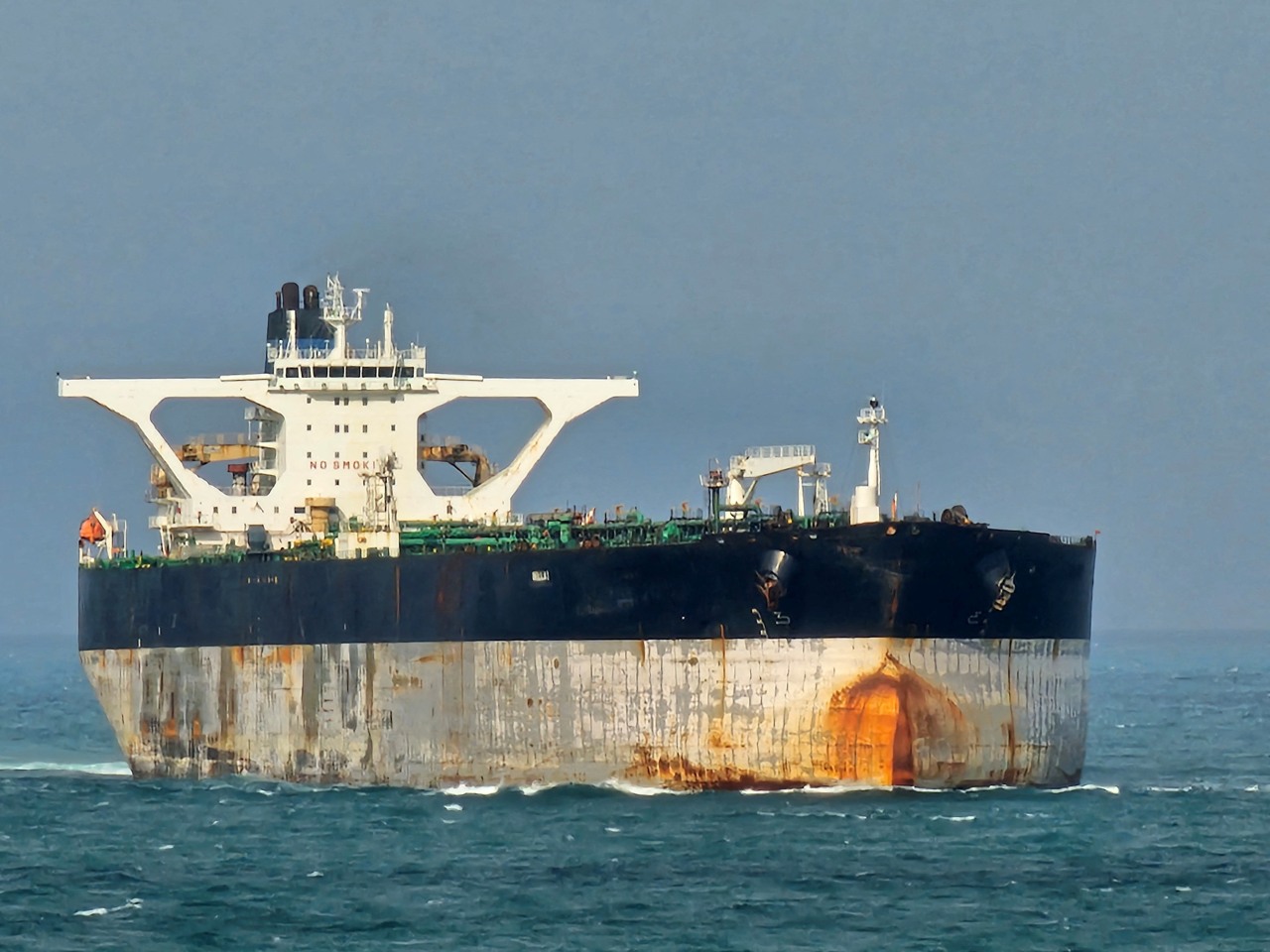
A Russian submarine has been dispatched to escort the oil tanker Bella 1, which the United States attempted to seize off the coast of Venezuela. This escalation comes as U.S. officials allege that the vessel is part of a fleet involved in the transport of illicit oil. The situation raises significant geopolitical tensions in the region, highlighting the complex dynamics between the two nations.
The U.S. government has taken a firm stance against Venezuelan oil shipments, aiming to curb the flow of revenue to the government led by President Nicolás Maduro. According to officials, the Bella 1 is linked to a network of vessels that transport oil in violation of international sanctions. The Trump administration’s efforts to seize the tanker reflect its broader strategy to undermine the Maduro regime’s economic stability.
In response to the U.S. actions, Russia’s decision to send a submarine signifies its commitment to protecting its interests and those of its allies. The Russian Ministry of Defense stated that the submarine would provide naval escort for the tanker, ensuring its safe passage through contested waters. This move represents a clear signal of support for Venezuela amidst increasing U.S. pressure.
The Bella 1 is one of several tankers reportedly involved in transporting oil from Venezuela, a country rich in resources yet facing economic hardship due to ongoing sanctions. As the U.S. intensifies its efforts to seize such vessels, the potential for conflict increases, drawing in international actors like Russia.
Tensions have escalated in recent months, with the U.S. Navy actively monitoring the situation. The deployment of the submarine not only serves to protect the tanker but also reinforces Russia’s military presence in the region. This shift could have broader implications for maritime security and international trade routes.
The backdrop of this confrontation is rooted in longstanding geopolitical rivalries. The U.S. has historically viewed Venezuela’s alliances with nations like Russia and Iran as a threat to regional stability. As such, the actions surrounding the Bella 1 may set a precedent for future encounters between U.S. and Russian naval forces.
Experts suggest that the presence of the submarine could deter U.S. forces from taking aggressive action. With both countries poised to defend their interests, the situation remains delicate. The international community is closely watching developments, as any miscalculation could lead to significant consequences.
The conflict over the Bella 1 underscores the challenges of enforcing sanctions in a globalized economy. It highlights the ongoing struggle between nations seeking to assert their influence and protect their economic interests. Moving forward, the implications of this naval escort will likely reverberate through diplomatic channels, affecting relations not just between the U.S. and Russia, but also among other nations involved in the Venezuelan crisis.
As this situation unfolds, the potential for further escalation remains. Both the U.S. and Russia are likely to continue pursuing their respective strategies, with the fate of the Bella 1 serving as a focal point in their ongoing contest for power and influence in the region.