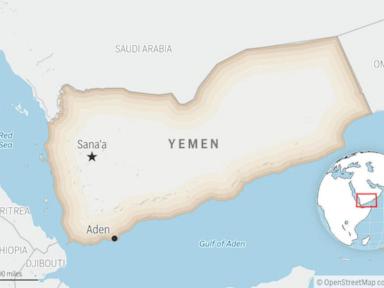
Saudi Arabia has formally called on the Southern Transitional Council, which is backed by the United Arab Emirates, to withdraw its forces from the Yemeni governorates of Hadramout and Mahra. This request, made on December 25, 2023, marks a significant escalation in the ongoing tensions within a coalition that has been engaged in a protracted conflict against Houthi rebels since 2015.
The statement from Saudi Arabia’s Foreign Ministry aims to apply public pressure on the council, which has increasingly asserted its authority in these regions. The Saudi government emphasized the need for cooperation among all Yemeni factions to maintain security and stability, warning that any destabilizing actions could lead to “undesirable consequences.”
Coalition Dynamics Under Strain
The Southern Transitional Council has recently intensified its presence in Hadramout and Mahra, areas that were previously under the control of other forces. The Saudi Foreign Ministry stated that efforts are underway to have the council’s forces revert to their prior positions and transfer control of military camps in these areas to the National Shield Forces, a group that Saudi Arabia supports.
“These efforts remain in progress to restore the situation to its previous statement,”
the ministry noted, indicating ongoing diplomatic attempts to resolve the situation peacefully. The council has also begun to promote the flag of South Yemen, a territory that existed as an independent country until 1990.
As calls for demonstrations surfaced in Aden to support the political movement advocating for secession, it remains uncertain whether these rallies will proceed in light of Saudi Arabia’s announcement. Aden serves as a critical stronghold for forces opposing the Houthis.
The rising tensions between the Southern Transitional Council and the Saudi-led coalition highlight the complexities of the conflict. Saudi Arabia and the UAE, both key players in the coalition, have historically maintained a cooperative relationship but have increasingly competed for influence in Yemen.
Consequences of Ongoing Conflict
The conflict, which began when the Houthis seized Yemen’s capital, Sanaa, in September 2014, has resulted in a humanitarian crisis that has claimed more than 150,000 lives and left millions on the brink of famine. The war has drawn international attention, with accusations against Iran of supplying arms to the Houthis, despite Tehran denying these claims.
In light of recent regional developments, the Houthis have launched attacks on maritime vessels in the Red Sea, significantly disrupting shipping routes. Although some shipping traffic has resumed, many companies continue to reroute around Africa to avoid the Red Sea and Gulf of Aden.
The situation in Yemen remains precarious, with the potential for further escalation. As the United States has previously engaged in military action against the Houthis, including airstrikes using B-2 bombers, the ongoing conflict could once again draw in international forces, complicating an already volatile landscape.
As diplomatic efforts continue, the focus remains on ensuring stability in Yemen and preventing further deterioration of humanitarian conditions for the millions affected by this enduring conflict.