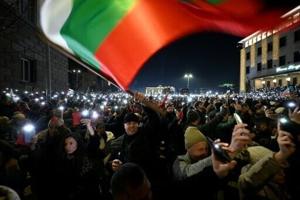
On November 1, 2023, tens of thousands of individuals across Bulgaria participated in widespread protests against the government, driven by escalating frustrations regarding corruption and the newly proposed budget. This surge in public discontent reflects a growing anti-corruption movement as citizens demand greater accountability and transparency from their leaders.
The protests unfolded in major cities, including Sofia, Plovdiv, and Varna, where demonstrators filled the streets, waving banners and chanting slogans against government officials. The discontent has been brewing over the government’s draft budget for the upcoming year, which many believe fails to address pressing social issues and exacerbates existing inequalities. Protesters expressed their anger not only towards the budget but also towards systemic corruption they feel has permeated various levels of government.
Many demonstrators voiced their concerns about the impact of the budget on essential services such as healthcare and education. The proposed financial plan allocates insufficient resources to these critical sectors, which has further alienated citizens who feel their needs are ignored. Additionally, the protesters called for significant reforms and the resignation of key officials implicated in corruption scandals.
The protest on Wednesday marks a pivotal moment in Bulgaria’s political landscape. The country has seen a series of similar protests in recent weeks, culminating in this large-scale demonstration that underscores the public’s growing dissatisfaction with the current administration. According to local news reports, the protesters included a diverse mix of citizens from various backgrounds, highlighting the widespread nature of the discontent.
In an official statement, the government defended its budget, asserting that it aims to stimulate economic growth and create jobs. However, many citizens remain unconvinced, viewing the government’s assurances as insufficient. The rallying cry for change reflects a deeper desire for a political environment free from corruption, where citizens can trust their leaders.
As the protests gain momentum, the possibility of further demonstrations looms. Activists have called for continued mobilization, urging citizens to remain vigilant in holding their government accountable. The outcome of this anti-corruption movement may significantly influence Bulgaria’s political future, as public sentiment grows increasingly assertive in demanding change.
In the coming days, the government will likely face mounting pressure to address the concerns raised by the protesters. The situation remains dynamic, with many eyes watching closely to see how officials will respond to the demands for reform and accountability.