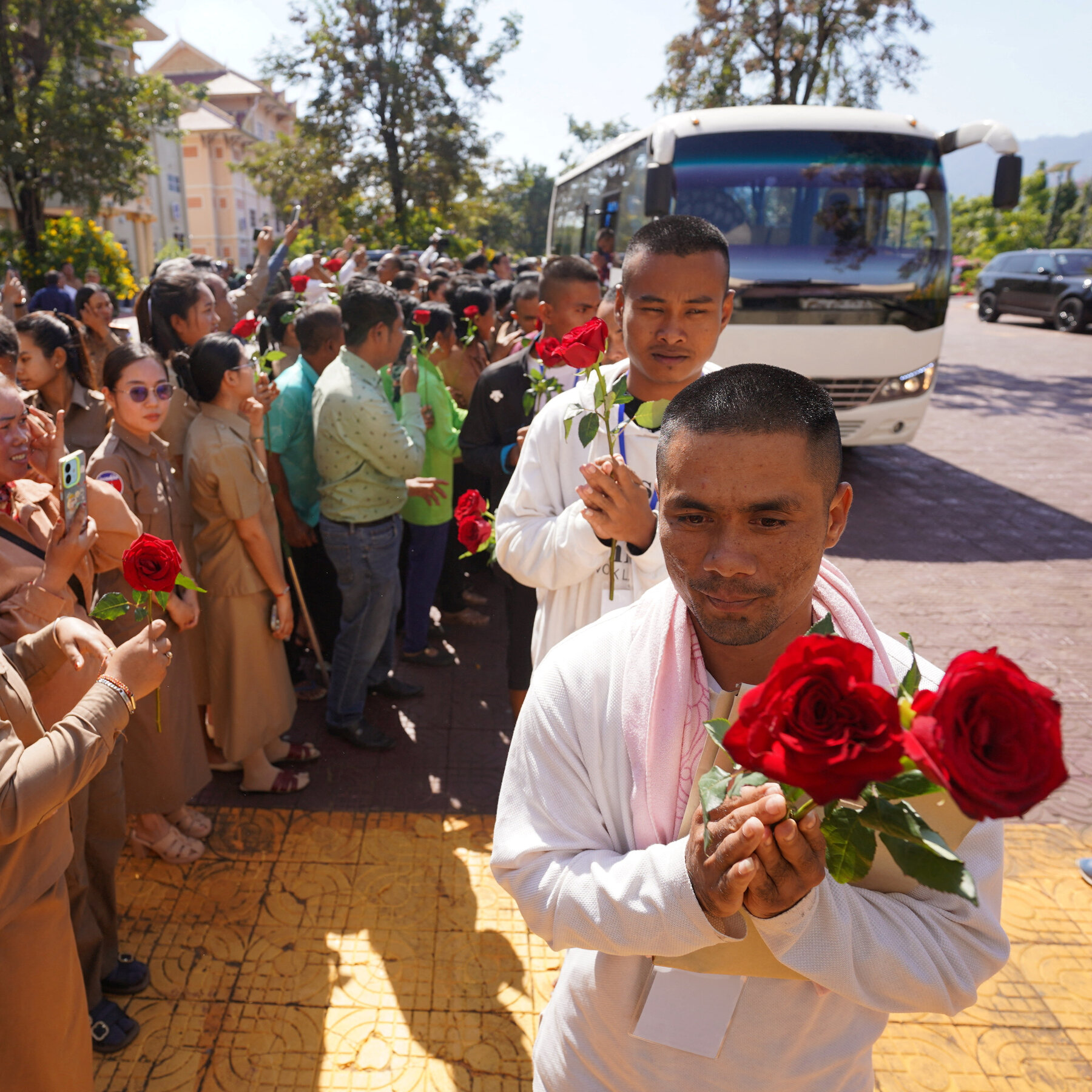
Thailand has repatriated 18 Cambodian soldiers who were captured during military clashes in July 2023. This significant development follows a recently established 72-hour cease-fire aimed at mitigating ongoing border tensions between the two nations. The cease-fire, which commenced on March 15, 2024, marks a crucial step toward stabilizing the region and potentially resolving months of conflict.
The repatriation was facilitated by negotiations led by representatives from both governments, along with the involvement of the Association of Southeast Asian Nations (ASEAN). According to the Thai Ministry of Foreign Affairs, the soldiers were returned to Cambodia in a ceremony that underscored efforts to foster peace and cooperation in the area.
Thailand and Cambodia have a long history of border disputes, particularly around areas rich in natural resources. The recent skirmishes have heightened tensions, prompting calls for diplomatic solutions. The 18 soldiers, who were part of a military detachment engaged in the conflict, were captured during operations that escalated in the weeks before the cease-fire agreement was reached.
In a statement, Foreign Minister of Thailand, Parnpree Bahiddha-Nukara, expressed hope that this repatriation would serve as a foundation for more comprehensive peace talks. “We believe that dialogue and cooperation are essential to resolving our differences,” he stated, emphasizing a commitment to ongoing negotiations.
The cease-fire agreement has been met with cautious optimism from both sides. Observers note that while the cessation of hostilities is a positive step, the underlying issues that led to the conflict remain unresolved. Experts suggest that sustained diplomatic engagement will be crucial to prevent future escalations.
In addition to military considerations, humanitarian concerns have also been highlighted. The treatment of captured soldiers and civilians affected by the conflict has drawn international attention. Both governments have been urged to adhere to international standards regarding the treatment of prisoners of war, which remains a critical issue in the broader context of human rights.
As Thailand and Cambodia navigate this period of tension, the international community continues to monitor the situation closely. The successful repatriation of the soldiers could set a precedent for future actions aimed at peace and stability in the region.
Looking ahead, the focus will remain on diplomatic efforts to address the root causes of the conflict. The engagement of ASEAN and other international partners will likely play a pivotal role in fostering an environment conducive to peace, allowing both nations to move beyond the recent hostilities and work towards a more collaborative future.
In summary, the repatriation of the Cambodian soldiers represents a significant moment in Thai-Cambodian relations, underlining the potential for diplomatic resolution in a region marked by historical tensions. As both countries take steps toward reconciliation, the hope for lasting peace continues to grow.