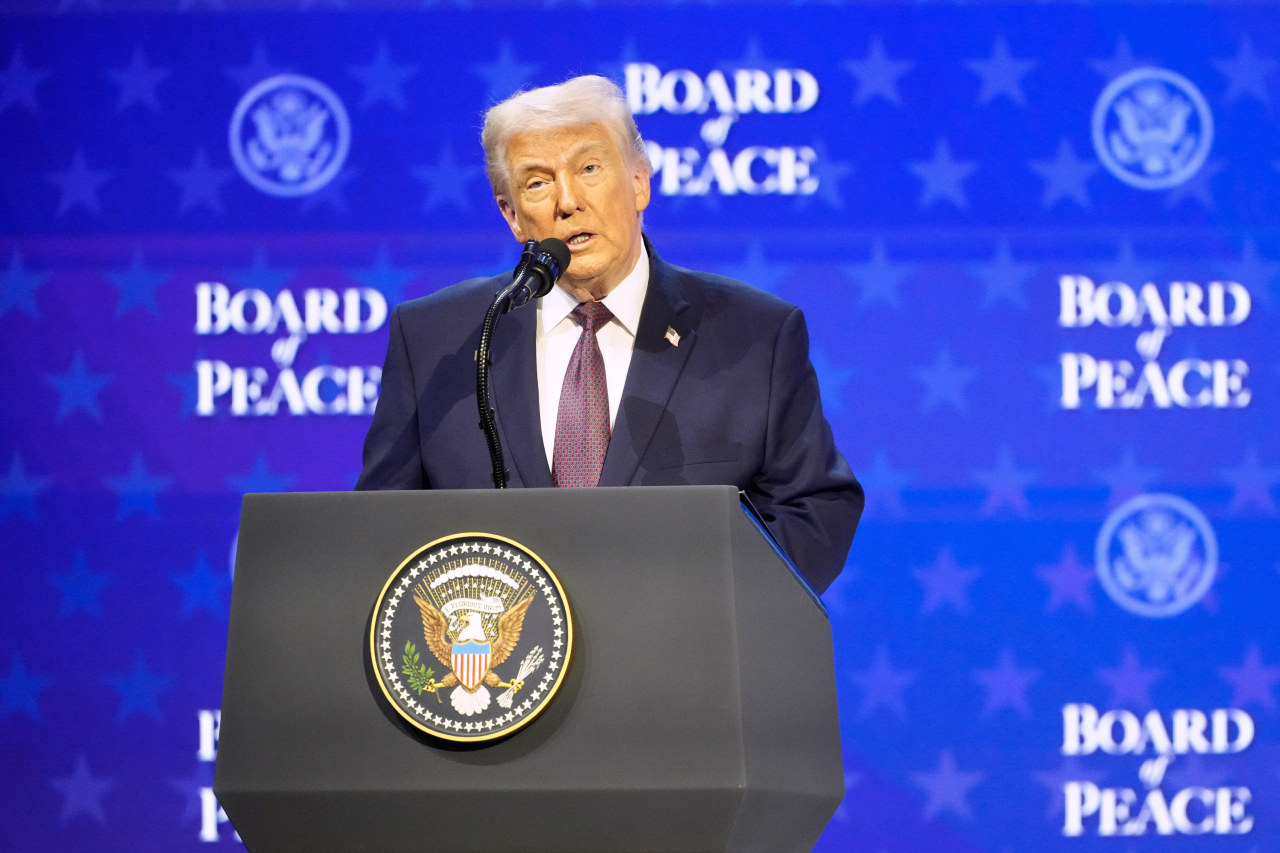
The political landscape in the United States remains charged as former President Donald Trump continues to generate controversy. His actions serve not only to draw attention but also to reshape the narrative around his potential candidacy for the 2024 presidential election. Trump’s tendency to create drama appears to stem from a deep-seated discomfort with silence and stability, leading to an ongoing cycle of heightened tensions.
Recently, Trump utilized social media platforms to criticize the current administration, particularly targeting President Joe Biden‘s policies. His attacks often resonate with segments of the population who feel disillusioned by the government. In doing so, Trump manages to maintain a significant presence in political discussions, even as he faces mounting legal challenges, including investigations related to the events of January 6, 2021.
The former president’s approach can be seen as a calculated strategy to keep himself relevant. By inciting controversy, he diverts attention from potential vulnerabilities. His interactions with media outlets like Fox News amplify this effect, as they often provide him with a platform to voice his grievances and rally his base. This dynamic illustrates how Trump leverages media narratives to strengthen his position within the Republican Party and among voters who may be undecided.
As the 2024 election cycle approaches, the impact of Trump’s tactics will become increasingly significant. His ability to command attention and influence public opinion can shape the direction of the Republican Party. Observers note that while some party members advocate for a more moderate approach, Trump’s brand of politics remains compelling for many supporters.
Trump’s actions also reflect broader trends within American politics, where polarization has become the norm. In a climate where silence is often interpreted as weakness, Trump’s insistence on stirring the pot resonates with those who feel that political discourse has become stale. His willingness to confront opponents directly and challenge established norms is a hallmark of his political identity.
In contrast, the Biden administration faces its own challenges in fostering unity and stability. As Trump continues to generate headlines, the response from the Democratic Party will be crucial. How they navigate the tumultuous political climate could significantly influence their standing in the upcoming elections.
The cycle of drama initiated by Trump is not solely an issue of personality; it underscores the ongoing tension within American politics. Voters are left to grapple with the implications of a political environment dominated by sensationalism. As the election approaches, the question remains: can the current administration effectively counter this narrative, or will the cycle of drama continue to dictate the political discourse?
In summary, Trump’s penchant for creating drama amidst political uncertainty highlights a profound shift in how political engagement is conducted in the United States. His actions are likely to remain a focal point as the nation approaches the critical 2024 elections, with implications that extend beyond the immediate political landscape.