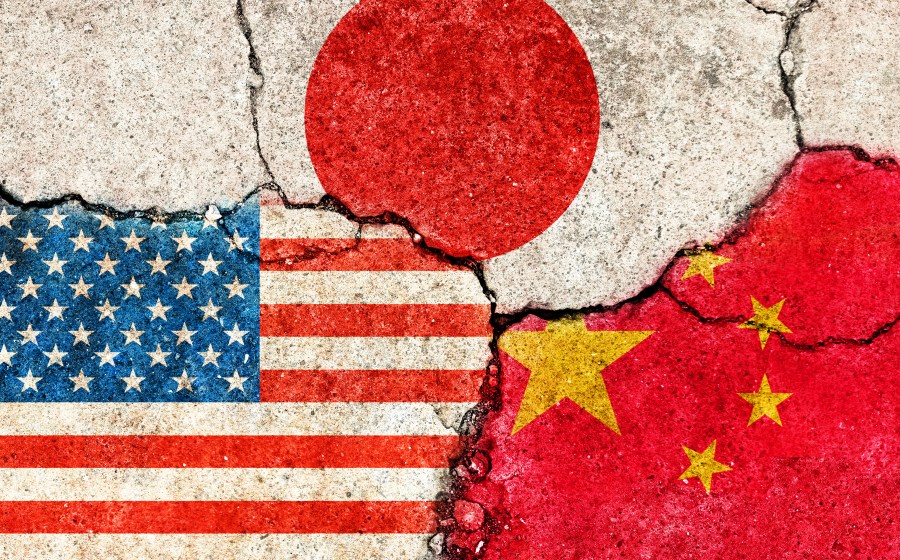
The ongoing trade negotiations between the United States and China have led to heightened tensions, particularly regarding Japan’s request for tariff relief. Following a recent meeting in Tokyo, Japanese officials expressed concern over the U.S. administration’s focus on trade with China rather than addressing pressing issues facing its Asian allies.
Donald Trump has yet to respond to Japan’s calls for tariff relief, potentially jeopardizing economic relations and security commitments in the region. Japanese Prime Minister Fumio Kishida emphasized the necessity for the U.S. to prioritize its allies, stating that the current approach sends a troubling message to Beijing.
Amid these developments, Japan’s economy faces challenges that require urgent attention. The tariffs imposed on Japanese goods have impacted industries ranging from automotive to technology, resulting in significant financial strain. According to the Ministry of Finance, Japan’s exports to the U.S. fell by over 10% in the last quarter, highlighting the urgent need for tariff relief.
Implications for U.S.-Japan Relations
The implications of Trump’s trade policies extend beyond economics. Experts warn that prioritizing trade with China over Japan could weaken the United States’ position in Asia, particularly regarding national security commitments. The National Security Council has voiced concerns that this approach may embolden China’s assertive actions in the region, affecting stability among U.S. allies.
Japan, with its strategic location and robust economy, plays a critical role in the U.S. security framework in Asia. The lack of tariff relief could foster resentment and hinder cooperation on vital issues such as defense and regional security. As Kishida noted, “Our partnership is vital not just for trade but for our mutual security.”
In response to these concerns, U.S. officials have indicated that negotiations regarding tariffs will be revisited. However, no specific timeline has been set for addressing Japan’s requests. This uncertainty has left Japanese officials anxious about the future of U.S.-Japan relations.
Looking Ahead
As Japan continues to navigate the complexities of trade with the U.S., the situation remains fluid. The outcome of these negotiations could shape the economic landscape for both nations, impacting industries and potential collaborations. Furthermore, the ongoing dialogue is critical in determining how the U.S. will approach its relationships with other Asian allies.
The need for timely tariff relief has never been more crucial for Japan. With October 2023 fast approaching, stakeholders are hopeful that the U.S. will prioritize its allies and address the pressing concerns that threaten both economic stability and regional security. In this context, the actions taken by the Trump administration will be pivotal in defining the future of U.S.-Japan relations.