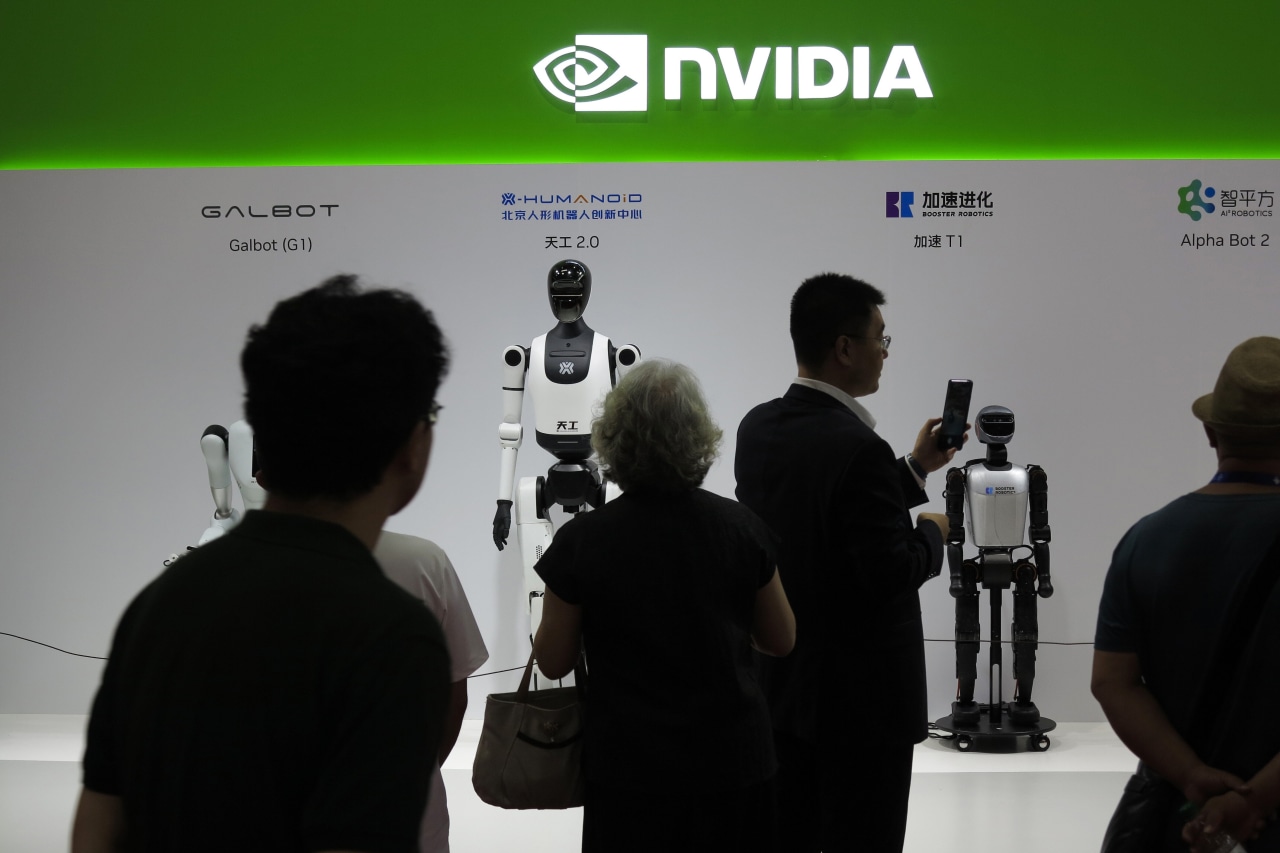
In a significant policy shift, former President Donald Trump has reversed his stance on the export of advanced chips from Nvidia Corporation to China. This decision, made public on October 12, 2023, has the potential to reshape the landscape of the U.S.-China technological rivalry, particularly in the realm of artificial intelligence (AI). Critics argue that this move could inadvertently allow Beijing to accelerate its technological advancements.
The semiconductor industry has been at the forefront of the U.S.-China trade tensions, with both countries vying for dominance in AI technology. Trump’s initial restrictions aimed to limit China’s access to cutting-edge chips, which are essential for AI development. By lifting these restrictions, Trump has opened the door for Chinese companies to acquire sophisticated hardware that could bolster their AI capabilities.
Trump’s decision comes amidst a backdrop of heightened competition between the two nations. According to analysts, the U.S. government had previously imposed stringent regulations on chip exports to China to curb its technological growth. The reversal of these policies raises concerns among U.S. lawmakers and tech experts who fear it may assist China in narrowing the technological gap.
The implications of this policy change extend beyond immediate market reactions. Many in the tech industry believe that access to advanced chips will enable Chinese firms to enhance their AI research and development. This could lead to breakthroughs in various sectors, including healthcare, finance, and manufacturing, potentially giving China a competitive edge.
In the wake of Trump’s announcement, Nvidia shares experienced volatility, reflecting investor uncertainty about the future of U.S.-China relations. The company, which specializes in graphics processing units (GPUs) essential for AI applications, saw its stock price fluctuate as analysts assessed the long-term consequences of increased competition from China.
While Trump’s supporters view this decision as a means to foster economic growth and create jobs, critics argue that it could undermine U.S. national security. Concerns center around the potential dual-use nature of the technology, where advancements in AI could also be applied to military applications, further complicating the geopolitical landscape.
As the U.S. moves forward with this new policy, the response from China remains to be seen. Beijing has been investing heavily in its semiconductor industry, aiming for self-sufficiency in technology. With enhanced access to advanced chips, Chinese firms could accelerate their research and potentially lead to innovations that challenge U.S. dominance in the global market.
The ramifications of Trump’s decision will likely unfold in the coming months as stakeholders from both nations navigate this evolving landscape. The U.S.-China technological competition is not only a matter of economic interest but also of strategic importance, impacting global supply chains and international relations.
In conclusion, Trump’s U-turn regarding Nvidia chips presents significant challenges and opportunities. As both countries continue to vie for supremacy in AI, the balance of power in the tech industry may shift, underscoring the importance of strategic policy decisions in an increasingly interconnected world.