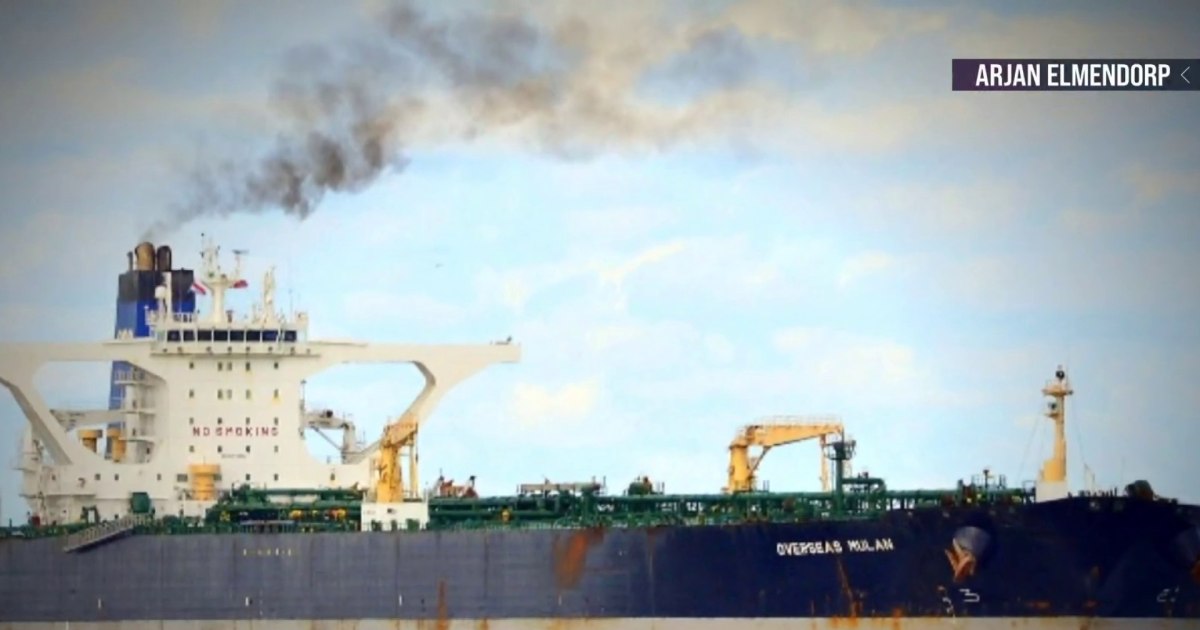
The U.S. Coast Guard is currently engaged in an active pursuit of a sanctioned vessel located in international waters off the coast of Venezuela. This operation comes as part of ongoing efforts to enforce maritime law and uphold international sanctions. According to two U.S. officials familiar with the situation, the vessel’s identity has not been disclosed.
The pursuit began on December 22, 2025, highlighting the U.S. government’s commitment to monitoring and controlling activities that violate sanctions imposed on certain entities. The Coast Guard has increased its presence in the region, which has historically been a focal point for illicit maritime activities.
Background on Sanctions and Maritime Law
Sanctions against Venezuela have been imposed primarily due to concerns over human rights abuses and other violations of international law. The U.S. government has designated several vessels as sanctioned, making them subject to interception and seizure. The enforcement actions aim to disrupt any potential trafficking or smuggling operations that could aid sanctioned individuals or entities.
The Coast Guard’s operations are part of a broader strategy to enhance security in international waters. This pursuit underscores the importance of international collaboration in enforcing maritime law and addressing illicit activities that threaten regional stability.
Implications of the Pursuit
The active pursuit of this vessel carries significant implications for U.S.-Venezuela relations, as well as for maritime security in the region. Should the Coast Guard successfully intercept the vessel, it may lead to further diplomatic tensions and discussions surrounding the enforcement of sanctions.
Officials have emphasized the necessity of adhering to international laws while conducting these operations. As the situation develops, the U.S. Coast Guard is expected to release further updates regarding the status of the pursuit and any actions taken against the sanctioned vessel.
This ongoing engagement demonstrates the U.S. commitment to maintaining order in international waters and enforcing the rule of law against those who defy sanctioned restrictions. The outcome of this operation could have lasting effects on future maritime enforcement operations and international relations in the region.