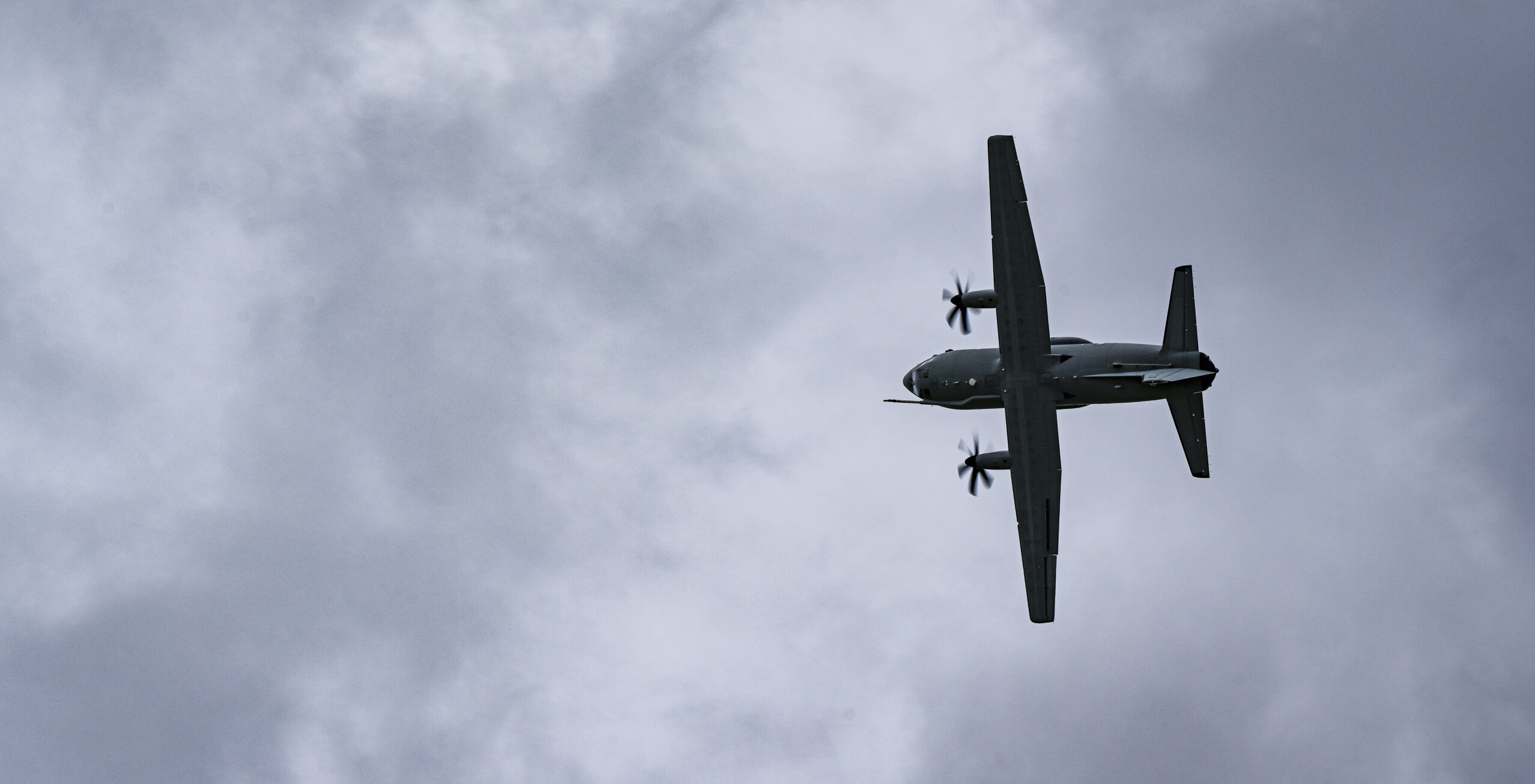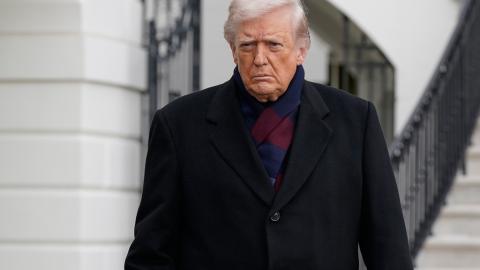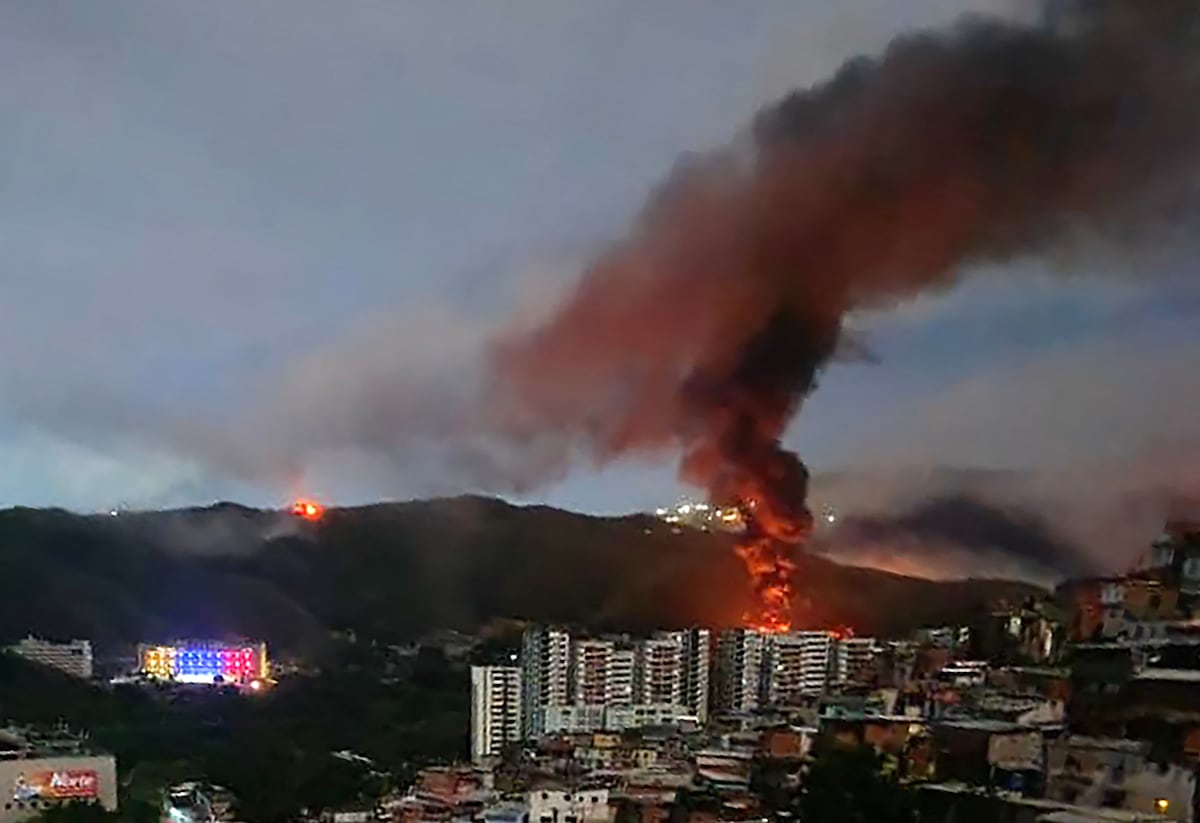
The U.S. military executed a highly coordinated operation over the weekend, successfully capturing Venezuelan leader Nicolás Maduro and his wife, Cilia Flores, from their Caracas compound. This complex mission, known as Operation Absolute Resolve, involved the rapid deployment of over 150 aircraft from 20 bases across the region. According to U.S. officials, the operation was authorized by President Donald Trump and executed in less than five hours.
The mission relied heavily on precise intelligence gathered over months. General Dan Caine, chairman of the Joint Chiefs of Staff, indicated that tracking Maduro’s daily movements—ranging from his travel habits to personal details—was crucial. Caine stated that the capture would not have been possible without the collaboration of various intelligence agencies, including the Central Intelligence Agency (CIA), the National Security Agency (NSA), and the National Geospatial-Intelligence Agency.
Detailed Planning and Execution
Defense experts noted that unlike past military interventions, this operation was marked by its surgical precision. Carlton Haelig, a fellow at the Center for a New American Security, described it as “surgical,” emphasizing the careful planning that went into minimizing risks while maximizing effectiveness. The operation showcased an advanced understanding of contemporary military tactics, contrasting with older, more forceful regime-change efforts.
The intelligence-gathering process for such missions is continuous, as noted by Adam Taichi Kraft, a former intelligence strategist. He stated, “Intelligence collection is going on 24/7, all around the world.” This relentless surveillance encompasses both physical and digital behavior, allowing for a comprehensive understanding of high-value targets.
Among the preparations, reports indicate that the U.S. Army’s elite Delta Force practiced extraction scenarios using a replica of Maduro’s compound. Although details regarding specific military units involved remain undisclosed, it is believed that specialized forces were essential for the mission’s success.
Challenges and Execution Under Pressure
Despite meticulous planning, operations of this scale come with inherent uncertainties. Haelig warned that shifting air defenses and unforeseen threats could pose significant risks. The final decision to proceed with the operation hinged on favorable weather conditions, which had delayed the mission for several days.
At approximately 10:46 PM Eastern Standard Time on January 2, Trump authorized the mission. The aircraft launched under the cover of darkness, with helicopters flying low over the water to avoid radar detection. Caine noted that the force maintained the element of surprise until they reached Maduro’s compound, where a firefight occurred.
By 3:29 AM, the extraction team successfully left the compound with Maduro and Flores, who are now facing federal criminal charges in New York. In a statement to the press, Trump remarked that Maduro was taken by surprise in what he described as “a house that was more like a fortress than a house.”
As the operation concluded, Defense Secretary Pete Hegseth revealed that nearly 200 Americans were on the ground during the operation, though specifics on whether they were soldiers or support personnel were not provided. The Pentagon has declined to comment on the involvement of special operations forces, citing operational security.
This operation exemplifies the evolving nature of military tactics and intelligence in high-stakes international scenarios, illustrating how modern warfare increasingly relies on precision and detailed planning rather than sheer force.