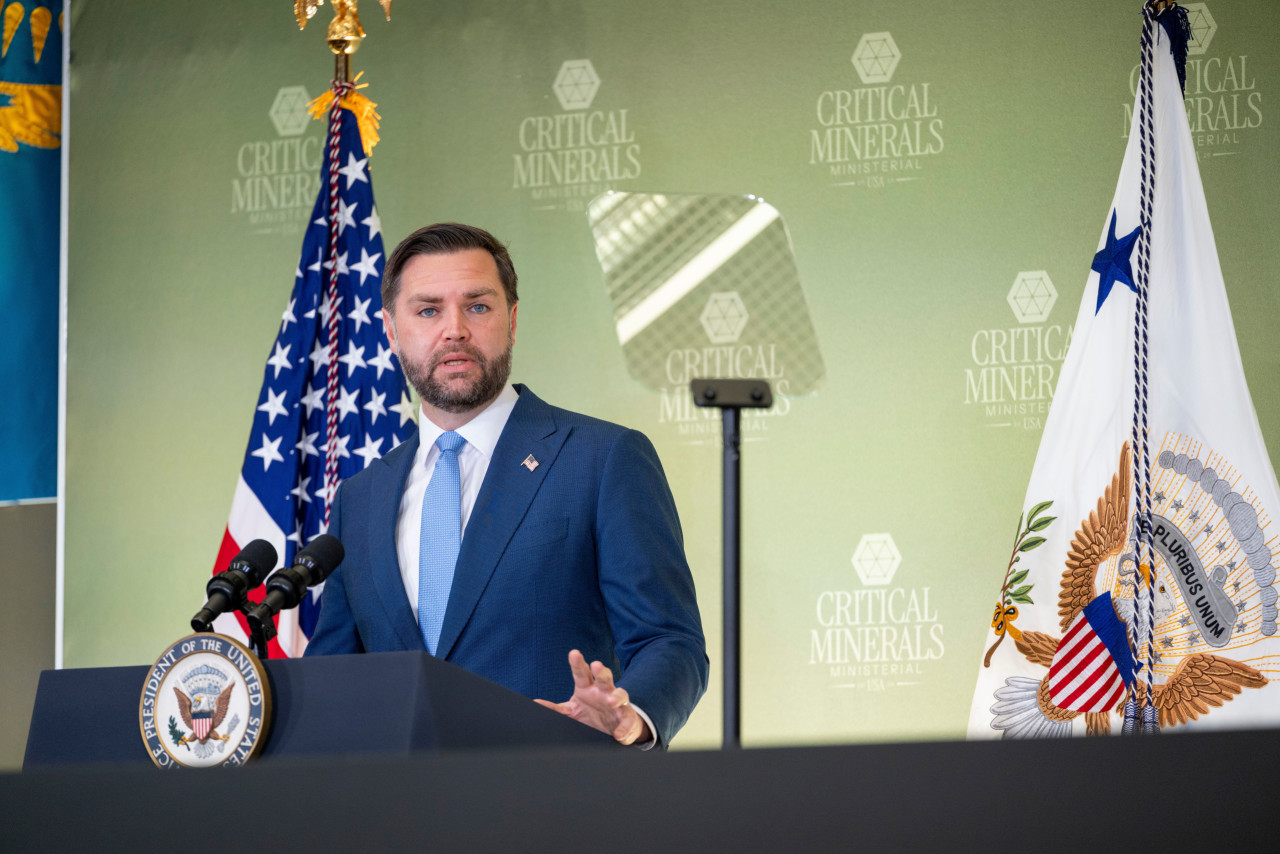
The United States has announced a series of strategic agreements with Mexico, the European Union, and Japan aimed at establishing a “preferential trade zone” to counter China’s significant dominance in the minerals sector. This initiative, revealed in October 2023, seeks to enhance collaboration among these nations to secure access to critical minerals essential for advanced technologies and clean energy.
The agreements focus on cooperative efforts in mining, processing, and recycling of minerals such as lithium, cobalt, and rare earth elements. These materials are increasingly vital for manufacturing batteries, electronics, and renewable energy technologies, all of which play a crucial role in the transition to greener economies. As demand for these minerals rises, the U.S. aims to reduce its reliance on China, which currently supplies over 80% of the world’s rare earth elements.
Strategic Partnerships to Secure Resources
In a joint statement, U.S. Secretary of Commerce, Gina Raimondo, emphasized the importance of these partnerships. “By working together, we can ensure a more resilient supply chain that meets the demands of the future,” she stated. The collaborations with Mexico, the EU, and Japan mark a significant shift in U.S. trade policy, focusing on building strong alliances to secure critical resources.
The agreements will involve shared investments in mining infrastructure and technology. For instance, the U.S. plans to leverage Mexico’s rich mineral deposits to create a more integrated supply chain that lessens the dependency on Chinese imports. This strategic move is expected to foster job creation and stimulate economic growth in both the U.S. and its partners.
Addressing Supply Chain Vulnerabilities
The recent global disruptions in supply chains have highlighted the vulnerabilities associated with over-reliance on a single country for essential materials. In light of this, the U.S. is advocating for a diversified approach to sourcing minerals. The trade zone initiative is designed to establish clear regulatory frameworks that facilitate easier and more efficient trade in these critical commodities.
In addition to addressing supply chain challenges, the agreements also aim to promote sustainable practices in mineral extraction and processing. Leaders from the participating nations have committed to adhering to high environmental standards and engaging in responsible sourcing practices. This focus on sustainability aligns with global efforts to combat climate change and reduce carbon footprints.
While the agreements are still in the early stages of implementation, the collaborative approach signals a robust commitment from the U.S. and its allies to enhance their collective position in the global minerals market. As the U.S. continues to engage with Mexico, the EU, and Japan, the outcome of these partnerships could reshape the minerals landscape significantly, creating a more balanced and resilient supply chain that benefits all parties involved.
The ongoing negotiations and developments within this framework will be closely monitored, as the outcomes hold the potential to influence not only economic relations but also geopolitical dynamics in the region and beyond.