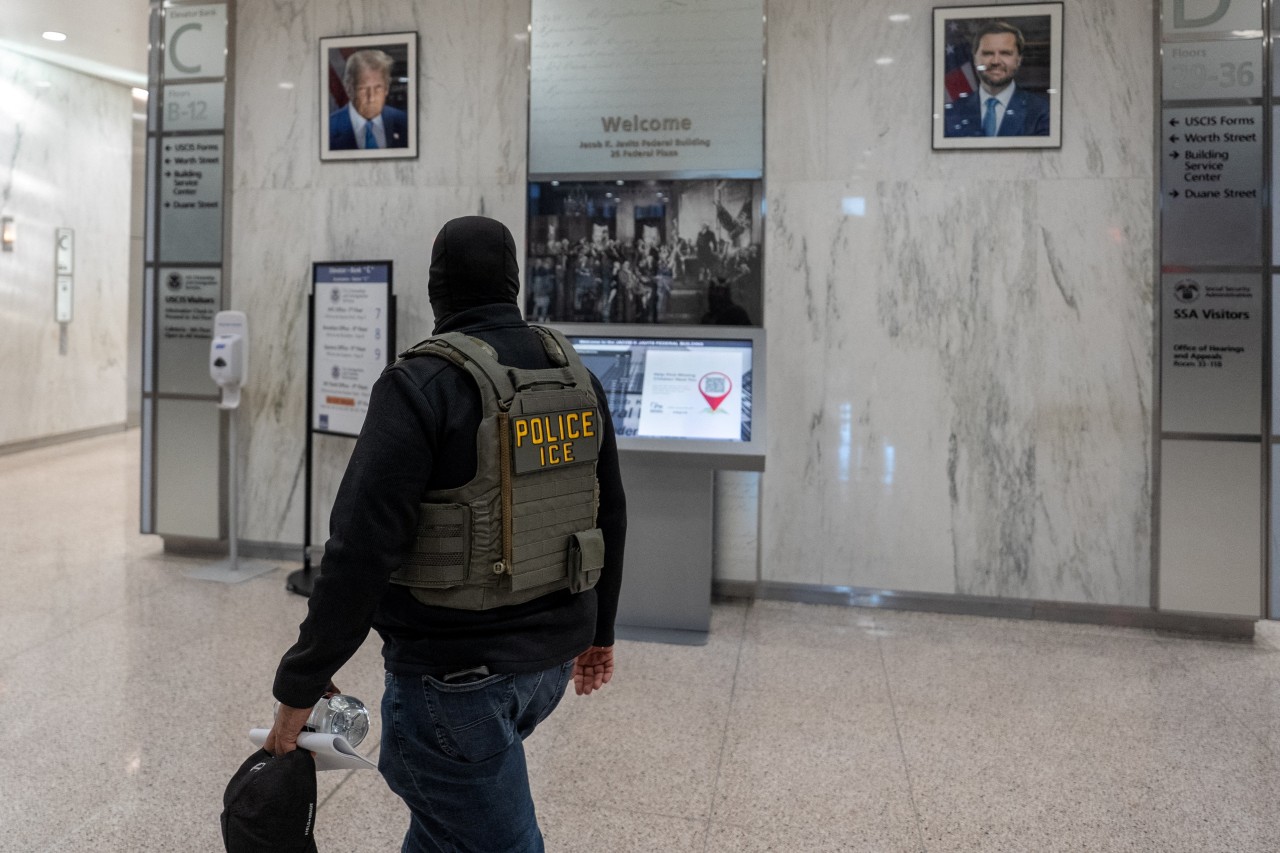
Heng Guan, a Chinese national known for documenting the treatment of Uyghurs in Xinjiang, is currently in the custody of U.S. Immigration and Customs Enforcement (ICE). His immigration hearing is scheduled for March 25, 2024, which could result in his removal from the United States and potential repatriation to China, according to his legal representation and a New York-based activist organization.
This case has raised significant concerns regarding the safety and treatment of individuals who speak out against human rights abuses. Guan’s detention has been criticized by human rights advocates, who argue that returning him to China could expose him to severe repercussions for his activism.
ICE has not publicly commented on the specifics of Guan’s case, but his lawyer asserts that he has a strong claim for asylum based on his documented experiences and the risks he faces if sent back to China. The activist group aiding Guan, which operates out of New York, has mobilized support, calling for his release and highlighting the broader implications of his potential removal.
Guan’s situation underscores the tension surrounding U.S. immigration policies, particularly concerning individuals who have faced persecution for their political beliefs or ethnic backgrounds. The Uyghur population in China has faced increasing scrutiny and harsh treatment, with reports of mass detentions and human rights violations coming to light over the past few years.
Advocates for Guan emphasize the need for the U.S. to uphold its commitment to protecting human rights and providing refuge to those at risk of persecution. They contend that the outcome of his hearing could set a precedent for future cases involving activists and dissidents fleeing oppressive regimes.
In the lead-up to the hearing, a coalition of human rights organizations continues to advocate for Guan, asserting that his contributions to documenting the plight of the Uyghurs are vital to raising global awareness about ongoing abuses. The coalition is urging the U.S. government to consider the implications of Guan’s case, not only for his safety but also for the message it sends to others who might seek sanctuary in the U.S.
As the date of the hearing approaches, supporters are encouraged to participate in demonstrations and campaigns aimed at bringing attention to Guan’s plight. The outcome of this case may resonate beyond Guan himself, impacting the broader discourse on immigration and human rights in the United States.
The implications of this case may reverberate throughout the international community, particularly among those closely monitoring China’s treatment of ethnic minorities. As Guan awaits his fate, the world watches closely, underscoring the vital intersection of immigration policy, human rights, and international relations.