The successful capture of Venezuelan President Nicolas Maduro on January 3, 2024, was bolstered by critical support from space and cyber operations, according to the U.S. military. U.S. Space Command (SPACECOM) emphasized that space capabilities were vital for ensuring the mission’s success during a press briefing. A spokesperson for SPACECOM stated that spacepower underpins military operations by enhancing communication, navigation, and overall maneuverability.
A key aspect of the operation involved the military tactic known as “overwatch,” where units provide protection and intelligence for those executing an attack. This support includes identifying enemy positions and offering covering fire. While details of the operation remain classified for security purposes, the spokesperson reaffirmed that space-based technologies are foundational for all modern military activities.
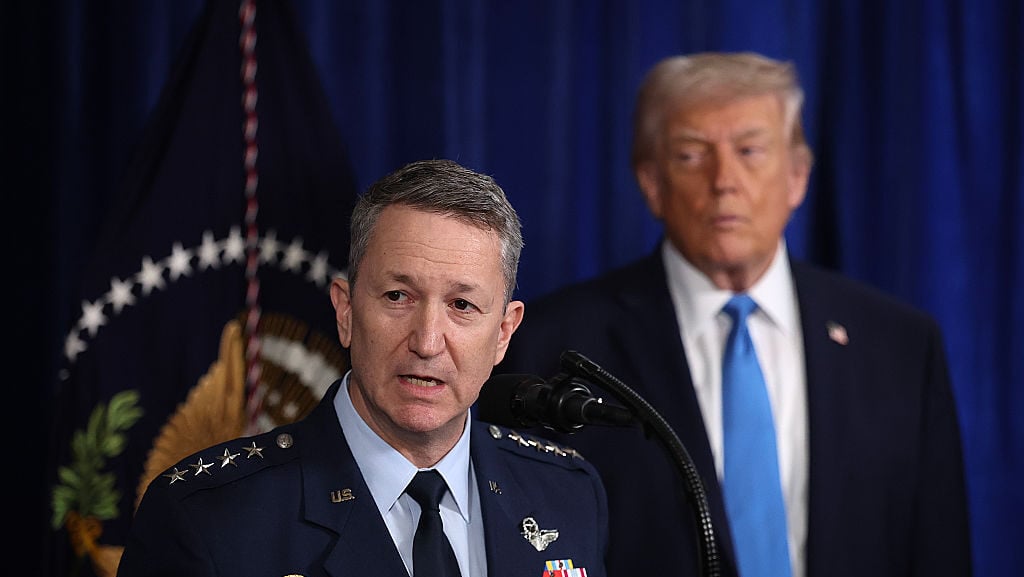
General Dan Caine, Chairman of the Joint Chiefs of Staff, highlighted SPACECOM’s role during a press conference with U.S. President Donald Trump. He explained that a coordinated effort among SPACECOM, U.S. Southern Command, and U.S. Special Operations Command established a pathway for the extraction forces as they approached Venezuelan shores, flying at low altitudes.
Enhanced Coordination and Space Integration
Former SPACECOM deputy John Shaw described the increasing integration of space operations into joint military efforts. He noted that recent missions, including Operation Absolute Resolve and last year’s Midnight Hammer, demonstrated a high level of coordination among various command units. Shaw remarked, “The integration of space into joint warfighting has reached a new apogee,” indicating a significant evolution in operational capabilities.
Military experts believe that such successful operations are indicative of a growing maturity in how space capabilities are utilized across different combatant commands. According to Todd Harrison, a senior fellow at the American Enterprise Institute, SPACECOM’s support functions are crucial for the planning and execution of military missions, even if their specific involvement often goes unrecognized.
Harrison elaborated that SPACECOM likely established secure satellite communications (SATCOM) links and monitored for any potential GPS jamming during the operation. He also pointed out the significant role of the National Reconnaissance Office (NRO) and the National Geospatial-Intelligence Agency (NGA) in providing critical intelligence and mapping for the operation, ensuring the extraction forces were well-prepared.
Cyber Operations in the Mission
During the same press conference, General Caine indicated that non-kinetic tactics were employed by U.S. Cyber Command (CYBERCOM) to neutralize Venezuelan defenses. President Trump mentioned that “the lights of Caracas were largely turned off,” implying a strategic cyber initiative to disrupt communications and hinder response capabilities in the region.
While specific details about CYBERCOM’s operations were not disclosed, experts suggest that their tactics could have included actions to affect the power grid and internet access in Caracas. Emily Harding, vice president of the defense and security department at the Center for Strategic and International Studies (CSIS), commented on the effectiveness of modern cyber warfare, noting that these methods allow the U.S. military to operate under the cover of darkness.
Former NGA chief technology officer Anthony Vinci supported this view, speculating that CYBERCOM could have executed offensive strategies to disable the power grid. He highlighted that such infrastructure disruption is becoming a standard consideration in contemporary warfare.
Analysts from CSIS, including Lauryn Williams and Taylar Rajic, noted that Caine’s remarks suggested a combination of operations led to suppressed air defenses and disrupted communications in Venezuela. They emphasized that the U.S. military should expect adversaries, such as China and Russia, to study these tactics closely, as they may apply similar strategies in future conflicts.
The implications of these operations indicate a significant shift in military strategy, where cyber and space capabilities are increasingly interwoven into the fabric of military planning and execution. As the U.S. continues to adapt to evolving threats, the integration of these technologies may redefine the landscape of modern warfare.