The International Court of Justice (ICJ) in The Hague has commenced hearings to determine whether Myanmar is responsible for genocide against the Rohingya ethnic minority. This significant legal proceeding began on November 20, 2023, following a case initially filed by Gambia in 2019.
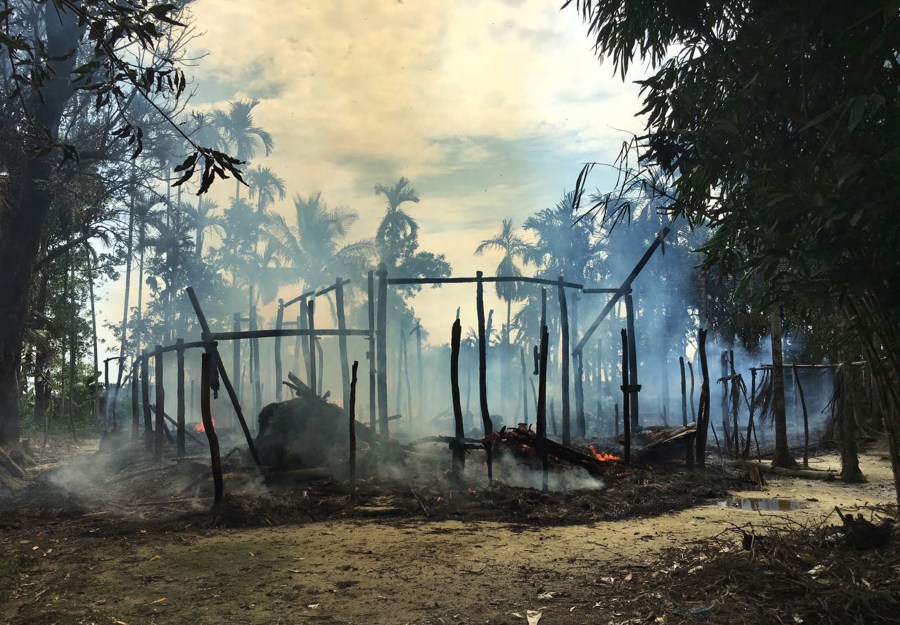
The case brings to light allegations that Myanmar’s military has committed severe human rights violations against the Rohingya, including mass killings, sexual violence, and the destruction of properties. The Rohingya, a predominantly Muslim ethnic group, have faced systematic persecution in Myanmar, leading to a large-scale exodus to neighboring Bangladesh and other countries.
Background of the Case
Gambia’s legal action was supported by the Organization of Islamic Cooperation (OIC), which represents over 50 Muslim-majority countries. The nation argued that Myanmar’s actions violate the Genocide Convention, a treaty established to prevent such atrocities. Gambia asserts that the evidence of genocidal acts is overwhelming and demands accountability for the alleged crimes against humanity.
The hearings are expected to last several days, during which Myanmar will have the opportunity to respond to the charges. This case marks a critical moment for international justice and the protection of human rights, particularly for the Rohingya, who have long been marginalized in Myanmar.
International Response and Implications
The international community has closely monitored the situation in Myanmar, particularly following the military coup in February 2021, which further exacerbated the crisis for the Rohingya. The United Nations and various human rights organizations have condemned the treatment of the Rohingya, calling for urgent action and accountability.
As the hearings unfold, the implications for Myanmar could be significant. A ruling against the country could pave the way for reparations and international sanctions, further isolating the military-led government. Additionally, the outcome may influence ongoing discussions regarding humanitarian assistance and refugee support for the Rohingya population.
“We hope that this court will deliver justice for the victims and hold those responsible accountable for their actions,” stated a representative from Gambia.
The hearings at the ICJ symbolize a pivotal moment in the global fight against genocide and highlight the importance of international legal frameworks. As the world watches, the pursuit of justice for the Rohingya remains a pressing concern, underscoring the need for collective action to prevent future atrocities.