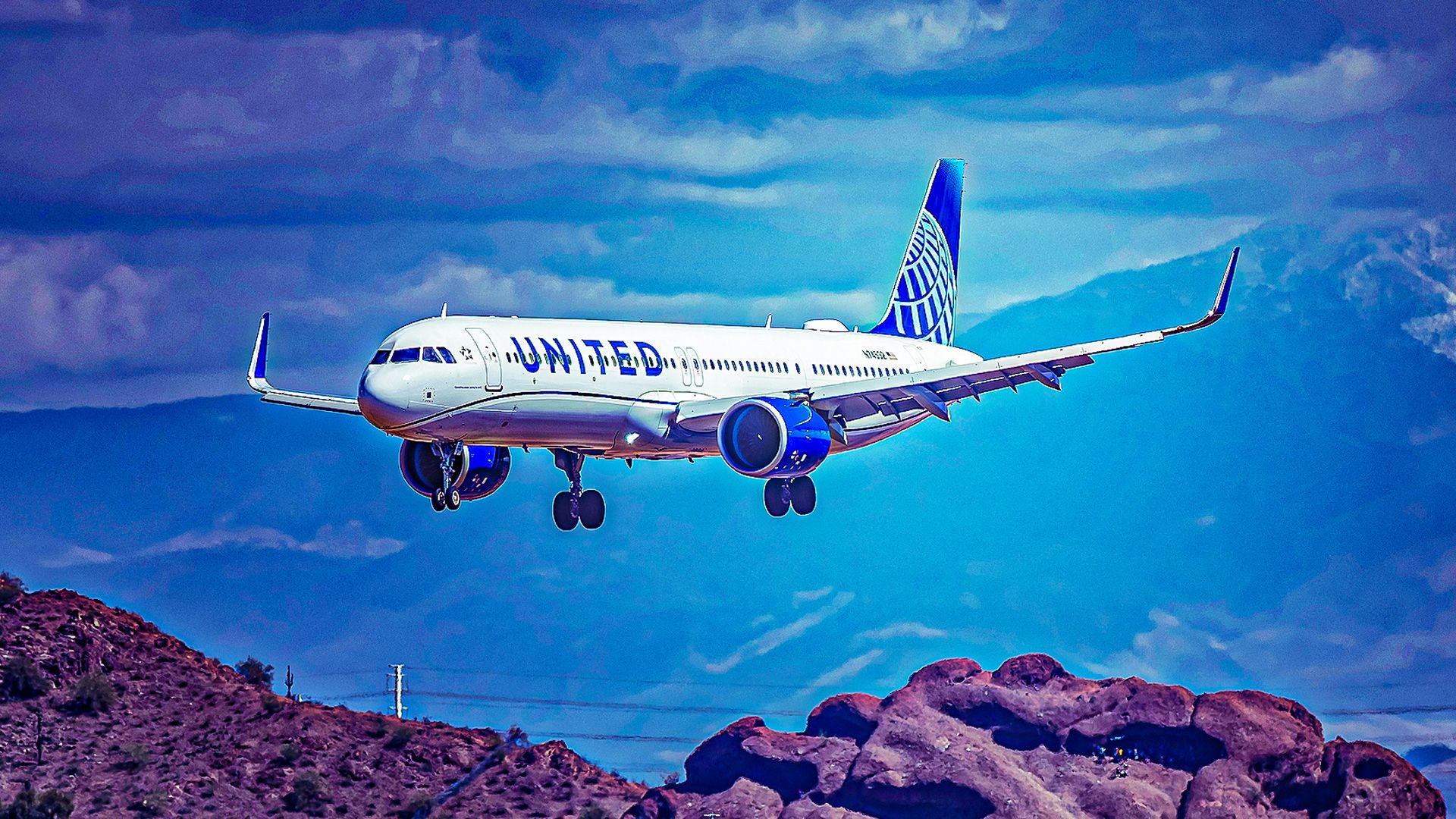
Brazil’s antitrust regulator, CADE, has approved United Airlines’ plan to increase its investment in Azul Linhas Aéreas, a Brazilian airline currently undergoing bankruptcy proceedings. The airline will receive a significant boost of $100 million, which will expand United’s economic interest in Azul from approximately 2% to 8%. This investment aims to strengthen United’s foothold in the Brazilian market as Azul restructures its operations.
The decision by CADE comes amid Azul’s ongoing efforts to recover from financial turmoil. Earlier this summer, a U.S. court validated the airline’s restructuring plan, which includes a strategy to reduce its debt burden by more than $2 billion. United’s increased stake reflects its long-standing partnership with Azul, which has been in place since 2014.
Regulatory Approval and Market Dynamics
United’s investment received unconditional approval from Brazilian authorities, who concluded that it would not threaten fair competition within the industry. CADE noted that the decision was made after a brief deliberation period of just 15 days. Critics, such as Brazil’s IPS Consumo, have expressed concerns regarding the thoroughness of CADE’s analysis, particularly the lack of detailed examination of competitive implications.
Azul, the third-largest airline in Brazil, operates an extensive network serving around 150 destinations with a fleet of over 170 aircraft. The airline’s restructuring efforts are critical as it seeks to stabilize its financial situation following its Chapter 11 filing in May 2025.
American Airlines has also shown interest in Azul, signaling plans for a similar investment. However, American’s existing relationships with GOL, a rival Brazilian airline, may complicate its potential involvement with Azul.
Financial Challenges and Recovery Plans
The COVID-19 pandemic severely impacted many South American airlines, including Azul. The carrier faced considerable financial strain, accumulating substantial debt and dealing with high leasing costs compounded by a reliance on the U.S. dollar. Azul’s bankruptcy filing highlighted these challenges and emphasized the need for a significant capital injection to facilitate its recovery.
To support its emergence from Chapter 11, Azul plans a public equity offering estimated at around $650 million. If successfully executed, this move will enhance the airline’s equity position and help streamline its financial obligations. Analysts predict that Azul could exit bankruptcy by the first quarter of this year, with a projected 60% reduction in its debt.
Discussions about a potential merger with GOL were previously on the table but were officially terminated a few months ago, as Azul opted for an independent restructuring path.
As Azul navigates its financial recovery, United Airlines is strategically positioning itself to capitalize on the Brazilian carrier’s domestic presence and network. The partnership allows United to offer increased connectivity for its customers to a wide array of Brazilian cities while Azul benefits from access to United’s extensive long-haul routes to the U.S., Europe, and Asia.
With both United and American Airlines eager to invest, the future of Azul will depend on its ability to successfully restructure and regain market confidence. As the airline industry continues to evolve, this investment underscores the competitive dynamics at play within the Latin American aviation market.