A notable incident involving United Airlines has garnered attention after television news anchor Gayle King expressed her frustration over a missing window in her allocated window seat during a long-haul flight. King was traveling from Maui to New York City on January 3, 2024, when she discovered that her seat, 18L, was a “window seat” in name only.
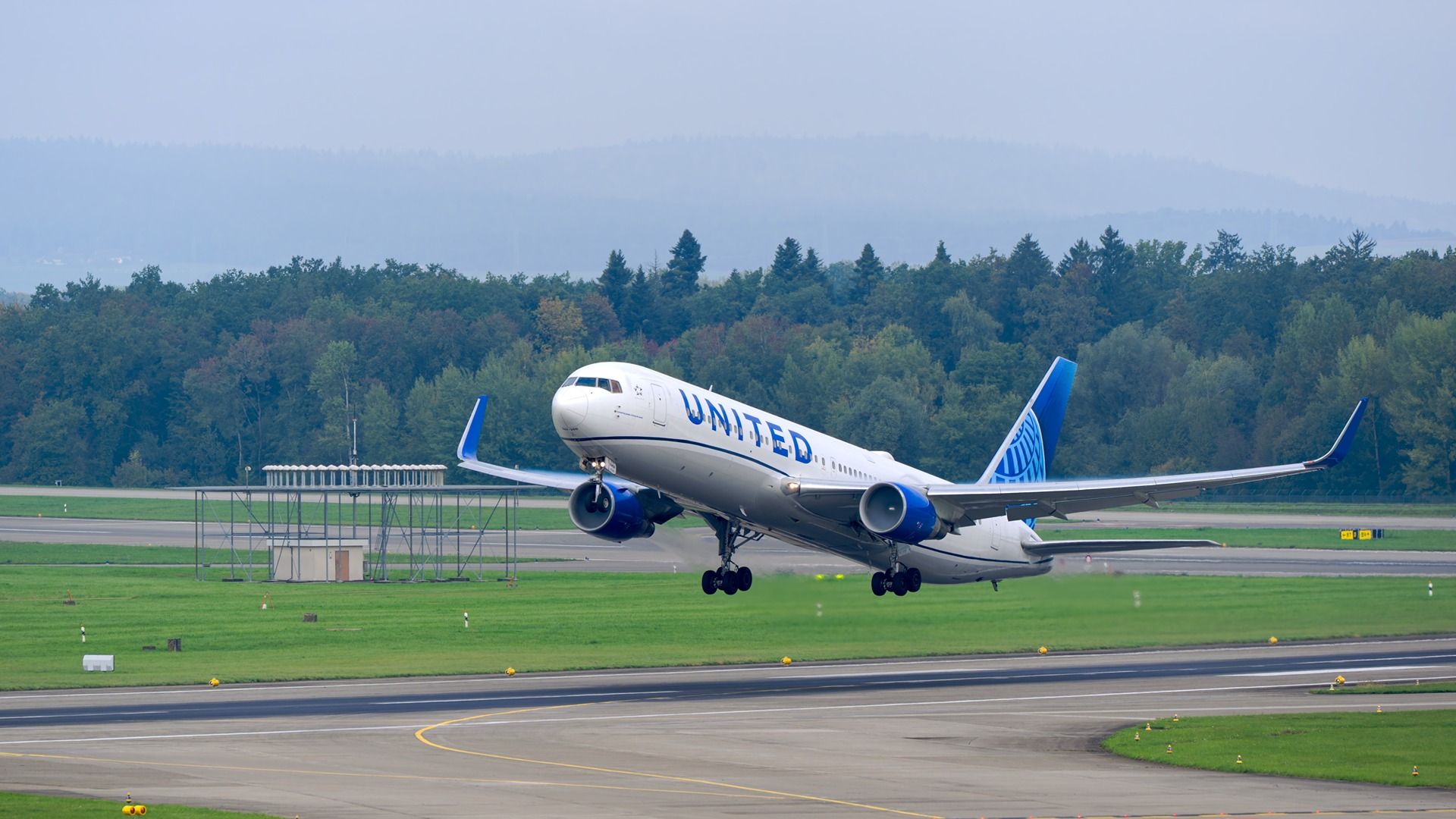
The flight, designated UA441, was operated on a Boeing 767-300ER and was intended to provide passengers with a comfortable journey. However, King took to her Instagram account to voice her disappointment, stating, “When is a window seat not a window seat? C’mon @united!” She noted that the flight attendant confirmed her seat did not have a window, an observation he claimed he had never encountered before.
Flight Details and Passenger Experience
The non-stop flight departed from Kahului Airport (OGG) at 11:04 PM local time, approximately 34 minutes behind schedule, and arrived at Newark Liberty International Airport (EWR) at 12:37 PM the following day. The total flight time was just over eight hours, and despite the initial delay, the airline managed to arrive 32 minutes ahead of its scheduled arrival time of 1:09 PM.
King, who was allocated to Boarding Group 1, likely boarded early due to her status as a member of United Polaris class. This group is reserved for premium members, ensuring a smoother boarding process. The aircraft, identified by its registration number N673UA, has been in service since January 11, 2000, and features a configuration that accommodates 167 passengers across three classes.
While it is recognized that not all “window” seats provide a view outside, this aspect can lead to confusion among passengers. In aviation, a window seat typically refers to its location on the side of the aircraft, but not all seats align with actual windows. In this case, King’s seat did not offer the expected view, especially crucial for a flight taking place overnight.
Aircraft Specifications and Industry Insights
The specific Boeing 767-300ER aircraft at the center of this incident has been configured to serve a total of 46 United Polaris seats, 22 United Premium Plus seats, and 99 Economy seats. Despite its age, the aircraft continues to be a vital part of United Airlines’ fleet, which includes 37 such planes, with 24 featuring a premium-heavy configuration.
According to data from Flightradar24, the aircraft spent the majority of its flight at approximately 39,000 feet. While King’s experience highlights a potential oversight in seat allocation, it should be noted that passengers in similar situations may still enjoy the same level of service and amenities, including meals and entertainment, throughout their journey.
This incident serves as a reminder for both airlines and passengers about the importance of clear communication regarding seat characteristics, particularly as travel resumes to pre-pandemic levels. United Airlines has yet to respond publicly to the backlash prompted by King’s social media post, but it underscores the ongoing challenges airlines face in meeting customer expectations.
As air travel continues to evolve, ensuring passenger satisfaction remains a critical focus for airlines worldwide.