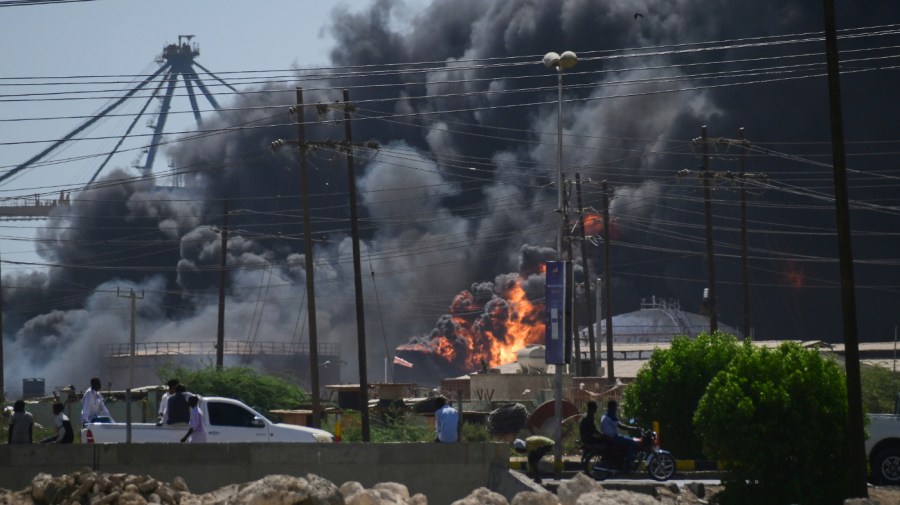
The situation in Sudan has deteriorated significantly, prompting urgent calls for action to avert the potential for genocide. As of July 2023, the United States and the international community face a more challenging landscape in addressing the ongoing violence and humanitarian crisis.
The conflict, which has its roots in longstanding political and ethnic tensions, has escalated into widespread violence against civilians. Reports indicate that thousands have been killed, and millions are displaced. According to the United Nations, over 4 million people have fled their homes since the beginning of the conflict, with many seeking refuge in neighboring countries.
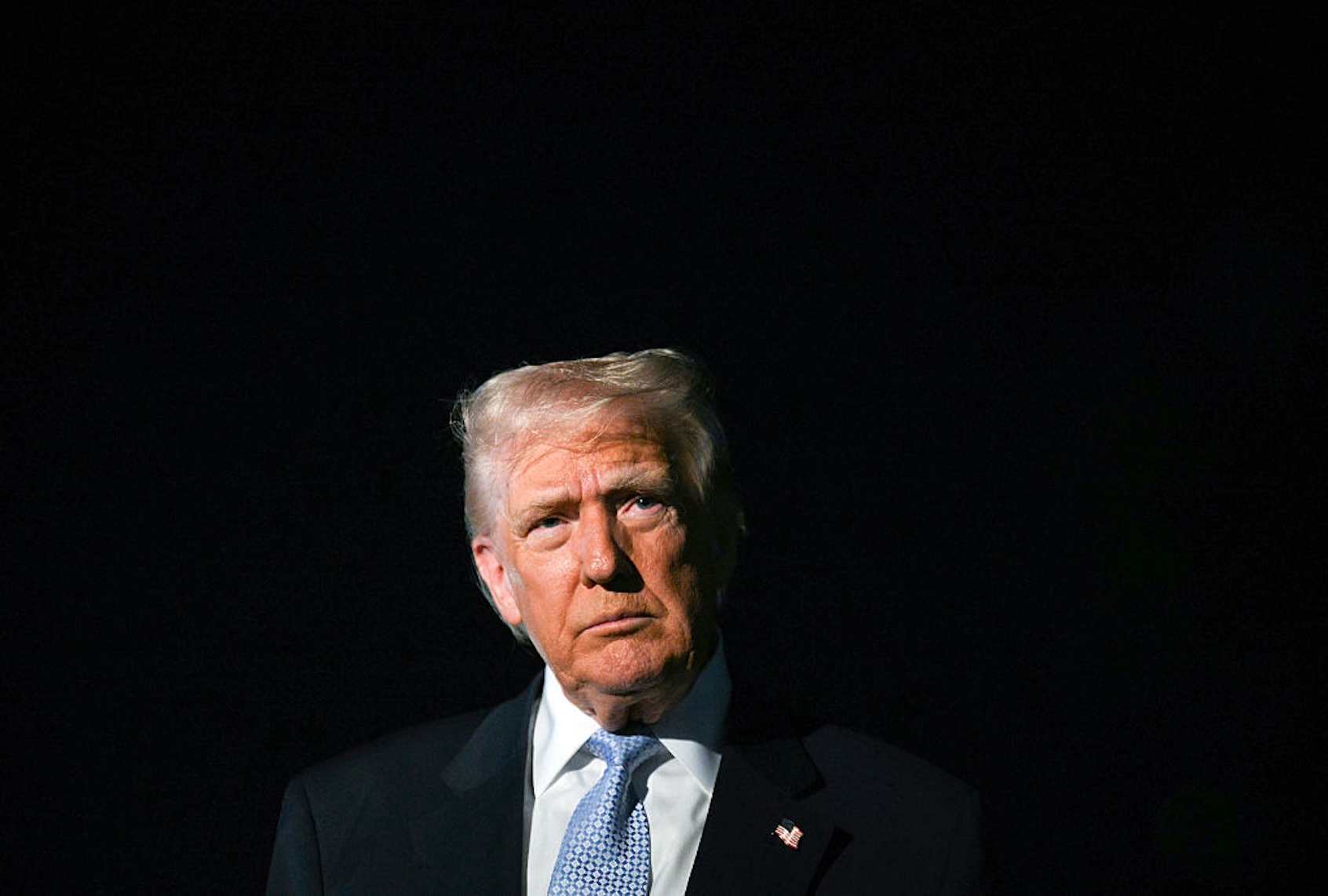
Donald Trump, who was President during a previous crisis in Sudan, is now being urged to leverage his influence to mobilize international efforts. His administration had previously committed to supporting peace initiatives in the region, but recent developments suggest that more decisive actions are necessary. The window for effective intervention is closing rapidly, as the humanitarian situation worsens and the potential for organized mass violence looms larger.
International Response and Challenges
Efforts by the United Nations and the African Union to mediate the conflict have resulted in limited progress. Despite the establishment of peacekeeping forces, the lack of resources and political will has hampered their effectiveness. The international community’s options to prevent genocide are now considerably narrower than they were a year and a half ago when optimism for a peaceful resolution was more palpable.
Funding for humanitarian aid has also seen a sharp decline, making it difficult for organizations on the ground to provide essential services to those affected. The World Food Programme has warned that it may have to cut aid to millions due to insufficient funding. This reduction in support directly contributes to the escalating crisis, as food insecurity and lack of medical supplies become increasingly critical issues.
Additionally, the geopolitical landscape complicates intervention efforts. Relationships between major powers, such as the United States, China, and Russia, can influence the level of support and intervention strategies. The potential for political fallout from military or humanitarian actions adds layers of complexity to the decision-making process.
The Path Forward
To avert a larger tragedy, a multi-faceted approach is essential. Diplomacy must be prioritized, with a renewed commitment to facilitating dialogue between conflicting parties. Strengthening partnerships with regional actors, including the African Union, can help bolster efforts to achieve a ceasefire and initiate peace talks.
Furthermore, increasing humanitarian aid is crucial. Governments and international organizations need to step up funding to ensure that aid reaches those in need without delay. Engaging local communities in the delivery of aid can also enhance effectiveness and build trust among affected populations.
While the challenges are immense, the consequences of inaction are far graver. The international community must act swiftly and decisively to support the people of Sudan. If not, the specter of genocide could become a tragic reality, tarnishing global efforts to uphold human rights and prevent atrocities.
The time for action is now, and it will require the combined efforts of governments, organizations, and individuals committed to fostering peace and security in Sudan.