The United States Air Force (USAF) is currently engaged in a significant modernization effort affecting its aircraft fleet. This initiative aims to upgrade various aircraft, including some that have been in service since the Cold War, as well as the next-generation Air Force One. However, the modernization process is encountering serious challenges, including delays, increased costs, and technical difficulties.
The necessity for modernization arises from rapidly evolving threat environments. As defense analysts have pointed out, the USAF must ensure its aircraft remain relevant against competitors that are advancing their own capabilities. Despite the urgency, many upgrades are taking longer and costing more than anticipated due to several factors.
Understanding the Challenges of Aircraft Upgrades
A major contributor to the delays in aircraft modernization is the age of the airframes. For instance, the B-52 Stratofortress has been operational since 1955. While the airframes are structurally sound, many internal systems are outdated and need extensive redesign to meet current operational demands. The USAF has highlighted that simply replacing old equipment with new technology is not sufficient. It often requires a complete overhaul of existing systems, including avionics and wiring.
Integrating modern technology poses additional challenges. Modern radars and sensors provide enhanced capabilities but require significant alterations to the aircraft’s power and cooling systems, software architecture, and even operational procedures. These changes extend the timeline and increase the risk of complications during testing.
Budget constraints and limited industrial capacity further complicate the modernization landscape. Defense contractors are stretched across multiple high-priority projects, such as bombers, fighters, and aerial refueling aircraft. Global supply chain disruptions have also been a significant hurdle, especially for low-volume military programs that cannot benefit from commercial-scale production.
Key Aircraft and Their Modernization Efforts
The table below outlines some key aircraft undergoing modernization, their roles, and the primary challenges they face:
| Aircraft Platform | Role | First Entered Service | Major Upgrade Focus | Primary Challenge |
|————————-|———————|———————–|—————————————-|————————————————–|
| B-52 Stratofortress | Strategic bomber | 1955 | Radar (AESA), avionics, engines | Age of airframe and internal redesign needs |
| B-1B Lancer | Long-range bomber | 1986 | Avionics, weapons integration | Aging systems nearing retirement |
| A-10 Thunderbolt II | Close air support | 1976 | Avionics, targeting pods, wings | Survivability issues and age |
| F-16 Fighting Falcon | Multirole fighter | 1978 | AESA radar, networking | Diverse fleet requiring different upgrade paths |
| F-15EX Eagle II | Air superiority | Early 2020s | Avionics, weapons, sensors | Competes for suppliers with other programs |
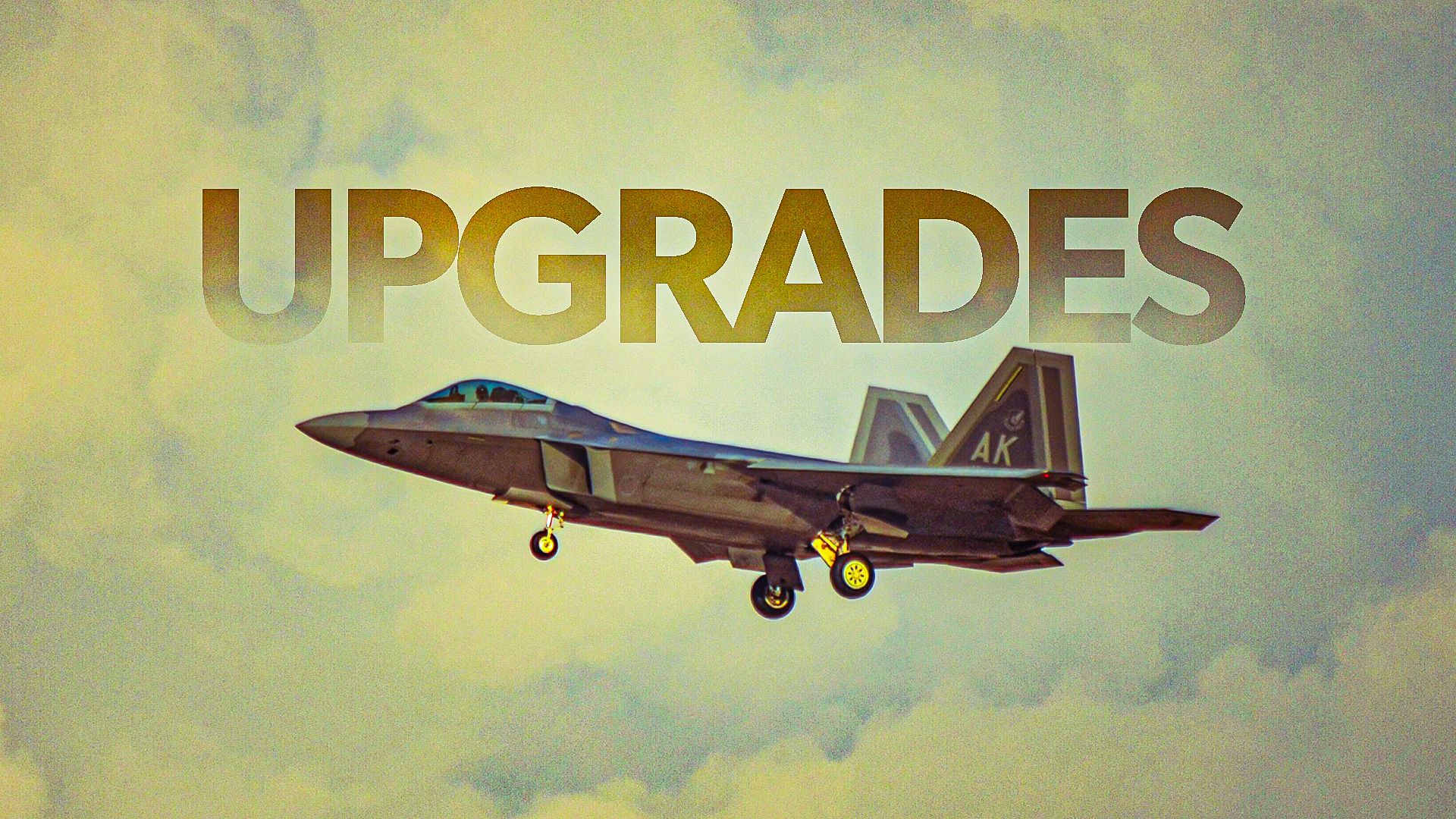
| F-22 Raptor | Stealth air superiority| 2005 | Sensors, software, weapons | Small fleet and high custom upgrade costs |
| F-35 Lightning II | Stealth multirole | 2015 | Software (Block 4), sensors | Software complexity affecting hardware |
| KC-46 Pegasus | Aerial refueling | 2019 | Refueling systems, defenses | Technical integration issues |
| VC-25B (Air Force One) | Presidential transport | New build | Secure communications, survivability | Evolving design requirements and high security |
The ongoing upgrades to the B-52’s radar system exemplify the complexity of modernization. The USAF is replacing the bomber’s traditional radar with a modern active electronically scanned array (AESA) system. This transition is critical for enhancing situational awareness and targeting accuracy, while also reducing maintenance demands. The new radar supports both nuclear and conventional missions, ensuring the B-52 remains relevant for years to come.
Air Force leaders emphasize the importance of modernization as a vital component of national defense strategy. They argue that upgraded aircraft are essential for operating effectively in contested environments where adversaries possess advanced electronic warfare capabilities. Older systems are increasingly vulnerable to threats like jamming and tracking.
The situation becomes more complex with the replacement of Air Force One. Analysts have noted that evolving design requirements, stringent security standards, and production challenges are causing significant delays. The new VC-25B aircraft, which was initially expected to enter service sooner, is now projected to be ready several years later, with costs continuing to escalate.
A compelling argument exists for the necessity of modernization over outright retirement of legacy platforms. While retiring older aircraft may seem straightforward, analysts agree that designing and fielding new military aircraft can take decades. The B-21 Raider stealth bomber is a prime example, having been in development for years and still requiring time to achieve full operational capability.
The Air Force’s modernization efforts are also hindered by the potential strategic risks associated with relying on aging platforms. Although the B-52 is expected to remain operational into the 2050s, its lack of built-in stealth features could limit its effectiveness in high-threat scenarios.
In conclusion, the modernization of the USAF’s aircraft fleet is a multifaceted challenge. The service is striving to balance the demands of updating aging fleets with the constraints of budget and technical complexity. Programs such as the B-52 radar upgrade illustrate the potential of legacy aircraft to remain relevant through appropriate investments. However, ongoing delays in key projects like Air Force One highlight the difficulties faced even by top-priority initiatives. As the USAF navigates these challenges, the focus will likely be on incremental upgrades and careful prioritization in the years to come.