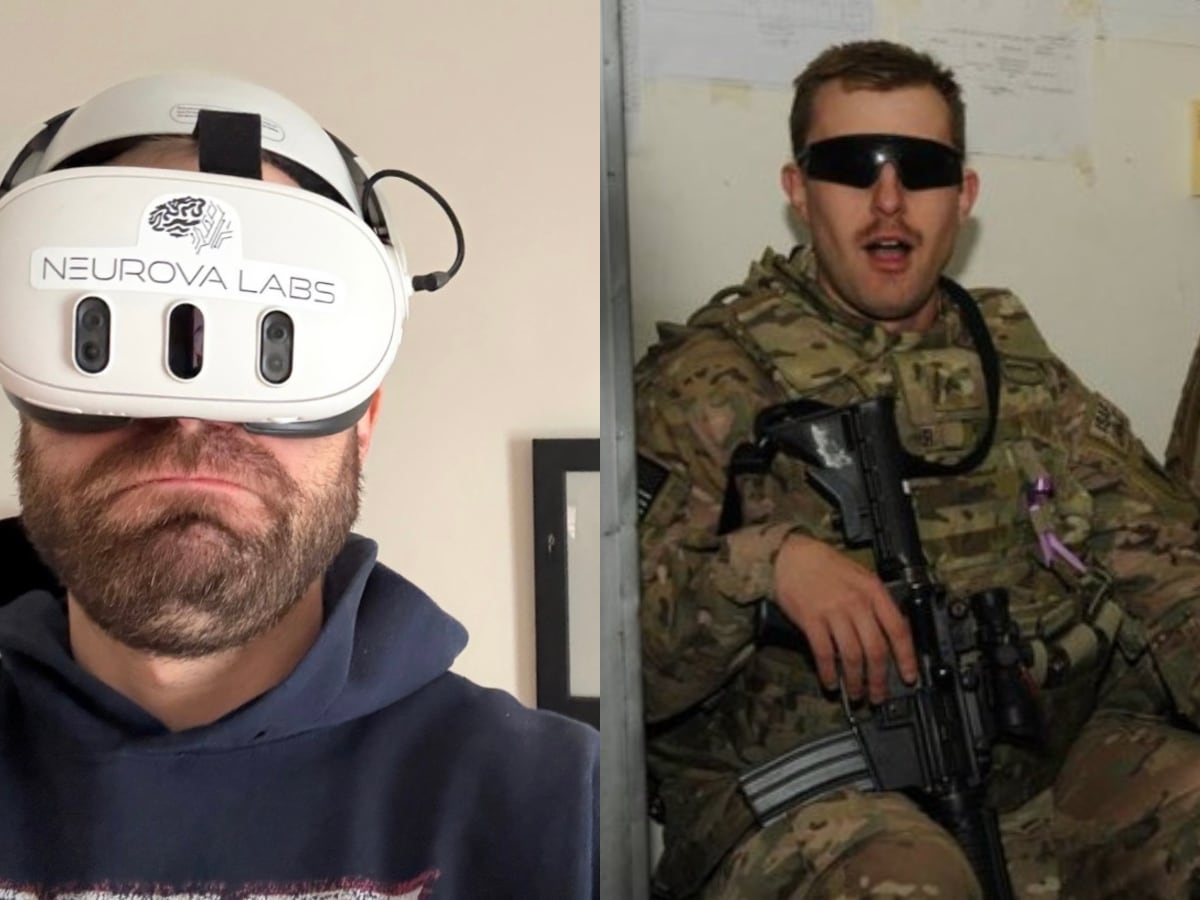
In a notable exploration of innovative treatment, a U.S. veteran has detailed their experience using a virtual reality (VR) therapy program developed by Neurova Labs to address post-traumatic stress disorder (PTSD) and related symptoms. The veteran, who served in Afghanistan during May 2014, suffered a traumatic brain injury and ongoing health challenges after a vehicle-borne improvised explosive device detonated nearby.
The therapy, which launched in 2024, consists of a structured three-week regimen involving immersive VR sessions. The veteran approached the treatment with caution, acknowledging that PTSD and traumatic brain injuries manifest differently for each individual, and that no universal solution exists.
Immersive Therapy Experience
The program requires participants to engage with VR sessions four days a week for two active weeks, with each session lasting between 45 minutes to an hour. Sessions begin with a warm-up that includes a commercially available app focusing on quick interactions using a virtual pistol. Following this, the core part of the therapy focuses on target practice scenarios, divided into five rounds of approximately five minutes each.
The sessions are designed to maintain a steady pace while ensuring participants do not feel overwhelmed. They conclude with a cooldown phase, which employs calming sounds and soft music to help transition users from heightened alertness to a more relaxed state. The veteran reported being skeptical about the efficacy of such technology-driven methods but noted significant improvements in their quality of life.
By the second week of the program, the veteran observed a positive shift in their sleep patterns. Previously waking at around 04:00 or 04:30 each morning, they began sleeping until approximately 08:30. This change not only improved their mood but also enhanced their energy levels throughout the day.
Managing Stress and Enhancing Accessibility
The therapy also positively impacted the veteran’s reaction to stress. As a freelance writer, they often face deadlines and uncertainties that contribute to anxiety. During the therapy period, they noticed a decreased intensity in their fight-or-flight response, allowing for quicker recovery from stressful situations. This ability to regain composure more swiftly is crucial for individuals dealing with PTSD, as it can significantly affect daily functioning.
Another noteworthy aspect of the experience was the ongoing development of the program. The veteran reported multiple software updates during their three-week engagement, indicating a commitment from Neurova Labs to refine and improve the therapy continuously.
Accessibility emerged as a significant advantage of the Neurova Labs approach. Traditional treatment pathways within the Department of Veterans Affairs can often be cumbersome, with long wait times and complex administrative hurdles deterring many veterans from seeking care. The VR therapy can be conducted at home, allowing veterans to engage with treatment at their convenience and in a controlled environment.
Some users adopt a flexible approach to the program, using it situationally around known stressors rather than adhering to a strict schedule. This adaptability may cater to the diverse needs of veterans managing work and family responsibilities alongside their ongoing care.
It is essential to clarify that this VR therapy is not a comprehensive solution for all individuals dealing with PTSD. Neurova Labs does not position it as a replacement for counseling or other evidence-based treatments. Instead, it serves as an entry point, encouraging users to seek further support.
Over the three weeks, the veteran experienced improvements in their sleep, mood, and social interactions, ultimately fostering a sense of hope that had been absent for some time.
As Neurova Labs continues to develop its product and expand its availability, the potential to engage veterans in meaningful treatment stands out as a critical contribution. By meeting veterans where they are, rather than forcing them into systems they may distrust, this innovative therapy could help many individuals maintain their path to recovery.