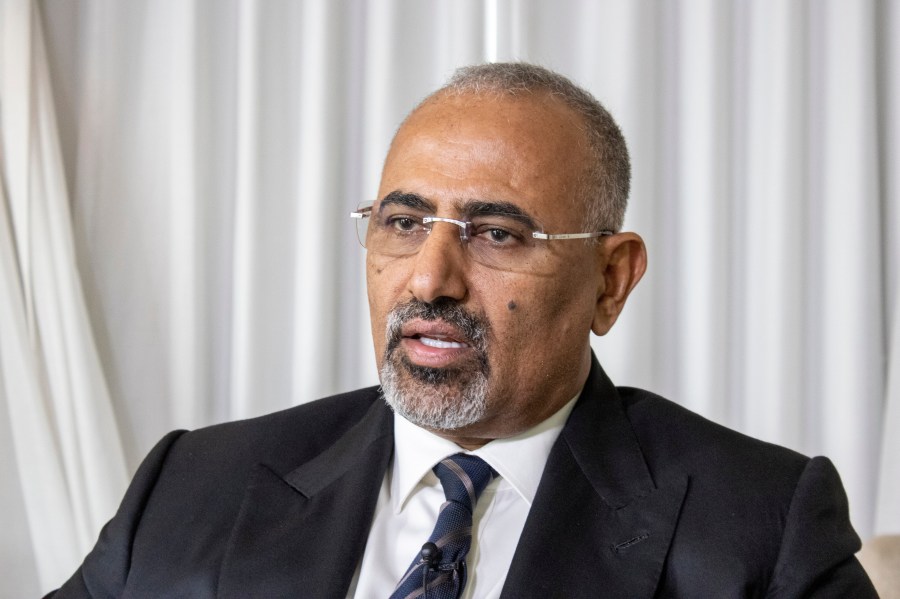
A council opposing Yemen’s Houthi rebels announced on Wednesday the expulsion of a prominent separatist leader, accusing him of treason. This decision follows his refusal to attend talks in Saudi Arabia aimed at addressing the ongoing conflict in Yemen. The statement was reported by the SABA news agency, which is affiliated with anti-Houthi forces.
The council’s action signifies a significant shift in Yemen’s political landscape. The expelled leader, whose name has not been disclosed, has been a key figure in the separatist movement. His absence from the proposed Saudi talks, which are crucial for mediating peace in the region, prompted the council to take decisive action.
Escalation of Tensions
The expulsion and charges of treason are part of an ongoing struggle among various factions within Yemen as they contend with the Houthi rebels, who have controlled significant parts of the country since 2014. The council’s statement emphasized that the refusal to participate in dialogue undermines efforts to unify against the Houthi threat.
In recent years, Saudi Arabia has attempted to facilitate discussions among Yemeni groups to restore stability. The current conflict in Yemen has led to a humanitarian crisis, with millions in need of assistance. The council’s latest move is seen as an attempt to consolidate power and eliminate dissent within its ranks.
The situation remains fluid as the council prepares for potential repercussions following this expulsion. The separatist leader has not publicly responded to the allegations or the council’s decision. Observers are closely monitoring the developments, as infighting among opposition factions could further complicate peace efforts.
International Implications
The expulsion of the separatist leader raises questions about the future of Yemen’s political landscape and the role of international mediators like Saudi Arabia. Analysts suggest that a fractured opposition could weaken the anti-Houthi coalition, making it more challenging to negotiate a comprehensive peace agreement.
The conflict has drawn in various regional powers, with Saudi Arabia leading a coalition against the Houthis, while Iran is believed to back the rebel group. As the council’s actions unfold, the international community is likely to react, particularly given the ongoing humanitarian crisis and regional stability concerns.
The council’s recent decisions underscore the complexities of Yemen’s civil war and highlight the difficulties in achieving lasting peace. With accusations of treason and a fractured coalition, the path forward remains uncertain as Yemen continues to grapple with its internal divisions and external pressures.