Madison Pflugbeil, a third-year student at the University of Maine, is reshaping perceptions about wasps as she pursues a career in entomology. After overcoming her fear of insects, Pflugbeil highlights the valuable roles these often-maligned creatures play in our ecosystem, especially during the summer months.
Understanding Wasps and Their Role in Nature
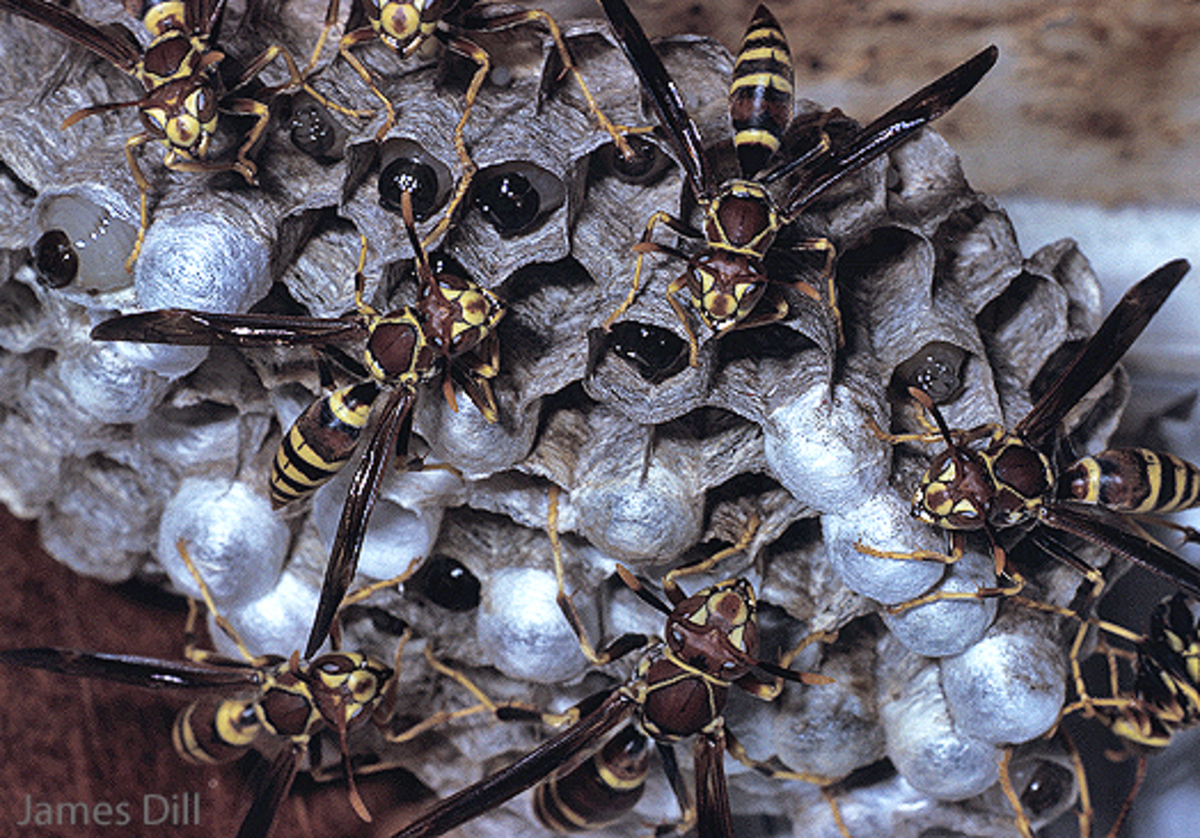
As summer unfolds, many people enjoy outdoor activities like picnics and beach trips. Yet, the presence of wasps often disrupts these experiences. While they are commonly viewed as nuisances, wasps possess qualities that make them surprisingly beneficial. Of the hundreds of thousands of wasp species, only a small fraction are aggressive and prone to stinging.
Many wasps are solitary and less likely to harm humans if they do not feel threatened. Stinging behaviors are primarily a defense mechanism for those that live in colonies, aimed at protecting their hive’s queen and young. Unlike bees, which have barbed stingers that result in their death after a sting, wasps have smooth stingers and can sting multiple times without fatal consequences.
Wasps significantly contribute to the ecosystem by controlling pest populations. Solitary wasps, known as parasitoids, lay their eggs on or in other insects, such as aphids and cabbage caterpillars. This behavior not only helps regulate these pest populations but also benefits agriculture by reducing the need for chemical pesticides.
In addition to pest control, wasps serve as important pollinators. They move from flower to flower, inadvertently aiding in the pollination process. Certain species, like fig wasps, are crucial for the reproduction of specific plants, while others, such as orchids, have evolved to attract wasps through mimicry of their pheromones.
Potential Medical Applications of Wasp Venom
Wasp venom is gaining attention in the medical field for its potential therapeutic properties. Each species produces a unique venom cocktail, which may have applications beyond causing pain. Research indicates that wasp venom could alleviate swelling associated with conditions like arthritis. As scientists search for new treatments for drug-resistant diseases, the compounds found in wasp venom are being explored for their ability to combat autoimmune diseases and certain types of cancer.
The fascinating diversity of wasps extends beyond their ecological significance. Wasps come in a myriad of shapes and colors, from the iridescent hues of cuckoo wasps to the tiny fairy wasps, which are the smallest known flying insects. Even velvet ants, which resemble small pandas, are actually wasps, showcasing the incredible variety within this group.
While it is essential to remain cautious of wasps, especially during outdoor activities, it is equally important to recognize their vital role in our environment. Rather than viewing them solely as pests, understanding their contributions can foster a greater appreciation for these complex insects. As Pflugbeil suggests, perhaps it is time to re-evaluate our stance on wasps and acknowledge the valuable roles they play in maintaining ecological balance.