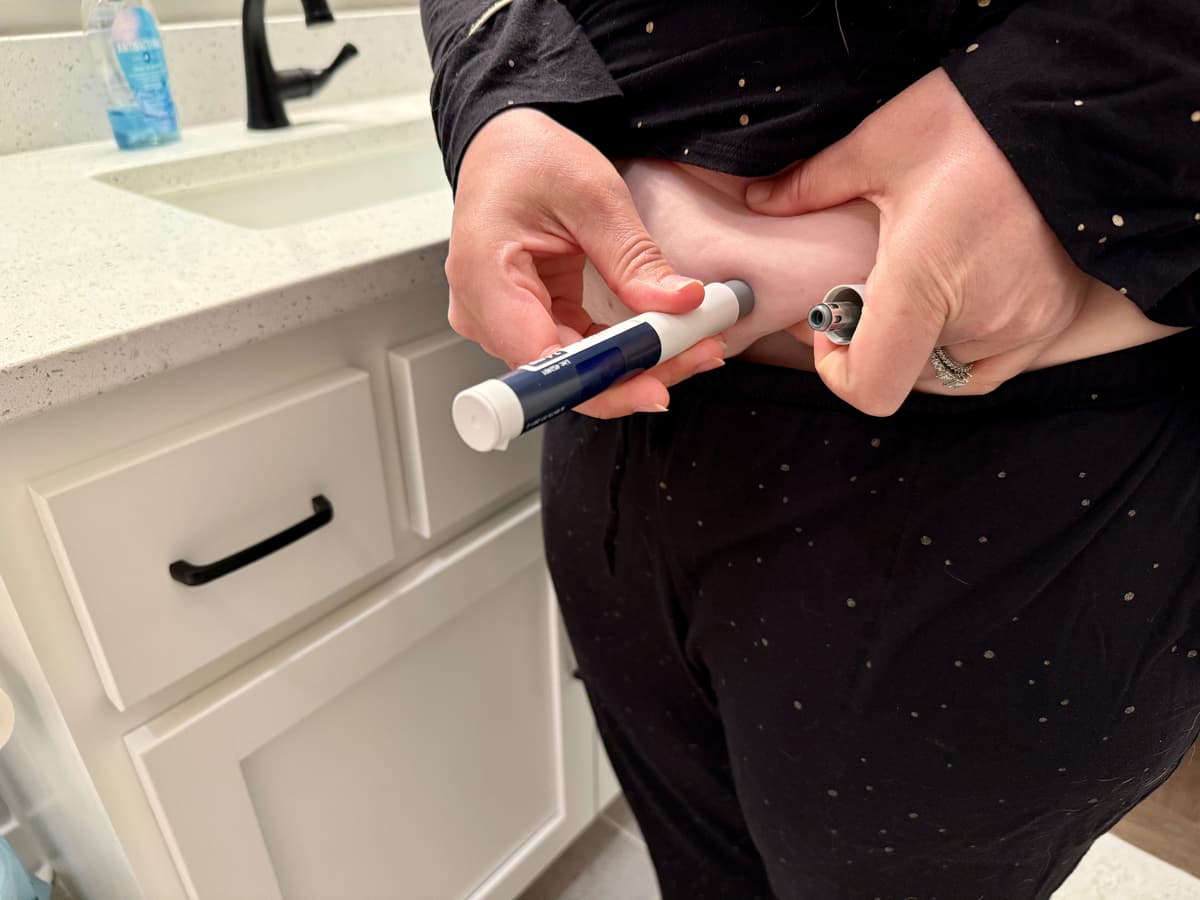
The rise of GLP-1 weight loss drugs is significantly influencing consumer behavior in the restaurant industry. Many users of these medications, which have gained popularity for their effectiveness in promoting weight loss, are choosing to dine out rather than prepare meals at home. This shift is prompting restaurants to adapt their menus to meet the needs of these customers, who may prefer lighter, lower-calorie options.
Research indicates that sales at eateries have surged as GLP-1 users seek convenient dining solutions. According to a report from the food industry analytics firm *NPD Group*, traffic to restaurants increased by approximately 10% in the past year, correlating with the growing popularity of these weight loss drugs. The trend is particularly evident in urban areas, where access to diverse dining options is more readily available.
Menu Changes Reflect Consumer Demand
Many restaurants are responding to this trend by adjusting their offerings. Chefs are incorporating healthier ingredients and smaller portion sizes to cater to customers using GLP-1 medications. For instance, popular chains have begun introducing lower-calorie appetizers and entrees that appeal to those looking to maintain their weight loss journey while enjoying dining out.
Nutrition experts emphasize the importance of these menu adaptations. As consumers become more health-conscious, restaurants that fail to provide suitable options may risk losing clientele. Dr. Lisa Young, a nutritionist and author of “Finally Full, Finally Slim,” notes that “the landscape of dining is changing. Restaurants that adapt to these emerging consumer preferences can thrive in this new environment.”
Economic Impact of GLP-1 Medications
The economic implications of this trend extend beyond individual restaurants. The weight loss drug market has seen a substantial increase in revenue, with sales projected to reach $100 billion by 2030, according to a report by *Zachary Research*. This growth is not only benefiting pharmaceutical companies but also creating a ripple effect in various sectors, including food and beverage.
As more consumers embrace GLP-1 medications, the relationship between health and dining is becoming increasingly intertwined. Restaurants are not just places to eat; they are evolving into spaces that promote health-conscious choices. This transformation represents a significant opportunity for businesses to innovate and capture a growing market segment.
In conclusion, the rise of GLP-1 weight loss drugs is reshaping the restaurant industry in profound ways. As dining preferences shift, restaurants that adapt to these changes can better serve their customers while capitalizing on a lucrative market trend. The ongoing evolution of consumer behavior in this area will likely continue to influence menus and restaurant strategies in the foreseeable future.