President Donald Trump has declared a significant financial measure, imposing a 25% tariff on countries that engage in business dealings with Iran. This announcement, made on January 13, 2024, via his social media platform, is part of a broader effort to exert pressure on the Iranian regime amid ongoing civil unrest and allegations of human rights abuses.
In his statement, Trump characterized the tariff as “final and conclusive,” although legal experts have raised questions regarding its enforceability. Notably, Trump did not clarify what he meant by “doing business,” leaving ambiguity around the specifics of the measure. Throughout his presidency, Trump has employed tariffs as both a negotiating tool and a punitive measure. However, the legality of such tariffs has faced scrutiny, especially as Congress maintains constitutional control over taxation while delegating certain trade powers to the executive branch.
Context of the Tariff Announcement
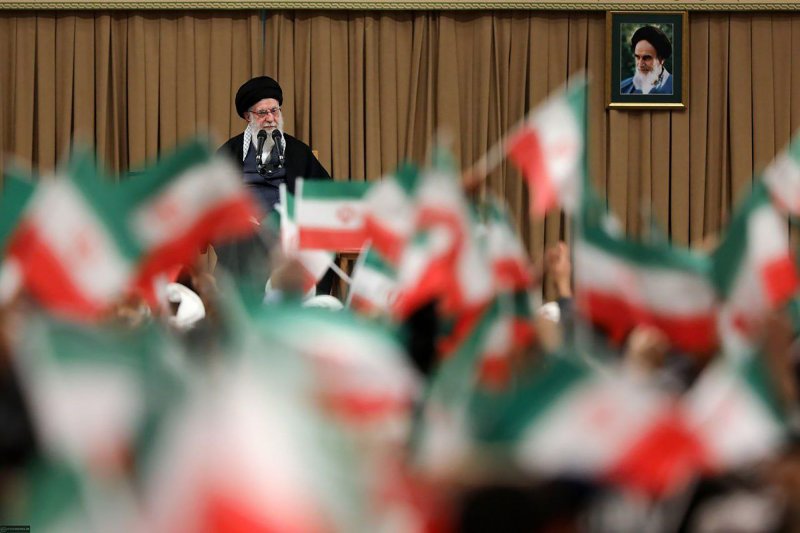
The timing of this tariff aligns with escalating tensions between the United States and Iran. The Iranian government, led by Supreme Leader Ayatollah Ali Khamenei, has recently faced widespread protests in response to a deepening economic crisis. Reports from the Human Rights Activists News Agency indicate that at least 646 individuals have lost their lives, with over 10,700 arrests made during these demonstrations. Human rights organizations express concern that the actual death toll could be significantly higher, as communications have been severely restricted.
Trump’s administration appears to be weighing military options as tensions rise. Speaking to reporters aboard Air Force One, Trump indicated that Iranian officials had reached out to initiate talks, but he also suggested that Iran was “starting to” cross a line that could provoke a military response. He stated, “We’re looking at it very seriously. The military’s looking at it. And we’re looking at some very strong options,” indicating that a decision is forthcoming.
Implications for International Relations
The imposition of tariffs on nations engaging with Iran signals a shift in U.S. foreign policy, particularly in relation to trade and diplomatic relations in the Middle East. The complexities surrounding such tariffs highlight the ongoing debate about the balance of power between the legislative and executive branches of the U.S. government in matters of trade and foreign policy.
As the situation develops, observers will be closely monitoring the impact of these tariffs on international relations, as well as the potential for further military actions. The Iranian regime’s response to both the tariffs and the domestic unrest will also be crucial in determining the trajectory of U.S.-Iran relations moving forward. With increasing global scrutiny on human rights practices and the geopolitical dynamics in the region, the implications of Trump’s announcement extend beyond economic measures, influencing diplomatic ties and regional stability.