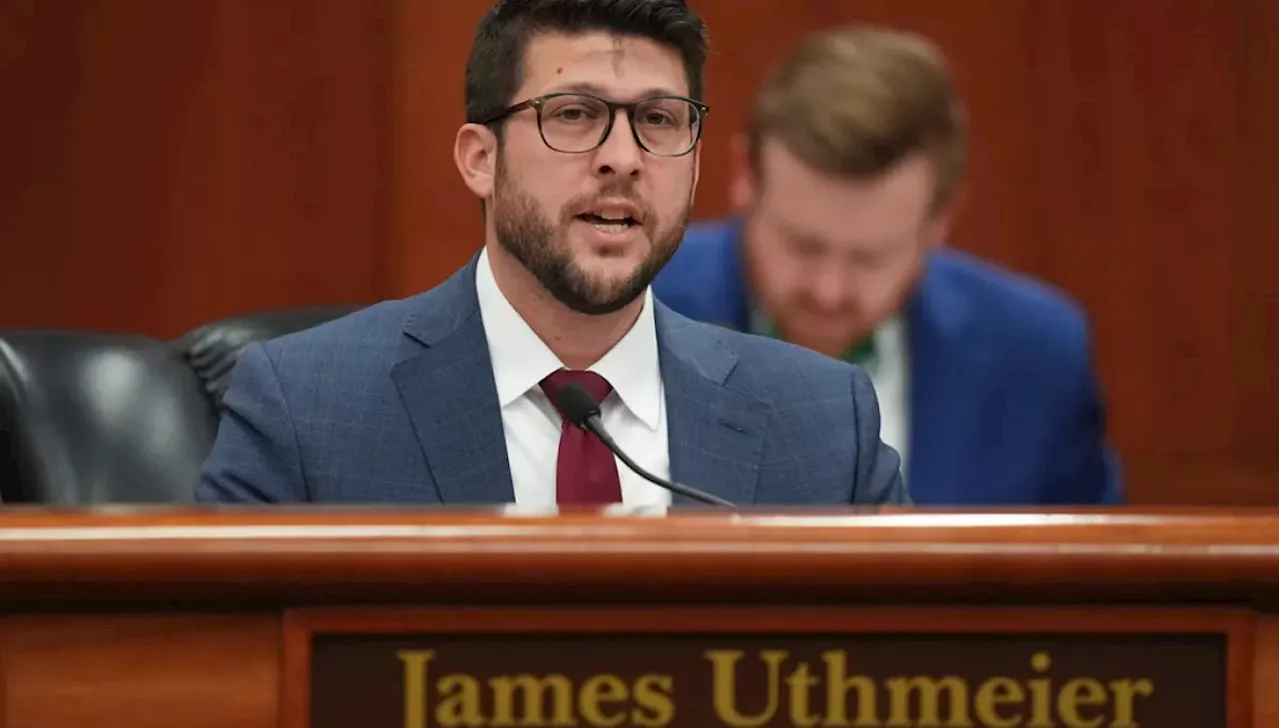
James Uthmeier, Florida’s Attorney General, has announced plans to contact the Florida Board of Nursing to seek the revocation of an anesthesiologist’s medical license. This decision follows the doctor’s controversial claim that he would refuse treatment to individuals who identify as “MAGA” Republicans. Uthmeier, who made the announcement on Monday, emphasized the need for accountability among medical professionals regarding their ethical obligations.
The anesthesiologist in question has publicly stated, “It is my right, it is my ethical oath, and I stand behind my education. I own all of my businesses and I can refuse anyone!” He graduated from the University of Miami, which adds to the scrutiny surrounding his remarks. The situation echoes a recent incident involving a nurse who faced similar backlash for her politically charged comments.
In a separate case, a labor-and-delivery nurse named Lexie Lawler was terminated from her position at Baptist Health South Florida after she made disparaging remarks about a patient’s potential injury during childbirth. Lawler’s comments, which she expressed on social media, drew significant public outrage, leading Uthmeier to call for the revocation of her medical license as well.
Uthmeier’s actions reflect a growing trend of political polarization within the healthcare sector. The incidents involving both the anesthesiologist and Lawler highlight the complex interplay between personal beliefs and professional responsibilities. In the current climate, healthcare workers are increasingly finding themselves at the intersection of medical ethics and political opinion.
As of now, the anesthesiologist has not created a crowdfunding page to support his situation, distinguishing him from Lawler, who has actively sought public support following her dismissal. This dynamic illustrates the varying responses individuals in the medical field have to the repercussions of their statements.
The Attorney General’s initiative to involve the nursing board underscores the seriousness of these matters, as both cases raise questions about the responsibilities of healthcare professionals to provide equitable care. Uthmeier’s statements indicate a commitment to ensuring that personal ideologies do not interfere with patients’ rights to receive medical attention, regardless of their political affiliations.
The broader implications of these controversies extend beyond individual cases, prompting discussions about the ethical standards that govern healthcare professionals. As social media continues to play a pivotal role in shaping public discourse, the consequences of political statements made by healthcare workers are likely to remain a topic of debate.
In summary, Uthmeier’s efforts to pursue license revocations signal a significant moment in the ongoing dialogue about politics in healthcare. As the situation develops, it may set precedents for how similar cases are handled in the future, particularly in a politically charged environment.