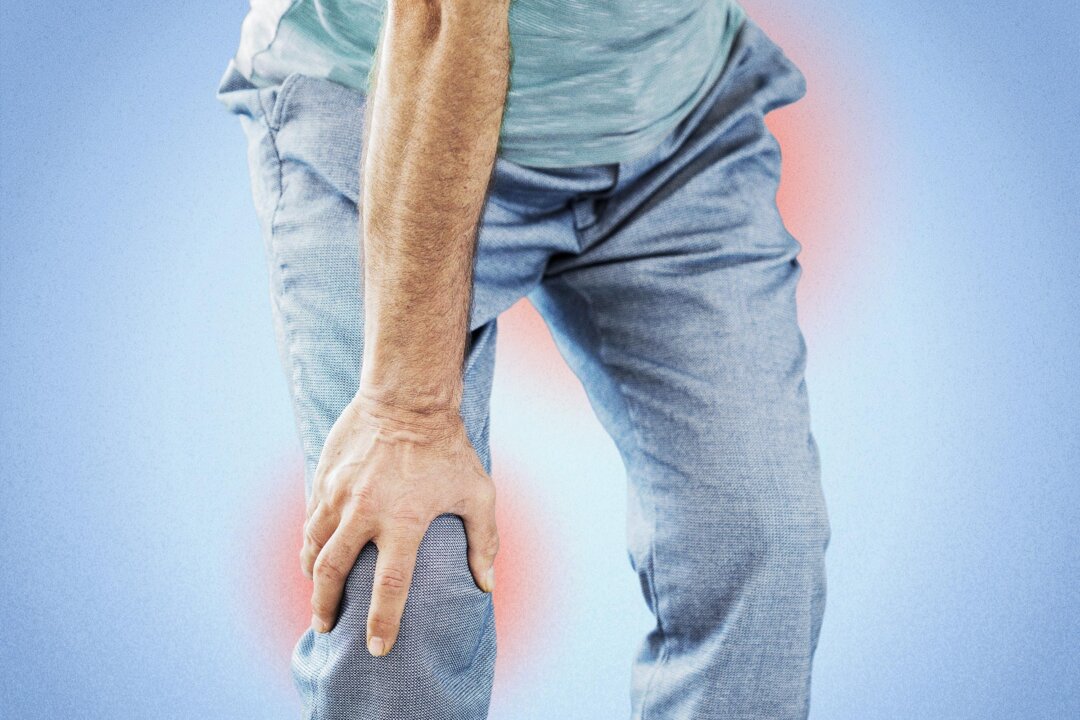
A significant number of people experiencing knee pain may be overlooking a crucial factor: their hip. According to a recent national survey conducted by The Ohio State University Wexner Medical Center, approximately 72 percent of respondents were unaware that knee discomfort could originate from hip issues. This insight highlights a common misconception that could alter the approach to treating joint pain.
In the survey of over 1,000 adults across the United States, many were surprised to learn about the interconnected nature of joint pain. For instance, 69 percent did not realize that hip problems could also lead to groin pain, while 66 percent were unaware of the potential for hip-related thigh pain. This lack of awareness can lead to ineffective treatment plans, as individuals may focus solely on the knee or back without addressing the underlying hip issue.
Physical therapist Smita Rao frequently encounters patients who arrive with referrals for knee or back pain, only to discover that the real source of their discomfort is related to the hip. “Many patients are surprised when we identify the hip as the underlying problem,” Rao explains. “They often come in with a specific complaint about their knee, but their hip is the root cause.”
The survey’s findings suggest a need for greater education on the relationship between these joints. Many individuals tend to overlook hip health when addressing pain in other areas, potentially leading to prolonged discomfort and ineffective treatments. Recognizing the hip’s role could significantly impact treatment outcomes and improve patients’ quality of life.
For those dealing with persistent knee pain, it may be beneficial to consider a comprehensive evaluation that includes the hip. Engaging in targeted exercises and therapies aimed at strengthening the hips may alleviate knee discomfort. This approach not only addresses the symptoms but also aims to resolve the underlying issues contributing to the pain.
As awareness grows about the connections between joint health, healthcare providers may need to emphasize the importance of a holistic approach to musculoskeletal problems. By doing so, they can help patients better understand their pain and guide them toward more effective treatment options.