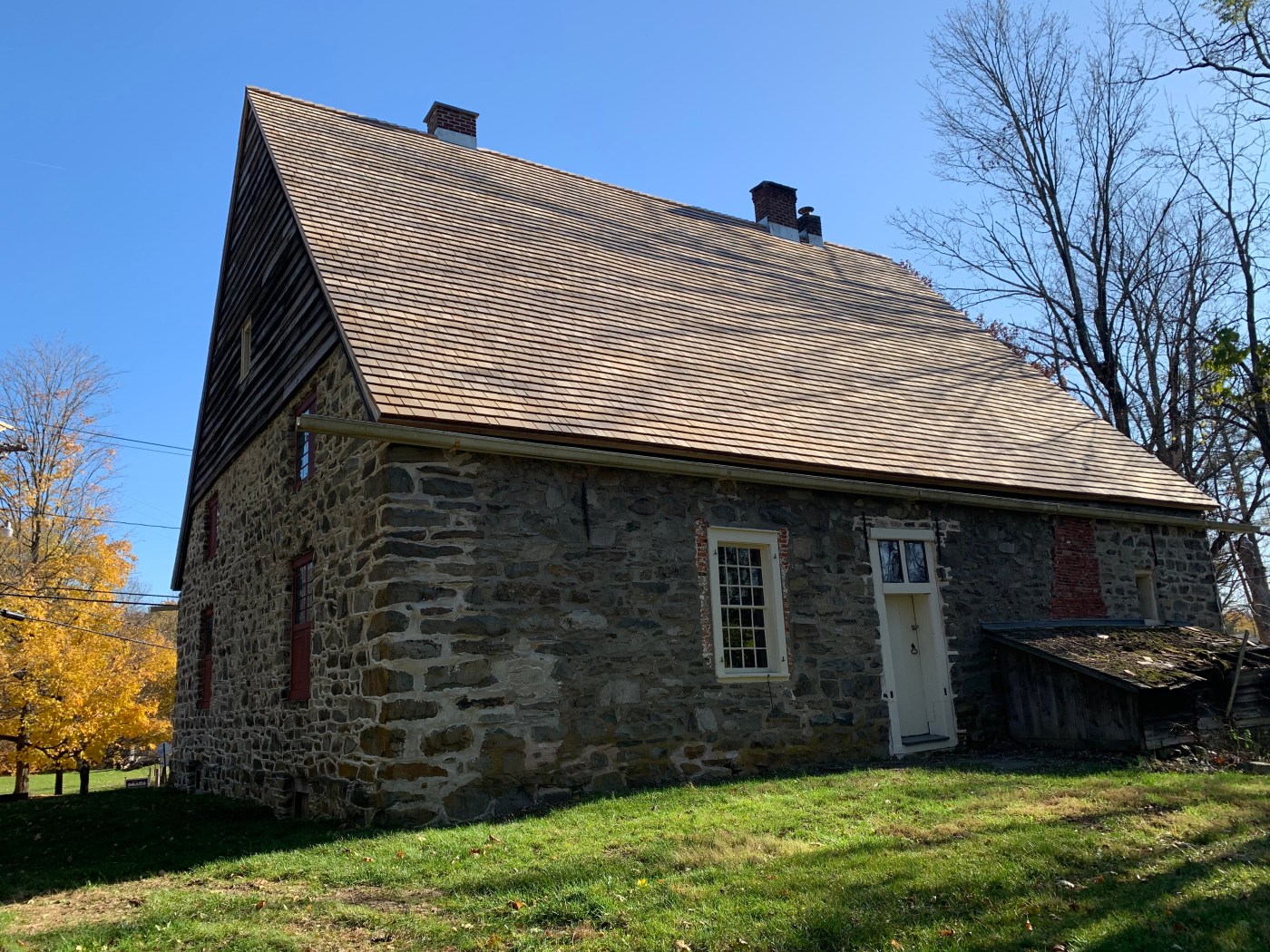
Four new witness stones will be dedicated at Historic Huguenot Street in New Paltz, New York, on June 19, 2024, in observance of Juneteenth. The stones will commemorate the lives of four individuals—James, Molly, Gerritt, and Hendrick—who were enslaved by the Hasbrouck family, one of the original French Protestant Huguenot families that established the settlement in 1677.
The event, organized in collaboration with the Margaret Wade Lewis Center for Black History and Culture and the Witness Stones Project, aims to acknowledge and restore the historical narratives of enslaved African individuals. Ulster County Historian Eddie Moran highlighted the importance of recognizing the significant impact of slavery on the community’s history.
Historical Context and Commemoration
The new stones will increase the total number of witness stones at the site to eight. Each stone serves as a reminder of the human stories behind the statistics of slavery in the region. According to Moran, the stones for James, Molly, Gerritt, and Hendrick were made possible through extensive research, including examination of a 1703 census that indicated the presence of nine enslaved Africans in New Paltz shortly after the arrival of Betty, the first recorded enslaved African woman in the area.
Moran explained that the first documented reference to these individuals occurred on August 26, 1712, when Jean Hasbrouck bequeathed two enslaved men, Gerritt and James, to his son, Jacob Hasbrouck, along with an enslaved woman, Molly, to Jacob’s sister, Elizabeth. This historical record reflects the dehumanizing practices of the time, including stipulations that would separate mothers from their children.
“It’s one of the most horrifying examples of dehumanization and family separation we see in Ulster County,” said Moran.
The narrative surrounding these individuals sheds light on the broader context of slavery and Indigenous relations during the early colonial period. In 1714, a rumor regarding a planned attack on the Esopus native people was relayed by Gerritt, showcasing his agency despite the oppressive circumstances of his enslavement. Moran noted that Gerritt’s actions prompted negotiations between European settlers and the Esopus leaders, emphasizing the complexities of human relationships even within the confines of slavery.
Looking Ahead and Community Impact
The dedication ceremony will take place during the Margaret Wade Lewis Center’s Juneteenth Jubilee event, which celebrates the emancipation of enslaved individuals in the United States. Juneteenth, recognized as a national holiday since 2021, commemorates the liberation of more than 50,000 enslaved people in Texas on June 19, 1865. Although the Emancipation Proclamation had freed enslaved individuals in other areas in 1863, many in Confederate states remained enslaved until the end of the Civil War.
Moran anticipates giving a talk later in the spring, further exploring the lives of James, Molly, Gerritt, and Hendrick. He emphasized the challenge of representing the thousands of enslaved Africans in New Paltz, as resources are limited for recognizing each individual. The witness stones initiative aims to honor the earliest enslaved individuals from the original Huguenot families, providing a step towards acknowledging the community’s complex history.
As the program expands, the new stones will stand alongside those honoring Jack and Betty, the first recorded enslaved African residents of New Paltz, as well as Anthony and Susanna, who were also enslaved by local patentees. This growing collection of witness stones serves not only as a form of remembrance but also as a call to reflect on the enduring impacts of slavery within the community.