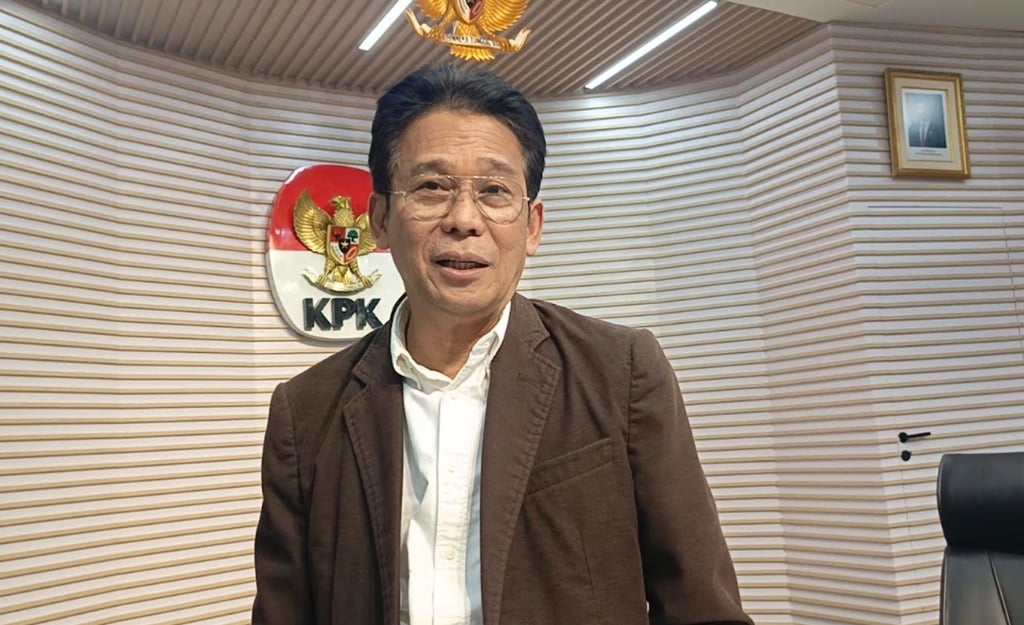
Indonesian President Joko Widodo, commonly known as Jokowi, has expressed support for reverting the Komisi Pemberantasan Korupsi (KPK) Law to its previous version. This statement has prompted a strong response from Johanis Tanak, the Deputy Chairman of the KPK, who argued that laws are not items that can simply be borrowed and returned at will.
Johanis Tanak Addresses Jokowi’s Comments
In remarks made on February 15, 2026, Tanak emphasized that laws should not be seen as temporary solutions. He stated, “What is there to return? A law is not something that can be borrowed and returned after use.” Tanak’s comments came in light of Jokowi’s recent endorsement of the idea to revert the KPK Law, which has been a topic of significant debate in Indonesia.
Tanak clarified that the KPK’s current focus remains on preventing and combating corruption under the existing legal framework, rather than engaging in legislative changes. “Currently, the KPK operates based on both the old and new KPK laws. The new KPK law clarifies the legal status of KPK employees as state civil servants,” he noted.
Implications for KPK’s Independence
Tanak further elaborated on the implications of having the KPK placed within the judicial framework. He indicated that if the intention is for the KPK to operate independently, then any amendments to the KPK Law should ensure that the organization is recognized within the judicial branch, alongside the Supreme Court. “If we want the KPK to work independently without interference from other institutions, the changes to the KPK Law should be focused on establishing the KPK within the judiciary,” he explained.
The discussions surrounding the KPK Law are critical as they reflect ongoing efforts to enhance the effectiveness and independence of Indonesia’s anti-corruption agency. The KPK has been instrumental in addressing corruption in the country, making the legal framework governing it a matter of national importance.
As the conversation continues, the relationship between the KPK and legislative bodies remains a focal point for those advocating for stronger anti-corruption measures in Indonesia. Tanak’s firm stance highlights the complexities involved in legal reform and the need for careful consideration of how such changes could impact the fight against corruption.