
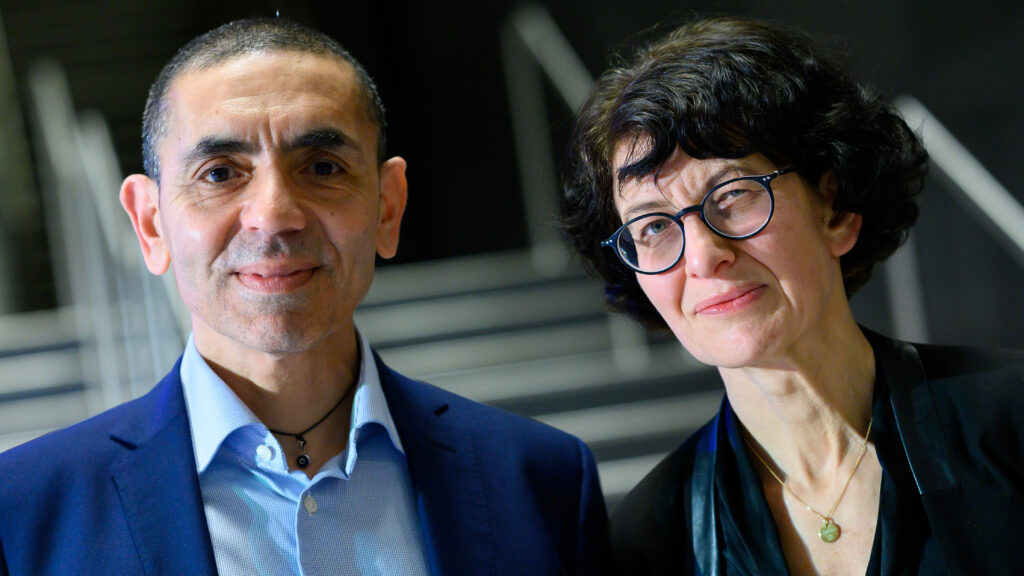
The co-founders of BioNTech, the company renowned for its development of the Covid-19 vaccine, are set to leave their positions to establish a new venture focused on mRNA technology. Ugur Sahin and Özlem Türeci, who are both married and deeply involved in the biotech industry, will transition to their new, yet unnamed company by the end of the year. This initiative aims to research and develop next-generation mRNA medicines.
BioNTech announced this significant change on Tuesday, confirming that it will grant certain rights to its existing mRNA technology to the new enterprise. In return, BioNTech plans to acquire a minority stake in the new company, ensuring a continued connection to the innovative field of mRNA therapeutics.
Future Focus on mRNA Medicines
The move reflects a strategic shift for both Sahin and Türeci, who have been at the forefront of mRNA technology since its inception. Their decision to create a new company demonstrates their commitment to advancing the applications of mRNA beyond the Covid-19 vaccine, which has been pivotal in combating the pandemic.
With the global health landscape evolving, Sahin and Türeci’s focus will include not only vaccines but also potential treatments for various diseases through mRNA technology. Their rich experience and groundbreaking work at BioNTech have positioned them as leaders in this field, and their new venture is anticipated to contribute significantly to medical advancements.
BioNTech, which has played a crucial role in developing the first widely distributed Covid-19 vaccine in partnership with Pfizer, will continue to innovate within the biotech space. The decision to support the new initiative underscores the company’s commitment to fostering innovation in mRNA research and therapeutics.
The transition comes at a time when the biotechnology industry is increasingly focused on mRNA technology, which has shown great promise not only in vaccine development but also in treating a range of other medical conditions. As Sahin and Türeci embark on this new journey, the broader implications of their work could redefine approaches to healthcare on a global scale.


