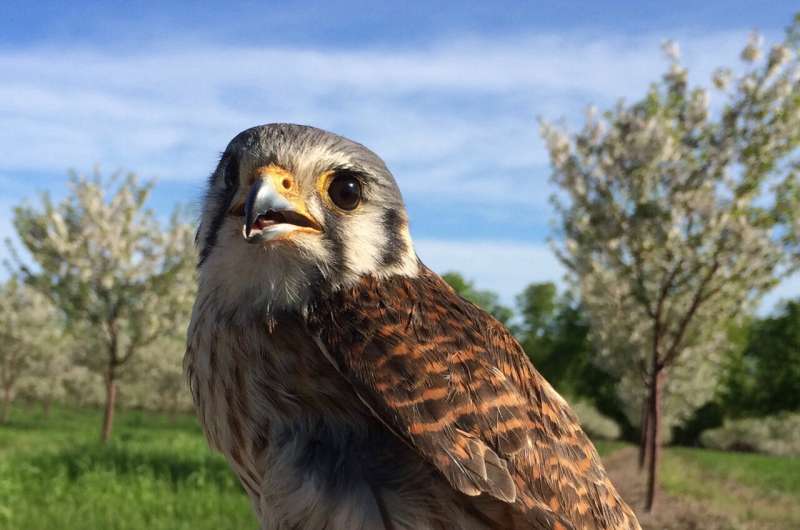
Recent data reveal a troubling trend in Norway’s agricultural landscapes, where bird populations have drastically decreased. A report indicates that since 1980, populations of bird species associated with these areas have plummeted by nearly 60%. This decline mirrors a broader pattern observed across Europe, where similar bird species have faced significant reductions over the past several decades.
Impact of Agricultural Practices
The decline in bird populations is linked to various factors, primarily the intensification of agricultural practices. These practices often involve increased pesticide use, habitat destruction, and the shift towards monoculture farming, which deprives birds of essential food sources and nesting sites. According to a study conducted by the European Commission, the loss of biodiversity in agricultural settings has reached alarming levels, prompting calls for urgent intervention.
In Norway, these figures have raised concerns among environmentalists and scientists alike. The Norwegian Biodiversity Information Centre has noted that the country’s unique ecosystems are at risk if these trends continue. The loss of bird species not only affects the ecological balance but also impacts agricultural productivity, as birds play a crucial role in pest control and pollination.
Efforts to Address the Crisis
In response to the declining bird populations, various initiatives are being undertaken. The Norwegian government is exploring policies aimed at promoting sustainable farming practices. These include incentives for farmers who adopt environmentally friendly methods and habitat restoration projects designed to create safe spaces for birds.
Moreover, organizations such as BirdLife Norway are actively working to raise awareness about the issue. They emphasize the importance of preserving agricultural biodiversity and the role it plays in maintaining healthy ecosystems. Collaborative efforts between farmers, conservationists, and policymakers are seen as essential to reversing the trend.
The situation in Norway reflects a critical moment in the broader context of environmental conservation. As the nation grapples with the implications of vanishing bird populations, the call for a shift towards sustainable agriculture becomes increasingly urgent. The ongoing decline serves as a stark reminder of the interconnectedness of wildlife and human activity, urging a reevaluation of current agricultural practices to protect both nature and food security.
As Norway moves forward, the hope is that these combined efforts will foster a more balanced relationship between agriculture and wildlife, benefiting both the environment and future generations. The challenge remains significant, but with concerted action, there is potential for positive change.